Making a Competitive Offer
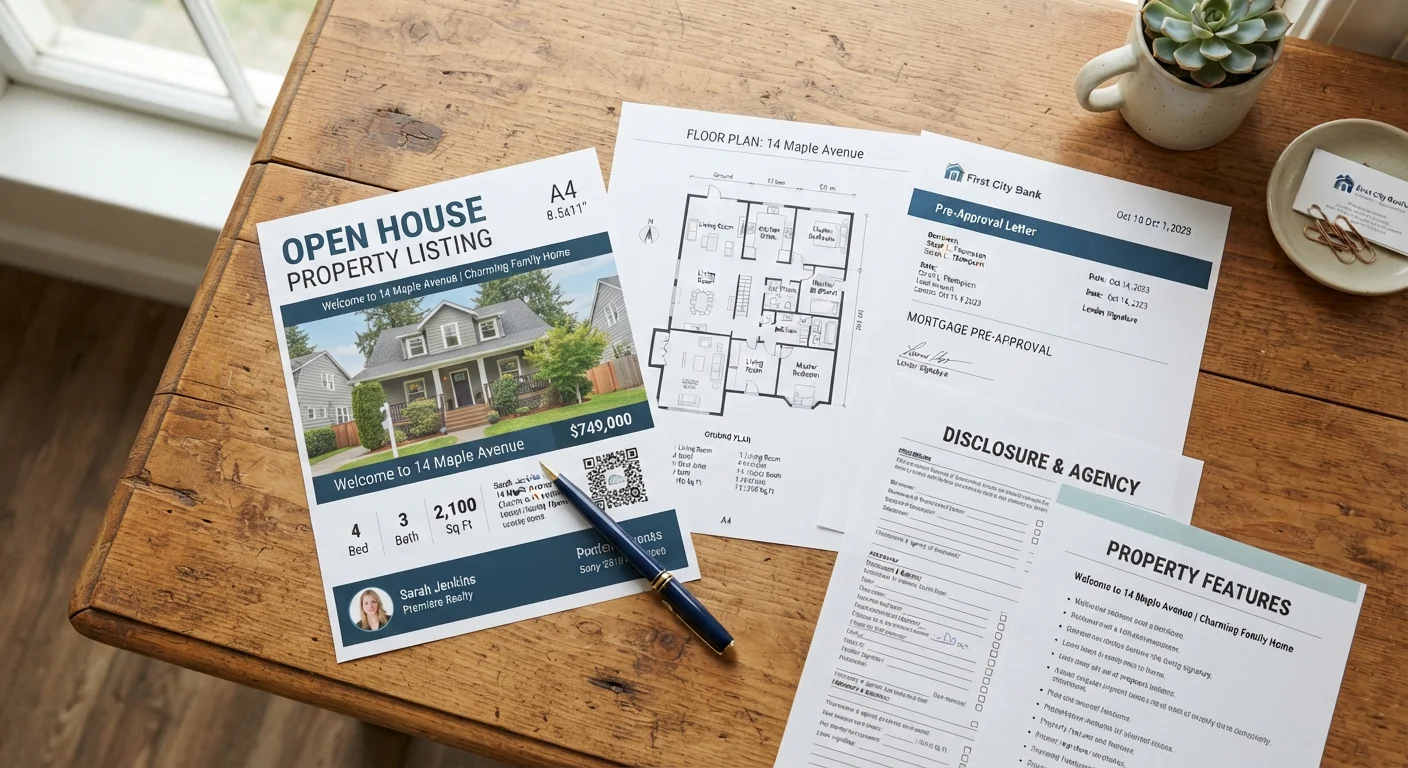
Once you've found a home you want to purchase, the next step is submitting a written offer - formally called a purchase and sale agreement. This document goes well beyond stating a price. It specifies your proposed closing date, the amount of earnest money (a good-faith deposit, typically 1%-3% of the purchase price held in escrow), and any contingencies - conditions that must be met for the sale to proceed.
Common contingencies include financing (your mortgage must be approved), inspection (a professional inspector must find the property acceptable), and appraisal (the home's appraised value must meet or exceed the agreed price). If you're new to these concepts, our home buying glossary covers key terms in plain language.
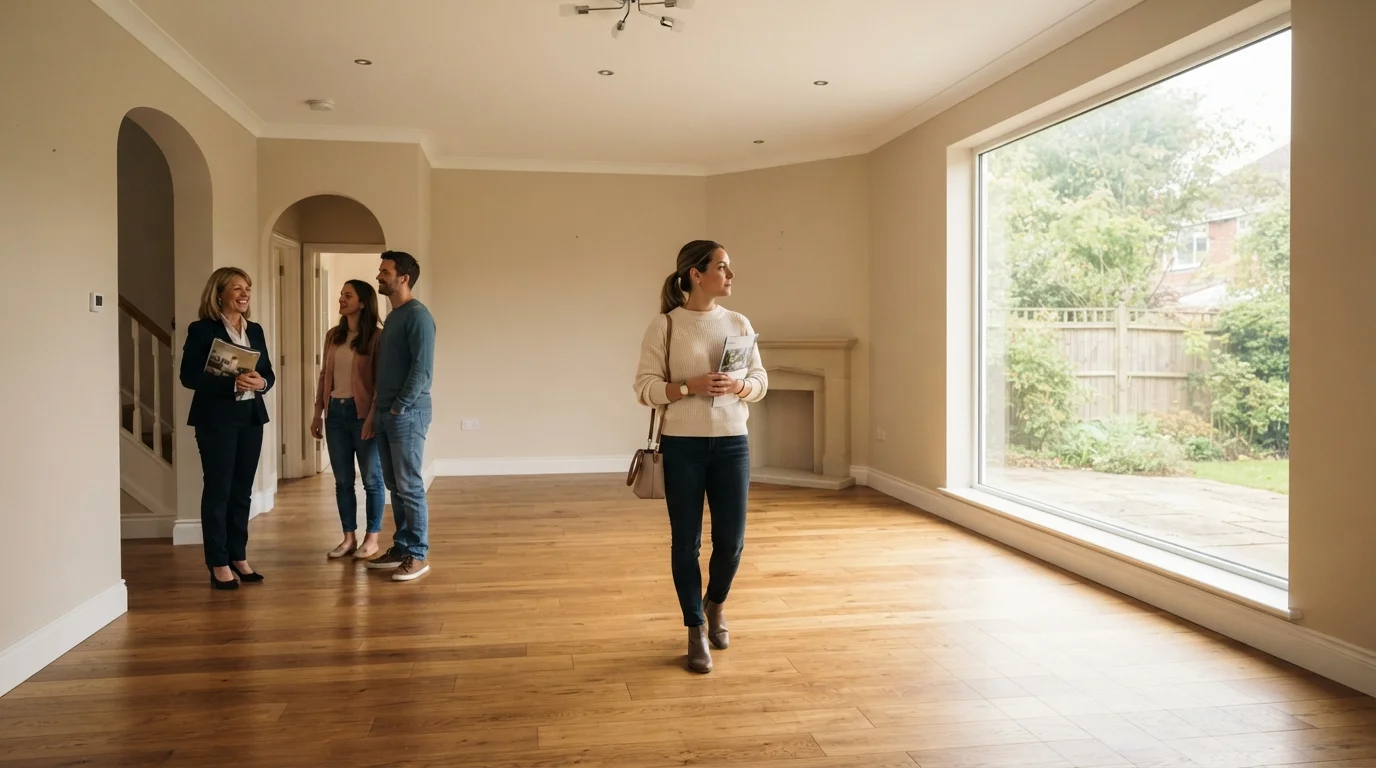
Before drafting an offer, review comparable recent sales in the neighborhood - your agent can prepare a comparative market analysis (CMA) - and complete a thorough in-person evaluation. Our home walkthrough checklist helps you spot condition issues that could affect your offer price.
When crafting your offer, consider requesting a short closing timeline if you're already pre-approved and the seller is motivated - sellers often value speed and certainty as much as price.
A faster close reduces a seller's carrying costs and uncertainty, which can make a slightly lower offer more attractive than a higher one with a longer timeline.
Attend the home inspection in person and ask the inspector to explain every finding - not just the items in the written report.
An inspector's verbal context often clarifies whether an issue is a minor maintenance item or a genuine deal-breaker, helping you prioritize what to negotiate.
Negotiation and Offer Acceptance
Sellers may accept your offer as written, reject it outright, or respond with a counteroffer - adjusting the price, timeline, or contingencies. This back-and-forth is normal and can involve multiple rounds. Once both parties sign the same version of the contract, you have a legally binding agreement and the clock starts on all contingency deadlines.
Pay close attention to what personal property - appliances, light fixtures, window treatments - is included in the sale. These details are negotiated in the contract and can significantly affect the value you're receiving.
Verbal Agreements Don't Count
In real estate, only written, signed terms are enforceable. If a seller verbally promises to leave appliances, complete repairs, or meet any other condition, it must appear in the signed purchase agreement. Do not rely on handshake understandings - document every term before you remove contingencies.
Opening Escrow and the Inspection Period
After acceptance, an independent third party called an escrow company or title company takes custody of your earnest money and coordinates the closing process. They ensure all conditions are satisfied before funds and title change hands.
Within the timeframe specified in your contract - often 7-15 days - you should schedule a professional home inspection. An inspector evaluates the structure, roof, HVAC systems, plumbing, and electrical. If significant defects are found, you can request repairs, ask for a price reduction, or in some cases cancel the contract and receive your earnest money back.
A title search will also be conducted during this period to confirm the seller has clear legal ownership and that no liens or encumbrances attach to the property.
30-60 days
Typical time from offer acceptance to closing
According to industry data from the National Association of Realtors, the average contract settlement period in the US generally falls within this range, depending on loan type and market conditions.
2%-5%
Typical closing cost range as a share of purchase price
The Consumer Financial Protection Bureau notes that closing costs commonly total between 2% and 5% of the loan amount, varying by location, lender, and transaction specifics.
Securing Your Mortgage
If you're financing the purchase, your lender will now formally process your loan application - a stage called underwriting. The lender verifies your income, assets, employment, and credit, and orders an independent appraisal to confirm the home's market value supports the loan amount. If the appraisal comes in below the purchase price, you may need to renegotiate, make up the difference in cash, or invoke your appraisal contingency to exit the contract.
Stay highly responsive during underwriting. Lenders frequently request additional documentation - bank statements, tax returns, letters of explanation - and delays in responding can push back your closing date. Avoid making large purchases or opening new credit accounts during this period, as changes to your financial profile can affect your loan approval.
Once underwriting is complete, you'll receive a Closing Disclosure at least three business days before closing. Review it carefully and compare it to your earlier Loan Estimate. For a full breakdown of what these costs include, see our guide to closing costs.
If you're navigating this process for the first time, our article on buying a home as a first-timer offers foundational context on the key players and financial concepts involved.
Your Closing Disclosure Is a Legal Document
Federal law (under RESPA and the TRID rules) requires lenders to provide the Closing Disclosure at least three business days before closing. Use this window to compare it line-by-line against your Loan Estimate. If figures have changed significantly, ask your lender for a written explanation before you proceed.
The Final Walk-Through and Closing Day
Shortly before closing - typically within 24 hours - you'll conduct a final walk-through of the property. This is not another inspection; it's a confirmation that the home is in the agreed-upon condition, any negotiated repairs have been made, and the seller has vacated and removed their belongings.
On closing day itself, you'll sign a significant stack of documents - loan agreements, title transfer paperwork, and settlement statements - and pay your remaining down payment and closing costs via wire transfer or cashier's check. Once the lender funds the loan and the deed is recorded with the local government, ownership legally transfers to you.
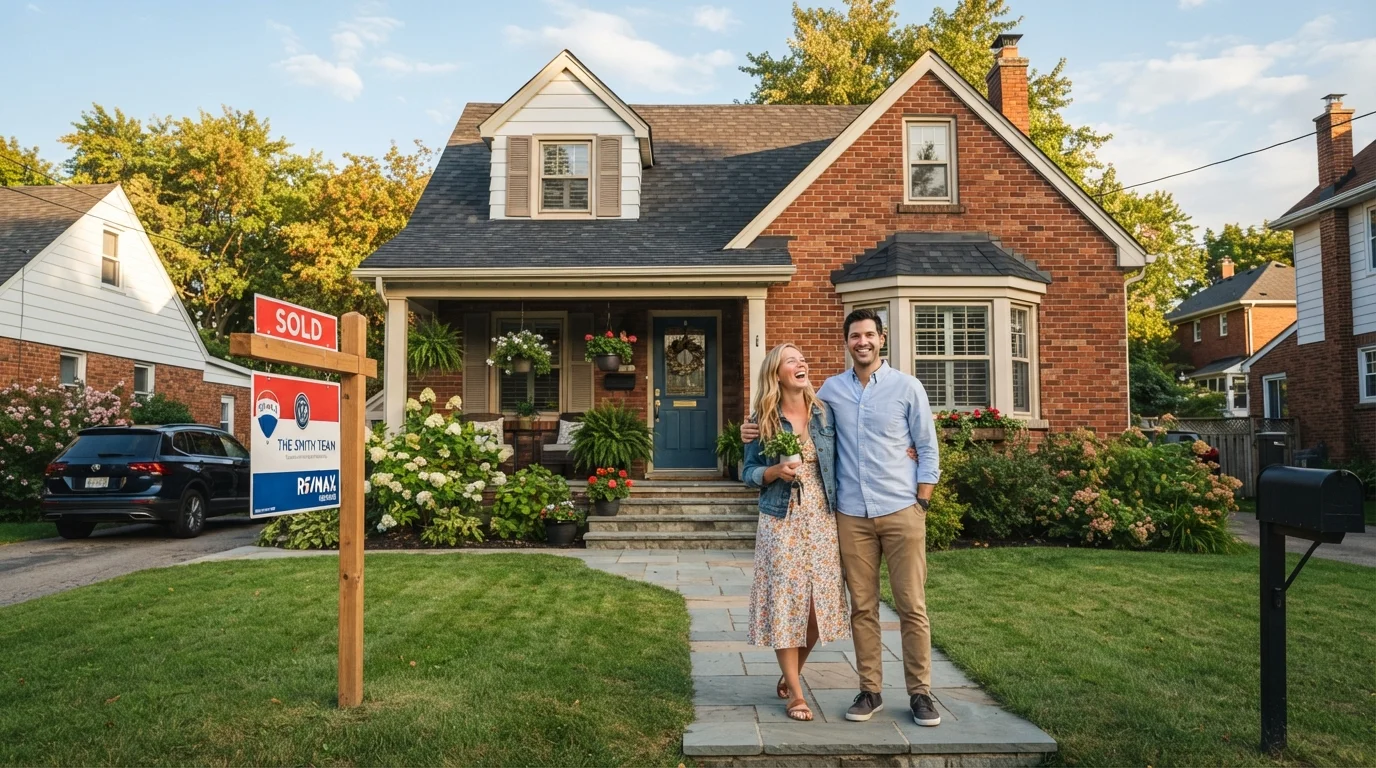
At that point, you'll receive the keys. The entire journey from accepted offer to closing typically takes 30-60 days, though timelines vary based on financing type, market conditions, and negotiated terms.
This article provides general educational information about the US home buying process and is not legal, financial, or real estate advice tailored to your specific situation. Consult a licensed real estate professional, attorney, and financial adviser before making property decisions.