Why Deals Fall Apart More Often Than Buyers Expect
Buying a home is one of the largest financial commitments most people will ever make - and the path from accepted offer to closing day is littered with potential missteps. Many deal failures aren't caused by bad luck; they stem from avoidable errors made in moments of excitement, confusion, or competitive pressure.
Understanding where buyers go wrong is the first step toward protecting yourself. The mistakes below are drawn from patterns commonly observed across US real estate transactions. Recognizing them early can mean the difference between owning your next home and starting the search all over again.
~32%
Home purchase contracts that fall through
According to National Association of Realtors data, roughly one in three home purchase contracts does not reach closing, often due to financing issues, inspection disputes, or appraisal gaps.
1%-3%
Typical earnest money deposit at risk
Most US purchase agreements require an earnest money deposit of 1%-3% of the purchase price - funds a buyer can lose if they back out outside of a valid contingency.
The Most Costly Mistakes - and How to Avoid Them
Each of the missteps below has derailed real transactions. More importantly, each is preventable with the right preparation and guidance.
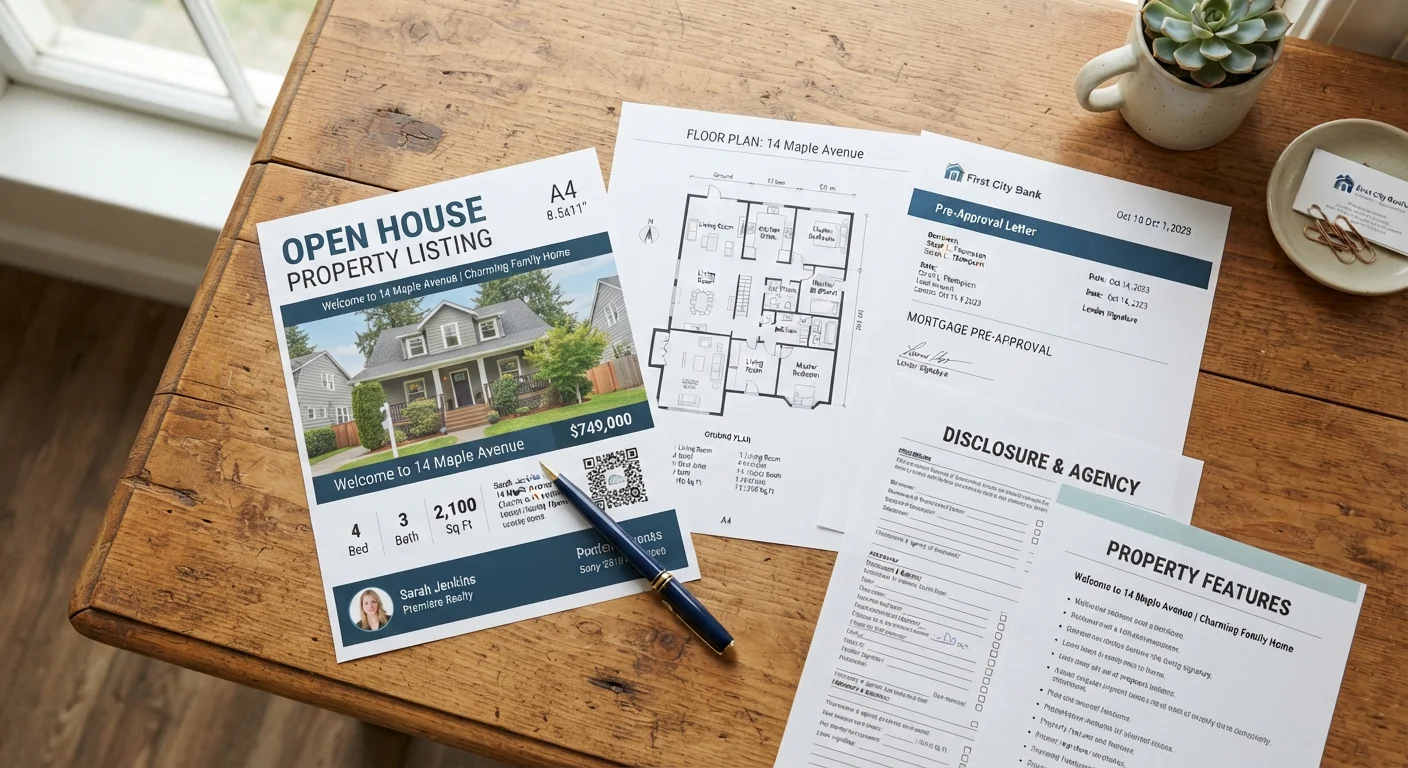
Shopping for homes without mortgage pre-approval in hand.
Why it happens: Many buyers assume pre-approval can happen after they find a home they love, not realizing sellers and agents prioritize pre-approved offers as a sign of seriousness.
Waiving the home inspection to compete in a hot market.
Why it happens: In multiple-offer situations, buyers feel pressure to strip their offers of anything that might slow the process or seem conditional, including inspections.
Making large financial moves between contract and closing.
Why it happens: Buyers celebrate a ratified contract and assume the hard part is over, sometimes opening new credit accounts, buying a car, or changing jobs.
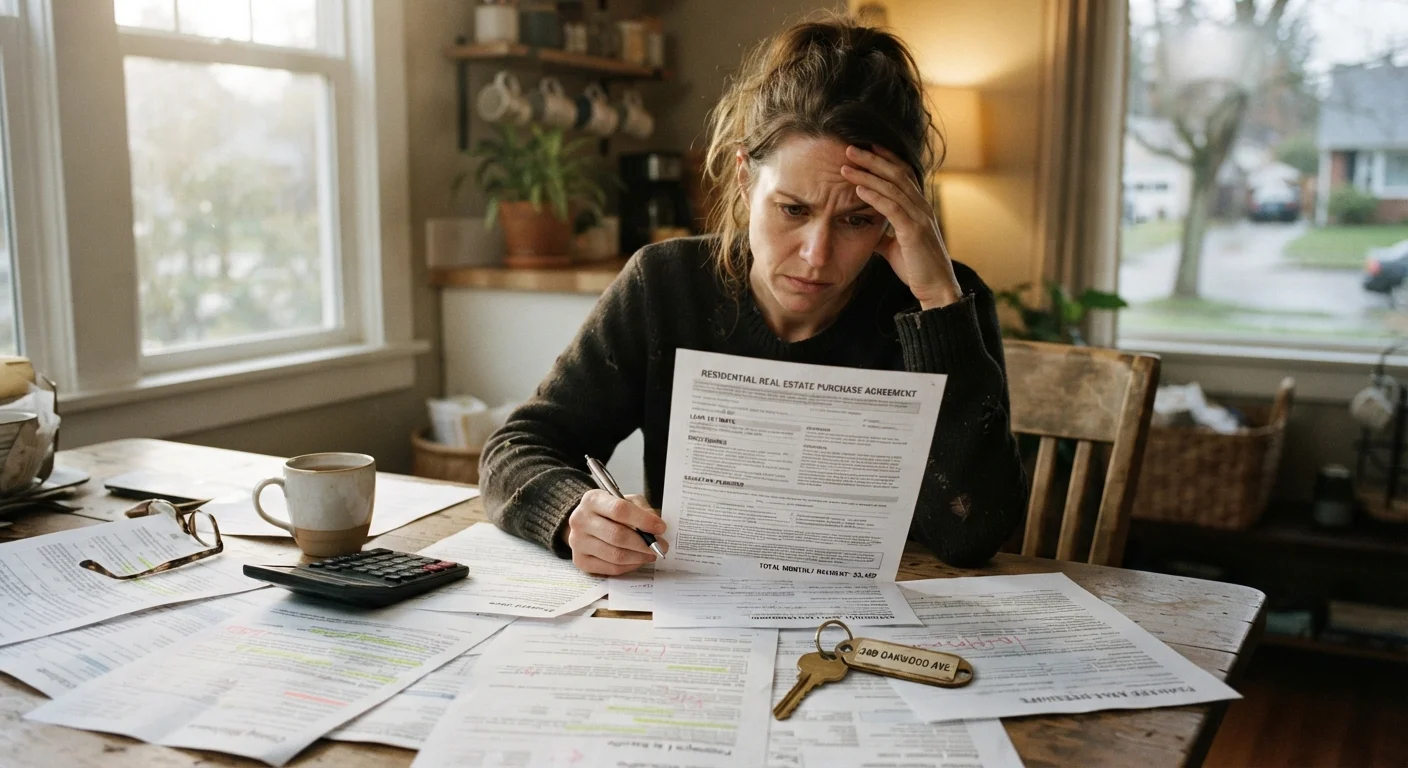
Misunderstanding or overlooking key contingencies in the contract.
Why it happens: Real estate contracts contain legal terminology that buyers often skim or leave entirely to their agent, leading to surprise when a contingency deadline passes unnoticed.
Letting emotions override due diligence on price and condition.
Why it happens: Falling in love with a home is easy; staying objective about whether the price is justified and the property is sound is much harder in the moment.
Never Waive an Inspection Without Full Awareness
Waiving a home inspection may make your offer more attractive in a competitive market, but it removes a critical layer of protection. Hidden structural defects, faulty wiring, or plumbing failures can cost tens of thousands of dollars after closing. If you're considering this step, consult your buyer's agent and understand every risk in writing before proceeding.
Title-related issues are another area where buyers often underestimate risk. Understanding what title insurance covers and why lenders require it is an important part of protecting your purchase from hidden ownership disputes or liens.
Contingency Removal Can Be Irreversible
Once you waive or release a contingency - such as financing or appraisal - you may forfeit your earnest money deposit if the deal falls through for that reason. Always consult your real estate agent or a real estate attorney before agreeing to remove any contractual protection. The pressure to act quickly should never override legal caution.
The common thread running through nearly all of these mistakes is moving faster than your understanding. A knowledgeable buyer's agent, a real estate attorney when needed, and disciplined financial habits during the transaction period are your strongest defenses against losing a deal you worked hard to win.
This article is for general informational purposes only and does not constitute legal, financial, or real estate advice. Consult a licensed real estate professional, lender, or attorney for guidance specific to your situation.