How Deferred Maintenance Compounds Over Time
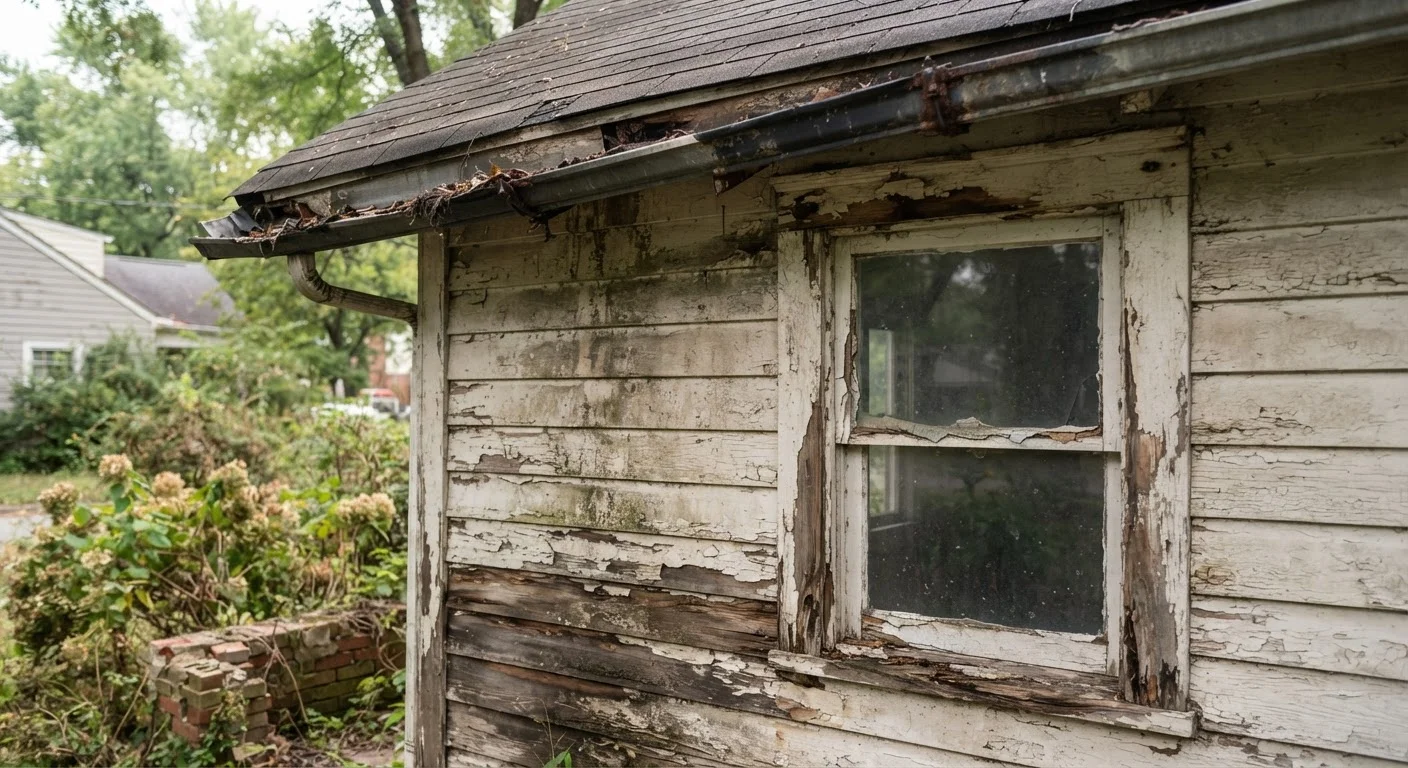
Deferred maintenance refers to repairs and upkeep tasks that are knowingly postponed rather than addressed on a timely schedule. What begins as a minor inconvenience - a slow-draining gutter, a hairline crack in caulking, a furnace filter left unchanged - can escalate into a far more disruptive and expensive problem over months or years.
The compounding nature of neglect is what makes this one of the most financially damaging habits in property ownership. Water that infiltrates through a damaged roof flashing doesn't stop at the sheathing - it migrates into insulation, framing, and drywall. A cracked foundation seal left unaddressed invites moisture intrusion that can undermine structural integrity. Each deferred task doesn't just sit waiting to be fixed; it often creates the conditions for the next, larger failure.
Understanding this dynamic is the foundation for breaking the cycle. The annual maintenance tasks most owners overlook are often the same ones that quietly snowball into major repair bills.
1%-3%
Of home value recommended for annual maintenance
Industry guidance commonly suggests homeowners budget between 1% and 3% of their home's value annually for maintenance, with older homes trending toward the higher end.
~10x
Cost multiplier for delayed water damage repairs
Building industry professionals frequently note that water intrusion issues caught early can cost hundreds to fix, while the same issue left unaddressed may require tens of thousands in remediation.
Common Mistakes That Lead to Deferred Maintenance
Most homeowners don't intend to let their property deteriorate. The following mistakes explain how good intentions give way to costly neglect - and what to do instead.
Treating maintenance as optional until something visibly breaks.
Why it happens: Homeowners often prioritize visible upgrades over invisible upkeep, since a new fixture feels like progress while servicing a sump pump does not.
Underestimating how quickly a contained problem can spread.
Why it happens: A small water stain on the ceiling or a slightly soft spot on the floor doesn't seem urgent, so it gets added to a mental "someday" list that never gets addressed.
Lacking a dedicated maintenance fund and using that as justification to delay.
Why it happens: Without earmarked savings, any unexpected repair feels financially catastrophic, making it tempting to put off the expense and hope the problem stabilizes on its own.
Relying on seasonal motivation rather than a systematic schedule.
Why it happens: Many homeowners address maintenance in bursts - typically spring or fall - but miss tasks outside those windows, leaving gaps that accumulate over time.
Assuming DIY repairs completed without permits or professional oversight are sufficient.
Why it happens: Cost savings drive many homeowners to attempt repairs beyond their skill level, or to skip permits to avoid hassle - resulting in work that may not meet code and can mask deeper problems.
This article is for general informational purposes only and does not constitute financial, legal, or professional home repair advice. Consult qualified professionals for guidance specific to your property and circumstances.
The Financial and Resale Consequences
Beyond repair costs, deferred maintenance carries a significant financial footprint at resale. Buyers and their inspectors are trained to identify signs of neglect, and a home with a long list of deferred items typically triggers lower offers, renegotiation demands, or deals that fall through entirely.
Lenders may also flag certain unresolved issues - particularly those involving roofing, HVAC systems, or moisture damage - as conditions of financing, which can complicate or delay closing. The common myths about homeownership that cost money include the assumption that minor cosmetic updates will offset years of deferred structural upkeep. They rarely do.
Deferred Maintenance Can Void Insurance Claims
Homeowners insurance generally covers sudden and accidental damage - not damage resulting from ongoing neglect. If an insurer determines that a loss was caused or worsened by maintenance that a reasonable homeowner should have addressed, a claim may be denied or reduced. Review your policy terms and maintain documentation of completed repairs to support any future claims.
Proactive owners build maintenance reserves rather than relying on luck. If this area needs work, building a home repair emergency fund is a practical starting point for creating financial resilience against unexpected repair needs.