Why Lease Language Matters
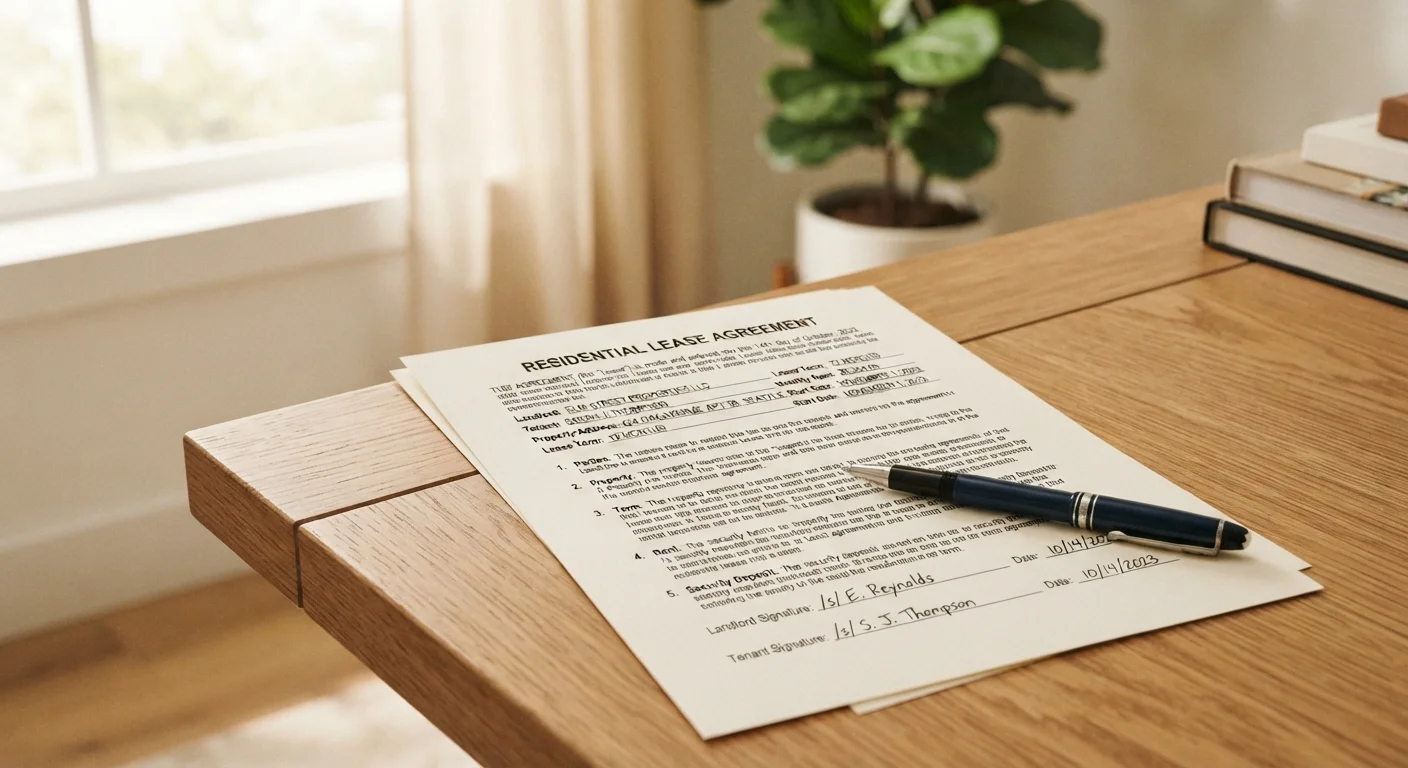
A residential lease is a legally binding contract - one that governs where you live, how much you pay, and what rights you hold for months or years at a time. Yet most renters sign without fully understanding what they've agreed to. Knowing what standard clauses actually mean - not just what they sound like - is the foundation of a confident rental experience.
If you're new to renting, see our guide for first-time apartment renters for broader context on the process before you reach the lease stage.
| Typical Lease Term | 12 months (fixed-term) |
| Security Deposit Maximum | Varies by state; often 1-2 months' rent |
| Landlord Entry Notice Requirement | 24-48 hours (most states) |
| Deposit Return Deadline | 14-30 days after move-out (state-specific) |
| Early Termination Fee Range | 1-2 months' rent (typical) |
Core Clauses Decoded
Most standard US leases follow a predictable structure. Here's what the most consequential clauses actually obligate you to do - or protect you from.
Rent and Payment Terms
This clause specifies the monthly amount, the due date (commonly the 1st), any grace period (often 3-5 days), and the late fee structure. Late fees are typically capped by state law - in many states, they cannot exceed a percentage of one month's rent. Always note the exact due date, not the grace period, as your binding obligation.
Security Deposit
Landlords may hold a security deposit - often one to two months' rent - to cover unpaid rent or damage beyond normal wear and tear. State law dictates how long a landlord has to return it (commonly 14-30 days after move-out) and what deductions are permissible. Photographing the unit on move-in and move-out is one of the most effective ways to protect your deposit.
Lease Term and Renewal
A fixed-term lease (typically 12 months) locks in your rent and tenancy for that period. At the end of the term, some leases auto-convert to month-to-month; others require a new signed agreement or automatic renewal with advance notice required to opt out. Missing a renewal deadline can bind you to another full term. For a fuller comparison of term structures, see month-to-month vs. fixed-term leases.
Early Termination
Breaking a lease before the end date typically triggers financial penalties. These may include forfeiture of your security deposit, payment of rent through the end of the lease, or a flat early termination fee (often one to two months' rent). Most states require landlords to mitigate damages - meaning they must make reasonable efforts to re-rent the unit rather than collect rent from you indefinitely. Read this clause carefully before assuming your liability is unlimited.
Maintenance and Repairs
Landlords are generally required by law to maintain habitable conditions - functioning heat, plumbing, and structural integrity. Leases often specify how repair requests must be submitted (in writing is advisable) and expected response timeframes. Tenant obligations typically include minor upkeep such as replacing light bulbs, keeping the unit clean, and promptly reporting damage. Never verbally agree to waive habitability rights - such agreements are generally unenforceable.
Subletting and Assignment
Many leases prohibit subletting or require written landlord approval. Subletting without permission is grounds for eviction in most states. If you anticipate needing flexibility - for example, due to work travel or relocation - negotiate subletting rights before signing, not after.
Security Deposit
A sum of money held by the landlord to cover unpaid rent or damages beyond normal wear and tear. State law governs the maximum amount, required holding conditions, and deadline for return after move-out.
Habitable Conditions
The legally required standard that a rental unit must meet to be considered safe and livable. This generally includes functioning heat, plumbing, weatherproofing, and freedom from serious hazards.
Subletting
An arrangement in which the original tenant rents the unit - or part of it - to a third party while remaining the party of record on the original lease. Most leases require written landlord approval.
Quiet Enjoyment
A tenant's legal right to use and enjoy the rental property without undue interference from the landlord or others claiming legal interest in the property.
Early Termination Fee
A financial penalty specified in the lease for breaking the rental agreement before the end of the agreed term. The amount and conditions vary by lease and jurisdiction.
Mitigation of Damages
A legal obligation in most states requiring a landlord to make reasonable efforts to re-rent the unit after a tenant breaks a lease, rather than collecting rent from the departed tenant for the full remaining term.
Normal Wear and Tear
The minor deterioration of a property that results from ordinary, everyday use - such as small nail holes or faded paint. Landlords generally cannot charge tenants for this type of wear.
Clauses That Protect You
Some lease provisions exist specifically to protect the tenant. Quiet enjoyment clauses guarantee your right to use the property without interference from the landlord. Entry notice provisions require the landlord to give advance written notice - typically 24 to 48 hours - before entering, except in genuine emergencies. These rights are often reinforced by state statute even if not explicitly stated in the lease.
Review any clause labeled "landlord not liable" carefully. While landlords can limit certain liability, they cannot legally waive responsibility for negligence or failure to maintain habitable conditions. If a clause seems to eliminate all tenant recourse, consult a local tenant rights organization before signing.
This article provides general educational information about residential lease agreements and does not constitute legal advice. Lease laws vary significantly by state and locality. Consult a qualified attorney or local tenant rights organization for guidance specific to your situation.