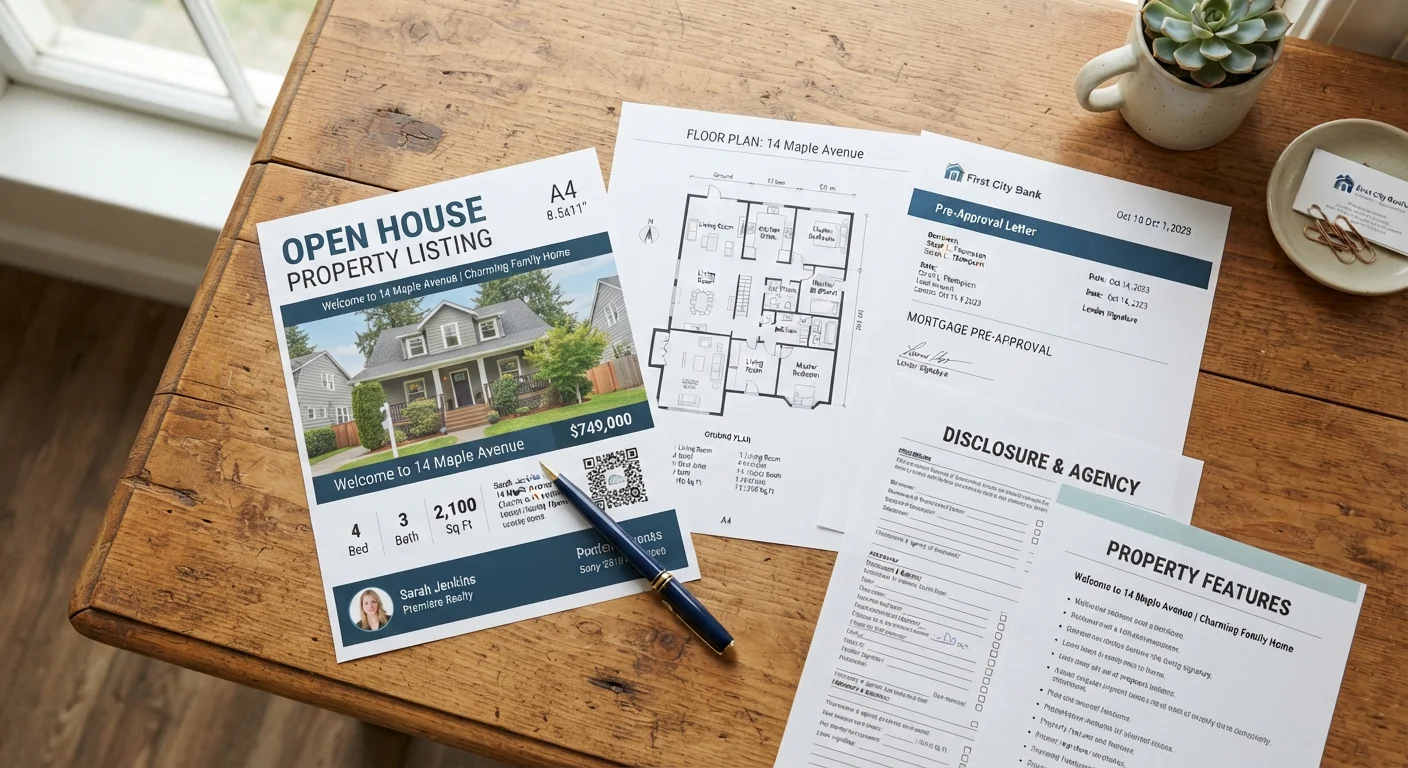

Why Preparation Matters Before You List
Listing a home as a rental can generate meaningful income, but many first-time landlords underestimate how much groundwork is required before accepting a single application. The gap between owning a home and operating a rental property is substantial - spanning landlord-tenant law, tax obligations, insurance, and property condition standards.
Unprepared landlords face risks including fair housing violations, uninsured liability, lease disputes, and unexpected repair costs. This checklist is designed to help homeowners audit their readiness across every critical area before placing a listing. Whether you're converting a primary residence, an inherited property, or a second home, use this as your pre-launch framework.
If you're still weighing your options, our article on renting out a room versus renting the whole property breaks down how each approach differs in practice, liability, and cash flow.
Legal and Regulatory Readiness
Insurance and Liability
Property Safety and Physical Condition
Financial Preparation
Lease and Tenant Management
Tools and Resources to Have Ready
Before working through the checklist, gather the resources below. Having these in place will make each step faster and more accurate.
State landlord-tenant law summary
Identifies your state's rules on security deposits, required disclosures, notice periods, and tenant rights.
Landlord or dwelling insurance policy
Replaces or supplements homeowner's insurance to cover the specific risks of a rental property.
Written lease agreement template
Provides a legally structured framework for your rental terms; should be reviewed by a local attorney before use.
Move-in condition report form
Documents the property's condition at move-in, signed by both parties, to protect against deposit disputes.
Licensed home inspector
Identifies deferred maintenance and safety issues before tenants move in, reducing future liability.
Licensed tax professional (CPA or enrolled agent)
Advises on rental income reporting, eligible deductions, and depreciation to ensure tax compliance.
Dedicated rental bank account
Keeps rental income and expenses separate from personal finances for cleaner record-keeping.
Legal and Financial Realities to Understand First
Becoming a landlord means entering a regulated relationship with your tenant. Federal fair housing law prohibits discrimination based on race, color, national origin, religion, sex, familial status, and disability. Many states and cities extend these protections further. Violating fair housing rules - even unintentionally - can result in significant legal and financial consequences.
Fair Housing Compliance Is Non-Negotiable
The federal Fair Housing Act prohibits landlords from discriminating against applicants based on race, color, national origin, religion, sex, familial status, or disability. Many states and cities add additional protected classes. Your screening criteria, advertising language, and tenant selection process must be consistently applied and legally defensible. Violations can result in complaints, investigations, and significant financial penalties - consult a local real estate attorney if you are uncertain whether your process complies.
On the financial side, rental income is generally taxable at the federal level and often at the state level too. However, landlords may be able to deduct eligible expenses such as mortgage interest, property taxes, insurance premiums, maintenance costs, and depreciation. Consult a licensed tax professional before your first rental year to understand how rental income affects your overall tax situation.
Understanding what tenants look for - and how they evaluate a rental - can also help you prepare more effectively. Our overview of how landlords evaluate rental applications offers a useful perspective from the other side of the process.
Standard Homeowner's Insurance Won't Protect You
A homeowner's policy is designed for owner-occupied properties. Once you place a tenant, that coverage typically becomes void or severely limited for rental-related losses. Obtain a landlord or dwelling fire policy before your first tenant takes possession. Failing to update your coverage can leave you personally exposed to liability claims and property damage costs.
Finally, if your property is governed by a homeowners association (HOA), review your CC&Rs before listing. Many HOAs restrict or prohibit rental activity, require landlord registration, or impose tenant approval processes. Violating HOA rules can result in fines or legal action independent of your tenant relationship.
This article is for general informational purposes only and does not constitute legal, tax, or financial advice. Consult a licensed attorney, accountant, or financial adviser for guidance specific to your situation and jurisdiction.