What a Standard Home Inspection Covers
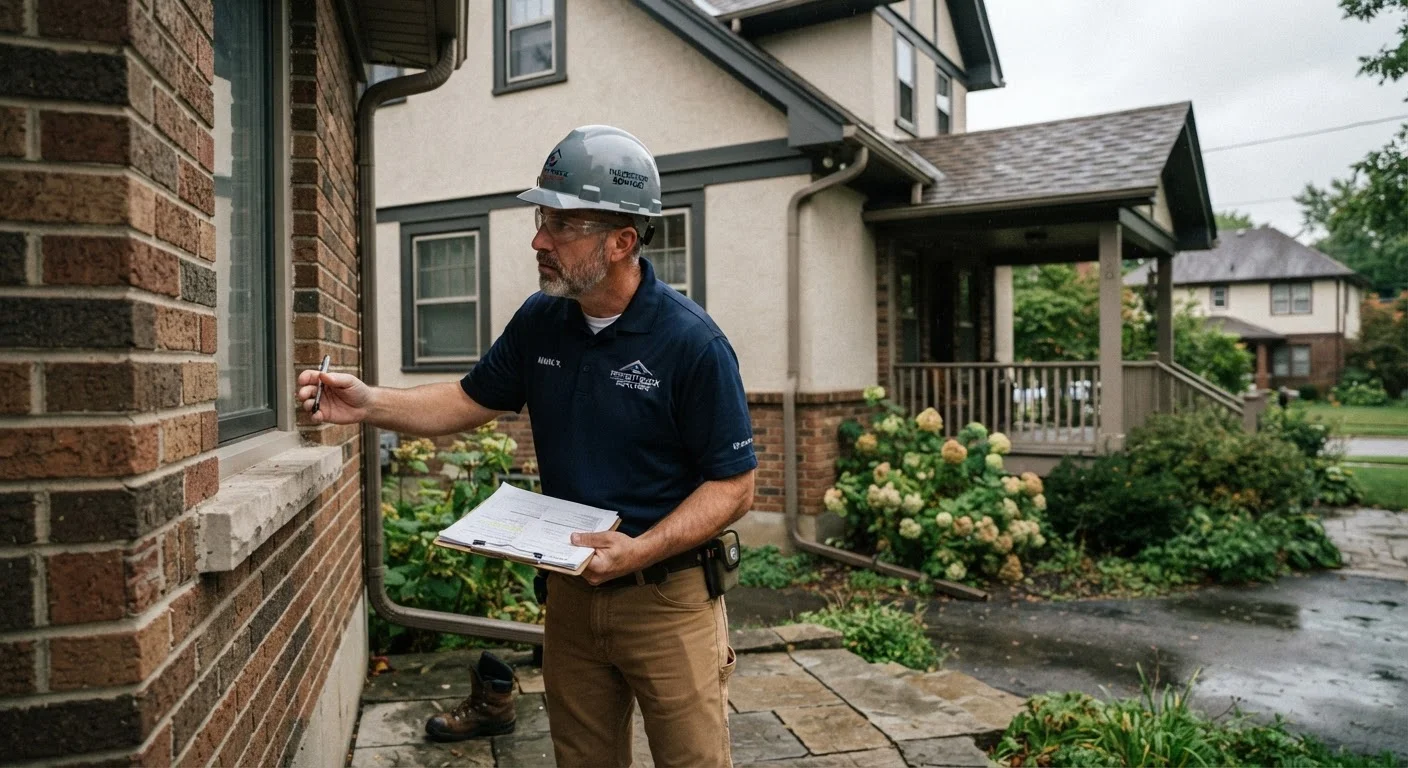
A general home inspection is a visual, non-invasive examination of a property's accessible systems and components. Licensed inspectors follow established standards - most commonly those set by organizations such as the American Society of Home Inspectors (ASHI) or InterNACHI - that define a minimum scope of review.
| Typical inspection duration | 2-4 hours for an average-sized home |
| Average cost range | $300-$500 (varies by region and property size) |
| Inspection type | Visual, non-invasive - no demolition or testing |
| Standard-setting bodies | ASHI and InterNACHI define minimum scope |
| Report output | Written report noting deficiencies - not a pass/fail grade |
| Environmental testing included? | No - radon, lead, asbestos require separate specialists |
In practice, a typical inspection addresses:
- Structural components: Foundation, framing, floors, walls, ceilings, and roof structure, evaluated for visible defects or movement.
- Roofing: Condition of shingles or other surface materials, gutters, downspouts, and visible flashings.
- Electrical systems: Main panel, visible wiring, outlets, and GFCI protection - inspectors look for safety hazards, not code compliance with every local amendment.
- Plumbing: Visible supply and drain lines, fixtures, water heater condition and age, and basic water pressure.
- HVAC: Heating and cooling equipment is operated and observed, filters checked, and visible ductwork noted.
- Interior: Windows, doors, stairways, insulation where accessible, and ventilation in bathrooms and kitchens.
- Exterior: Siding, grading and drainage around the foundation, driveways, walkways, and visible attached structures like decks.
The report documents observed conditions and flags items that are deficient, near end of service life, or warrant further evaluation - but it is not a pass/fail certification.
What Falls Outside the Inspector's Scope
Understanding the limits of a general inspection is just as important as knowing what it covers. Buyers sometimes assume an inspection is a comprehensive audit of everything that could go wrong - it isn't.
Visual inspection
An assessment limited to what is observable without moving, dismantling, or damaging components. Home inspectors examine accessible surfaces and systems only - hidden or concealed areas are not evaluated.
Specialist inspection
A focused evaluation by a credentialed expert in a specific area, such as a structural engineer, licensed electrician, or chimney professional. These go beyond the scope of a general home inspection.
Environmental hazard testing
Testing for substances such as radon, lead, asbestos, or mold that may pose health risks. These tests require separate engagement from the general inspection and are conducted by certified specialists.
Inspection contingency
A clause in a purchase agreement that allows the buyer to negotiate repairs, request credits, or exit the contract based on findings from a home inspection within a specified timeframe.
Wood-destroying organisms (WDO)
Pests - most commonly termites - that damage wood structures. WDO inspections are typically separate from general home inspections and may be required by lenders in certain regions.
Common exclusions from a standard inspection include:
- Concealed conditions: Inspectors cannot see behind finished walls, under flooring, or inside closed cavities. Hidden mold, deteriorated pipes inside walls, or damaged insulation may go undetected.
- Environmental hazards: Radon, asbestos, lead paint, mold testing, and underground oil tanks are almost universally outside standard scope and require separate, specialized testing.
- Pest and wood-destroying organisms: Termite inspections are separate engagements, often required by lenders but not automatically part of a general inspection.
- Septic systems and private wells: These require dedicated inspections by qualified specialists.
- Chimneys and fireplaces: A general inspector notes visible conditions, but a full Level 2 chimney inspection - including camera evaluation - requires a certified chimney professional.
- Swimming pools and outbuildings: Often excluded or add-on services, depending on the inspector and agreement.
- Code compliance: Inspectors note observable safety concerns but do not verify every current building or zoning code requirement.
See our detailed breakdown of inspection scope for additional guidance on where general inspections draw their boundaries.
Inspection Reports Are Descriptive, Not Prescriptive
A home inspection report documents observable conditions at a specific point in time - it does not predict future failures or guarantee that uncited systems are problem-free. Inspectors are not required to disclose estimated repair costs, and their findings reflect professional judgment, not a legal warranty. Always read the inspection agreement carefully before the inspection begins to understand its exact scope and any liability limitations.
When Specialist Inspections Are Worth Considering
A general inspection is a starting point, not an endpoint. Depending on a property's age, location, or observable conditions, additional specialist evaluations are often prudent - and sometimes essential for informed negotiation.
~86%
Buyers who request a home inspection
The vast majority of home purchase transactions in the US include a buyer-ordered general inspection, according to industry surveys.
1 in 5
Homes with elevated radon levels
The U.S. Environmental Protection Agency estimates approximately one in five homes has radon levels at or above the action level of 4 pCi/L - undetectable without separate testing.
Consider specialist evaluations in these situations:
- Older homes (pre-1980): Asbestos-containing materials and lead paint were common. Environmental testing helps quantify actual risk.
- Radon-prone regions: Short-term radon tests are inexpensive and widely recommended regardless of geography.
- Properties with crawl spaces or basements: Moisture intrusion and structural concerns in these areas often warrant closer inspection by a structural engineer.
- Homes with older electrical panels: Certain legacy panel types have known safety histories; an electrician's assessment can clarify risk.
- Rural properties: Well water quality testing and septic system inspections are critical - conditions vary widely and repair costs can be substantial.
Paying for one or two additional specialist inspections may add a few hundred dollars to closing costs, but it can also surface issues that significantly affect negotiating leverage or long-term ownership costs. For broader context on protecting your property financially, understanding what homeowners insurance covers and where it falls short is a natural complement to inspection due diligence.
This article is for informational purposes only and does not constitute legal, financial, or professional home inspection advice. Consult a licensed inspector and qualified professionals for guidance specific to your property and situation.