
Why Competitive Rental Markets Demand a Different Approach
In markets where rental vacancy rates are low, the traditional approach of browsing casually and applying when something feels right simply does not work. Units receive multiple applications within hours, landlords hold tours for groups rather than individuals, and even strong candidates miss out simply because they were unprepared or slow to respond.
The good news is that preparation - not luck - is the primary differentiator. Renters who treat the search as a structured process rather than a passive activity consistently outperform those who don't, regardless of income level. This guide outlines the specific practices that give you a realistic edge. For a broader picture of what to expect before signing anything, see what first-time renters should know before signing a lease.
Know Your Local Tenant Rights
Rental regulations vary significantly by city and state. Some markets have rent control ordinances, source-of-income protections, or limits on application fees. Before you begin your search, research the tenant protections in your specific area through your local housing authority or a tenant rights organization. Understanding your rights is as important as understanding the market.
Practices That Strengthen Your Rental Search
The following approaches are grounded in how landlords and property managers actually make decisions. Each one addresses a real friction point in the competitive application process.
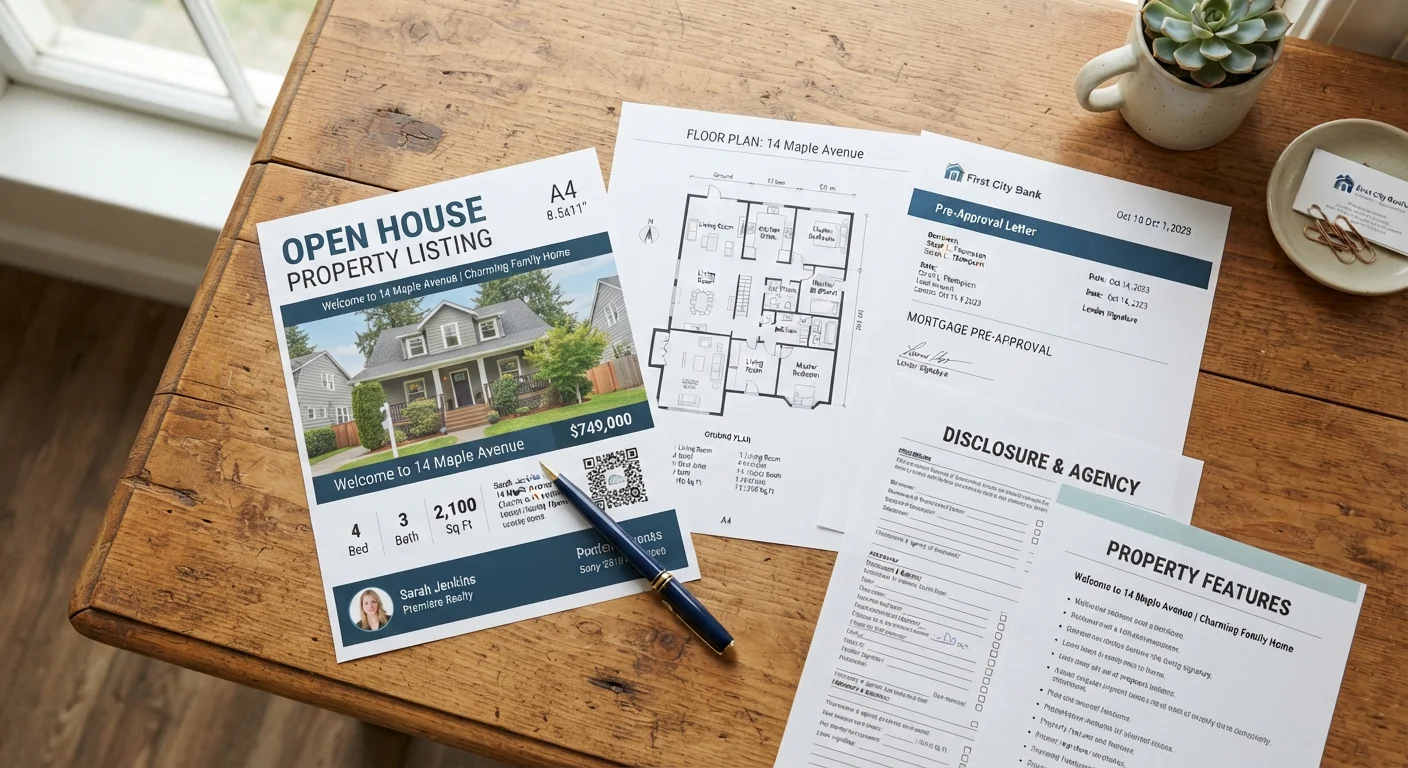
Assemble a complete rental application package before you start touring.
Landlords in high-demand markets often process applications on a first-come, first-served basis. Showing up to a tour with everything ready - proof of income, references, ID, and a filled-out application - can let you submit same-day while competitors scramble. Delays of even a few hours can cost you the unit.
Set up real-time listing alerts across multiple platforms.
In tight markets, desirable rentals can receive dozens of inquiries within 24 hours of posting. Waiting to check listings manually - even once a day - puts you at a structural disadvantage. Automated alerts from multiple sources maximize the chances you see new inventory the moment it appears.
Broaden your search geography deliberately and strategically.
Fixating on one neighborhood limits your options and exposes you to the highest competition. Adjacent areas often offer comparable amenities, transit access, and quality of life at meaningfully lower demand - giving you more leverage and more time to make a sound decision.
Write a brief, professional renter introduction letter.
Landlords are selecting someone to occupy and care for their property, often for a year or more. A short, clear letter explaining your employment, lifestyle, and rental history humanizes your application and addresses concerns before they arise - particularly helpful when multiple applicants have similar financials.
Understand the income and credit thresholds landlords typically use.
Most landlords apply standard screening benchmarks - commonly requiring gross monthly income of at least 2.5 to 3 times the monthly rent, and a minimum credit score threshold. Knowing these benchmarks lets you self-qualify before applying, saving time and protecting your credit from unnecessary inquiries. See how landlords evaluate rental applications for a detailed breakdown.
Follow up professionally after submitting an application.
A courteous, brief follow-up - sent 24 to 48 hours after applying - demonstrates genuine interest and keeps your name visible without appearing desperate. It also creates an opportunity to answer any outstanding questions the landlord may have.
Start With These Quick Actions
Before your next search session, take these immediate steps to put yourself in a stronger position. Most take under an hour and can meaningfully improve how your application is received.
Also take time to understand the full costs of renting beyond monthly rent - budgeting accurately from the start prevents surprises after you sign.
Presenting Yourself as a Strong Applicant
“The renter who wins in a tight market isn't always the one with the highest income - it's the one who shows up prepared, responds quickly, and makes the landlord's decision easy.”
— Real Estate Editorial Team, Editorial analysis based on documented landlord screening practices
The strongest applications combine financial credibility with clear communication. Landlords are not just evaluating your income and credit - they are assessing whether you will be a reliable, low-conflict tenant. Every touchpoint matters: how promptly you respond to messages, how you present yourself at a tour, and the quality of the written materials you submit.
If you are navigating the purchase side of the market as well, the dynamics are different but equally demanding - see negotiating a home purchase effectively for guidance on that process.
This article is for general informational purposes only and does not constitute legal, financial, or housing advice. Rental regulations and market conditions vary by location. Consult a local tenant rights organization or licensed housing professional for guidance specific to your situation.