How Caribbean Islands Differ - and Why It Matters Before You Book
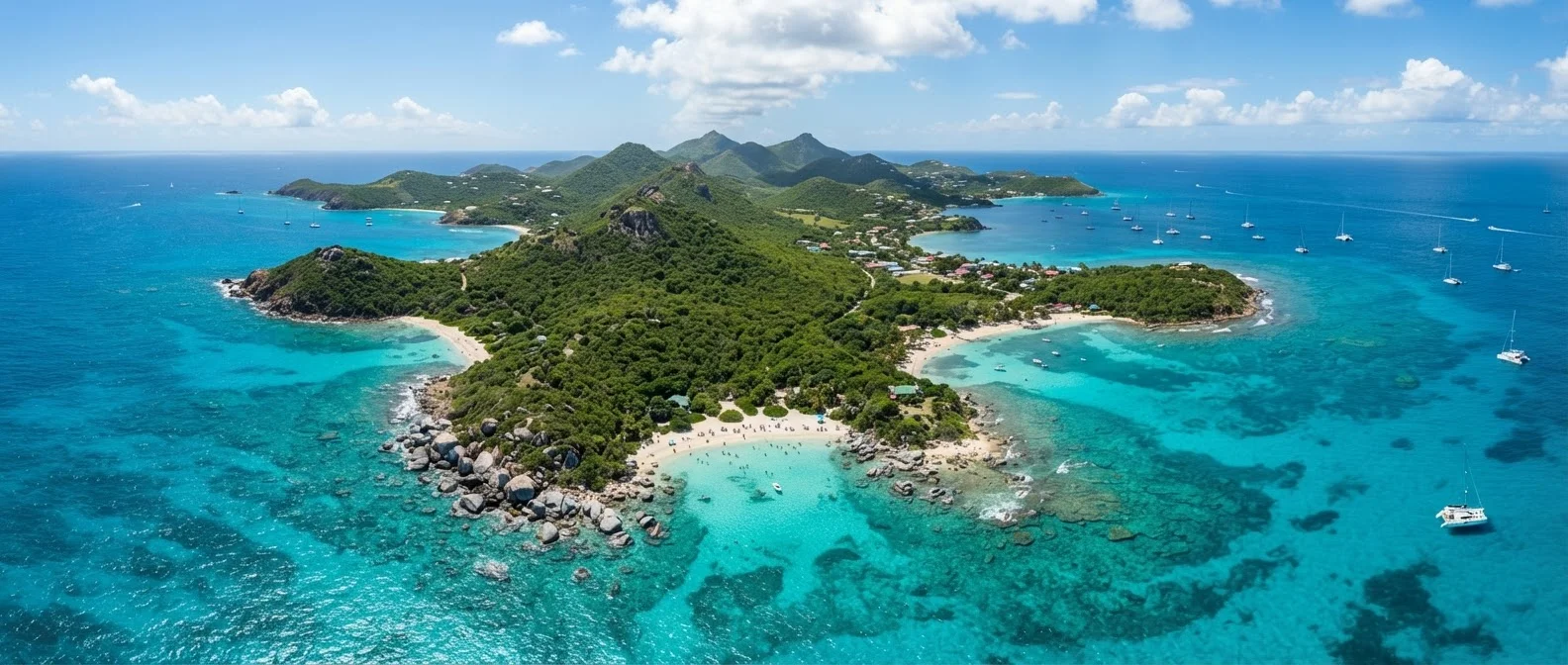
The Caribbean is often treated as a single destination, but the region spans more than 7,000 islands, cays, and islets across multiple climate zones, colonial histories, and cultural traditions. Choosing between them isn't just about finding a beach - it's about matching an island's rhythm to your travel style.
This reference breaks down the major Caribbean destinations by three practical dimensions: climate and seasonality, crowd levels and tourism infrastructure, and local culture and language. Use it as a starting point before you research specifics or speak with a travel professional.
| Number of Caribbean islands, cays, and islets | Over 7,000 (General geographic reference) |
| Official hurricane season | June 1 - November 30 (NOAA Atlantic Hurricane Season definition) |
| Peak hurricane activity months | August - October (NOAA historical storm data) |
| Languages spoken across the region | English, Spanish, French, Dutch, Papiamentu, various Creoles (Regional linguistic overview) |
| Driest islands by climate type | Aruba, Bonaire, Curaçao (ABC Islands) (Caribbean climate geography references) |
| Approximate dry season | December - April (most islands) (General Caribbean meteorological patterns) |
Note: Entry requirements, visa rules, and travel advisories change frequently. Always verify current conditions through official government sources and your country's foreign affairs office before booking.
Climate Patterns by Island Group
Most Caribbean islands share a general two-season framework - a drier period roughly from December through April, and a wetter, more humid period from May through November. However, geography creates meaningful differences.
Hurricane Season
The Atlantic hurricane season officially runs from June 1 through November 30. Peak activity typically occurs between August and October, when warm ocean temperatures most favor storm development.
Trade Winds
Steady easterly winds that blow across the Caribbean basin, naturally cooling temperatures and reducing humidity on exposed coastlines. Islands on the windward side of a land mass receive more rainfall.
Windward vs. Leeward
Windward refers to the side of an island facing prevailing winds, which typically receives more rain and surf. Leeward refers to the sheltered side, which tends to be drier and calmer - relevant when choosing which coast to stay on.
Creole Language
A stable, fully developed language that evolved from contact between different language groups, often during the colonial era. Several Caribbean islands have their own distinct Creole languages alongside a European colonial language.
ABC Islands
The informal name for Aruba, Bonaire, and Curaçao - three Dutch Caribbean islands located close to the Venezuelan coast, known for their arid climate and relatively low hurricane risk.
Eco-Tourism
Travel focused on natural environments, wildlife, and conservation-conscious experiences. Several smaller Caribbean islands have deliberately built tourism around hiking, diving, and environmental education rather than large-scale resort development.
Northern Caribbean (Bahamas, Cuba, Jamaica, Hispaniola)
These islands experience more seasonal temperature variation than those farther south. Winter visitors will find noticeably cooler evenings, especially in elevated areas like Jamaica's Blue Mountains. The Bahamas can see occasional cold fronts push through in January and February, briefly dropping temperatures.
Eastern Caribbean (Barbados, St. Lucia, Antigua, Grenada)
The easternmost islands sit in the direct path of Atlantic trade winds, which naturally moderate heat and humidity. Barbados, in particular, is positioned slightly outside the main hurricane belt, though no island is entirely immune to storm risk. Rainfall varies considerably by elevation - St. Lucia's interior rainforest receives far more precipitation than its beachfront resorts.
Southern Caribbean (Aruba, Bonaire, Curaçao)
The ABC islands lie south of the main hurricane track and enjoy an arid climate with consistent sunshine and low annual rainfall. They're among the most reliably sunny destinations in the region year-round, making them popular with travelers who want to minimize weather risk. Average annual rainfall in Aruba, for example, is among the lowest in the Caribbean.
Crowd Levels and Tourism Infrastructure
30M+
Annual Caribbean cruise passenger visits
The Caribbean consistently ranks as the world's most popular cruise destination, according to the Cruise Lines International Association (CLIA).
28
Distinct sovereign nations and territories in the Caribbean
The Caribbean Community (CARICOM) and other regional bodies represent a diverse mix of independent nations and overseas territories.
~3%
Average annual rainfall in Aruba vs. regional average
Aruba receives roughly 17-20 inches of rain per year, significantly below the Caribbean regional average of around 60 inches, reflecting its arid climate.
Caribbean tourism ranges from mass-market cruise hubs to nearly undiscovered cays with minimal development. Understanding where an island falls on this spectrum helps set realistic expectations.
High-Volume Destinations
Islands like Nassau (Bahamas), St. Thomas (US Virgin Islands), and Cozumel (Mexico) regularly receive multiple large cruise ships simultaneously. Tourism infrastructure is well-developed - taxis, shopping, and tours are plentiful - but popular beaches and attractions can feel crowded, especially mid-morning when day-trippers arrive.
Mid-Range Tourism Islands
Barbados, St. Lucia, and Antigua attract a healthy mix of independent travelers and resort guests. Facilities are reliable, English is widely spoken, and there's more breathing room at beaches outside peak holiday weeks.
Lower-Traffic Islands
Islands like Dominica, Saba, and Montserrat see far fewer visitors and prioritize eco-tourism, hiking, and diving over sprawling resorts. Infrastructure is less developed, which appeals to travelers seeking authenticity but requires more flexible planning around transportation and dining options.
Culture, Language, and Local Character
Colonial history has left a linguistically and culturally diverse region. Before traveling, knowing what shaped an island helps travelers engage more respectfully and meaningfully.
| Island / Territory | Primary Language | Historical Influence |
|---|---|---|
| Puerto Rico | Spanish, English | Spanish colonial, US territory since 1898 |
| Martinique & Guadeloupe | French, Antillean Creole | French overseas departments |
| Curaçao | Papiamentu, Dutch, English | Dutch colonial heritage |
| Jamaica | English, Jamaican Patois | British colonial, independent since 1962 |
| Haiti | Haitian Creole, French | First Black republic, independent 1804 |
| Trinidad & Tobago | English | British colonial, strong South Asian heritage |
Beyond language, music, food, and religious traditions vary sharply. Trinidad's Carnival (typically held before Lent) is one of the world's most celebrated festivals. Puerto Rico's culinary scene reflects its layered Spanish, African, and Taíno heritage. Grenada, known as the Spice Isle, produces a significant share of the world's nutmeg and has a food culture built around it.
Cultural Respect Goes a Long Way
Many Caribbean communities have mixed feelings about mass tourism's impact on local economies and environments. Choosing locally owned restaurants, transportation, and tours - where possible - is widely appreciated. Small gestures like learning a few words in the local language or asking before photographing people make a meaningful difference.
Understanding local customs - dress codes at religious sites, tipping norms, and community etiquette - contributes to more respectful and rewarding travel experiences throughout the region.