Why Mexico City Keeps Surprising Visitors
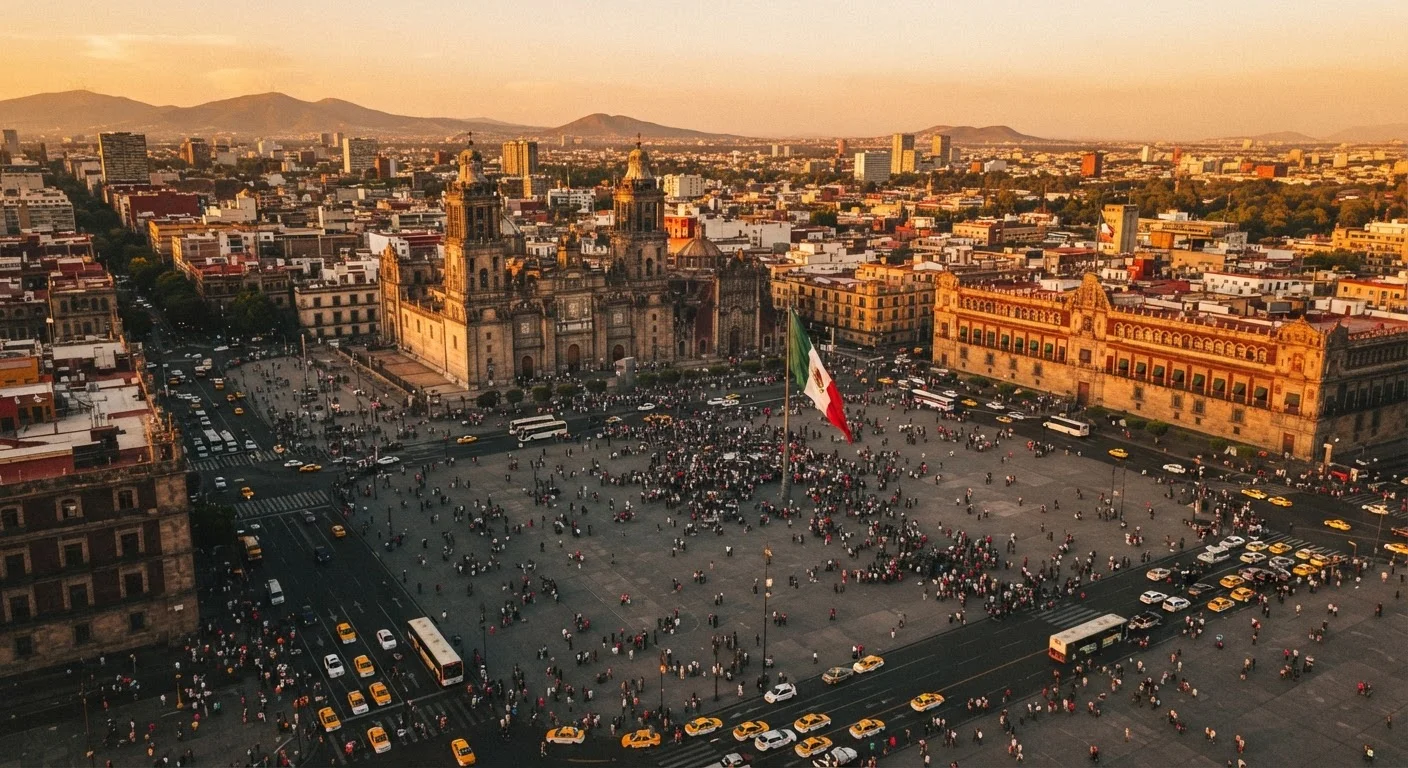
Mexico City - known locally as CDMX - ranks among the largest and most culturally layered cities in the Western Hemisphere. Yet many US travelers arrive carrying a set of assumptions that simply don't match life on the ground. The gap between misconception and reality isn't just inconvenient; it can shape the entire trip before the first flight is booked.
Whether you're a first-timer or a traveler who's been meaning to visit for years, getting a clearer picture of what CDMX is actually like makes for a smarter, more enjoyable journey. Our trip planning tips hub is a good companion as you move from myths to a real itinerary.
Myth
Mexico City is too dangerous to visit as a tourist.
Fact
Safety in CDMX is highly neighborhood-specific; popular tourist districts have robust visitor infrastructure and are frequented by millions of international travelers each year.
Like any major global city, Mexico City has areas with elevated crime and areas that are well-patrolled and heavily visited. Colonia Roma, Condesa, Polanco, the historic Centro Histórico, and Coyoacán each host large numbers of international visitors regularly. The US State Department issues tiered advisories by Mexican state - travelers should check the current advisory for Mexico City specifically at travel.state.gov before booking, and update that check closer to departure.
Myth
You can just hail any taxi off the street without worry.
Fact
Street-hailed taxis in Mexico City carry a higher risk of scams or safety incidents; ride-hailing apps with registered, verified drivers are the widely recommended alternative.
Ride-hailing apps that show driver details, license plates, and route tracking in real time have become the standard for safer ground transport in CDMX. Many hotels and experienced locals recommend avoiding unmarked or unverified street taxis entirely, particularly at night. Authorized taxi stands (called sitios) attached to hotels or markets are a secondary option when apps aren't available.
Myth
The food is just tacos and street food - nothing for adventurous or diverse palates.
Fact
Mexico City has one of the most diverse and sophisticated dining scenes in the Americas, spanning regional Mexican cuisines, international restaurants, and world-recognized fine dining.
CDMX restaurants have repeatedly appeared on global best-restaurant lists. The city's culinary range covers Oaxacan mole, Veracruz seafood, Japanese-Mexican fusion, French-influenced cuisine, and plant-based menus - alongside the genuinely excellent street food that draws visitors from around the world. Mercados like Mercado de San Juan showcase this variety under one roof.
Myth
You need to speak fluent Spanish to get around comfortably.
Fact
In major tourist neighborhoods and most large restaurants, hotels, and museums, English is widely understood; that said, basic Spanish phrases are appreciated and practically useful.
English proficiency is common in Polanco, Roma, Condesa, and airport facilities. However, venturing deeper into local markets, smaller neighborhoods, or public transit benefits greatly from even a handful of Spanish phrases. Translation apps have also made navigation significantly more accessible. Learning a few courteous expressions - por favor, gracias, ¿cuánto cuesta? - signals respect and often opens doors.
Myth
Mexico City's altitude won't affect you if you're healthy and fit.
Fact
Altitude sickness can affect physically fit travelers just as readily as others; fitness level is not a reliable predictor of how your body adjusts to high elevation.
At approximately 7,350 feet, CDMX sits well above the threshold where altitude effects become noticeable for many people. Symptoms such as headaches, dizziness, and fatigue are common in the first day or two regardless of fitness. Hydration, rest, and a slower first-day pace are practical strategies. Anyone with cardiovascular or respiratory conditions should consult a healthcare provider before traveling to high-altitude destinations.
What the Numbers and Nuance Actually Tell You
Misconceptions about CDMX tend to cluster around three themes: safety, logistics, and cultural expectations. The statistics and traveler experiences that inform a more accurate picture are rarely simple - which is exactly why they get flattened into myths.
7,350 ft
Mexico City's elevation above sea level
CDMX sits higher than Denver, Colorado, making altitude acclimatization a practical consideration for most visitors arriving from lower elevations.
~20M
Residents in the greater metro area
Mexico City is one of the largest metropolitan areas in the Western Hemisphere, encompassing dozens of distinct neighborhoods with very different characters.
1-4 of 33
US State Dept advisory tiers for Mexican states
Mexico City (CDMX) has historically carried a different advisory level than some other Mexican states; always verify the current tier at travel.state.gov before your trip.
Context is everything. Safety, for instance, varies dramatically by neighborhood, time of day, and behavior - much like any major world city. Neighborhoods such as Roma, Condesa, Polanco, and Coyoacán draw millions of tourists annually and have well-established visitor infrastructure. That doesn't mean risk is zero anywhere, but a blanket "Mexico City is dangerous" framing ignores enormous geographic and social nuance.
Travelers who do the most homework before they arrive tend to have the fewest unpleasant surprises. If you've encountered sweeping trip planning assumptions before, you may recognize some patterns in our piece on travel planning myths that trip up even frequent flyers.
Check Official Travel Advisories Before You Book
Safety conditions, entry requirements, and health recommendations can change. The US State Department (travel.state.gov) and the CDC both maintain current guidance for Mexico City and Mexico as a whole. Always verify these details from official sources - not travel forums or social media - before finalizing your plans.
Altitude is the sleeper issue most first-timers don't prepare for. At roughly 7,350 feet above sea level, CDMX sits higher than Denver. Symptoms of mild altitude sickness - headaches, fatigue, shortness of breath - are common in the first 24 to 48 hours. Staying hydrated, easing into physical activity, and avoiding alcohol on arrival day goes a long way. If symptoms are severe or persist, consult a medical professional.
For travelers building out their full schedule, it's also worth reading about things travelers overlook when building a trip itinerary - CDMX's sheer size makes buffer time and neighborhood clustering especially important.
Altitude Sickness Is Real - Plan for It
Mexico City's elevation of roughly 7,350 feet surprises many first-time visitors. Headaches, fatigue, and shortness of breath in the first 24-48 hours are common even in healthy adults. Prioritize hydration, avoid alcohol on arrival day, and build a lighter first-day schedule. If symptoms are severe or don't ease within a couple of days, seek medical attention.