
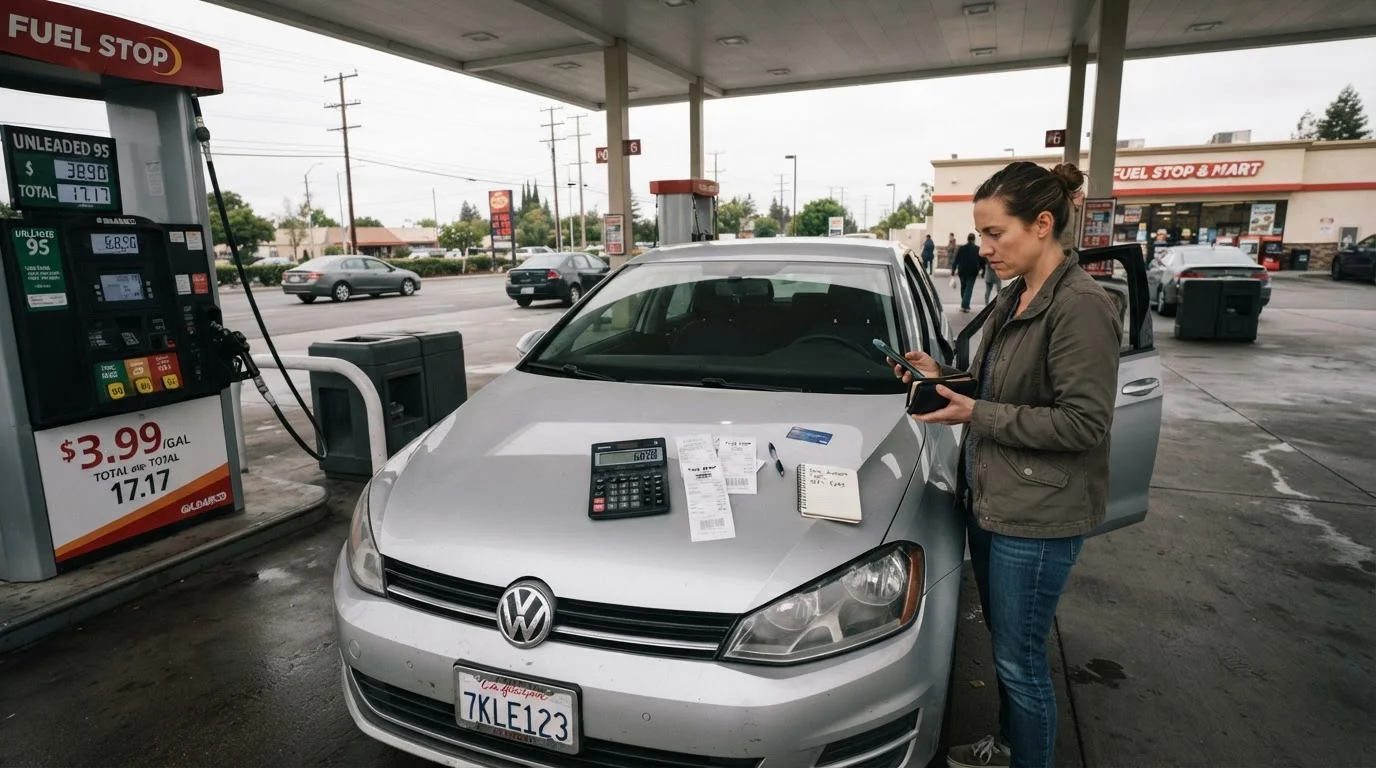
Why the Sticker Price Is Just the Starting Point
When most consumers shop for a vehicle, attention naturally gravitates toward the purchase price or monthly payment. But that figure represents only a fraction of what you'll actually spend. AAA's annual Your Driving Costs study has consistently found that the average American driver spends well over $10,000 per year operating a new vehicle - a figure that shocks many first-time buyers.
Understanding the full picture matters whether you're choosing between a new or used vehicle, or deciding how much car your budget can realistically support. This guide breaks down every major cost category so you can plan with accuracy, not optimism. For a foundational overview, our primer for first-time car owners is a useful companion read.
$10,000+
Average annual new vehicle ownership cost
According to AAA's Your Driving Costs study, the total annual cost of owning and operating a new vehicle regularly exceeds this threshold.
~50%
Value lost to depreciation in 5 years
Many new vehicles lose roughly half their original value within the first five years, making depreciation the largest single ownership cost.
$1,800-$2,400
Estimated annual fuel cost at 15,000 miles
Based on a 25 MPG vehicle and historical national average gas prices ranging between $3-$4 per gallon.
Depreciation: The Largest Hidden Cost
Depreciation - the loss of a vehicle's market value over time - is typically the single biggest ownership expense, yet it never shows up on a monthly statement. A new vehicle can lose 15-25% of its value in the first year alone, and around 50% within five years, depending on the make, segment, and market conditions.
Because depreciation is an unrealized cost (you don't pay it out of pocket each month), it's easy to ignore. But when you sell or trade in the vehicle, the difference between what you paid and what you receive is a real financial loss. Buyers who plan to keep a vehicle for 10+ years absorb depreciation more gradually, which is one reason long-term ownership often makes financial sense.
When comparing two vehicles, calculate the expected resale value at your planned ownership horizon - not just the purchase price. A vehicle with lower depreciation may cost less overall even if its sticker price is higher.
Depreciation is the largest cost most buyers never see on a bill, making it the most underestimated factor in total cost of ownership comparisons.
Request quotes for insurance on any specific vehicle before finalizing a purchase. Insurance costs can vary by hundreds of dollars annually between similarly priced vehicles due to safety ratings, theft rates, and repair costs.
Insurance is a mandatory, recurring cost that can meaningfully shift which vehicle is truly affordable - yet most buyers don't check it until after signing.
Insurance: A Mandatory and Variable Expense
Auto insurance is legally required in nearly every US state, and premiums vary dramatically based on your state, ZIP code, age, driving history, credit score (in most states), and the vehicle itself. According to data from the National Association of Insurance Commissioners (NAIC), average annual auto insurance expenditures in the US have risen steadily and now frequently exceed $1,000 per year for minimum coverage - with full coverage on a newer vehicle often running $1,500-$2,500 or more annually.
Factors within your control include your deductible level, bundling policies, and maintaining a clean driving record. Factors outside your control - like regional weather risk or local claims frequency - can make the same vehicle significantly more expensive to insure depending on where you live.
Minimum Coverage May Leave You Exposed
State minimum liability requirements are often insufficient to cover the real cost of a serious accident. If you carry only the legal minimum and cause significant property damage or medical expenses, you may be personally liable for costs beyond your policy limits. Evaluate your coverage needs carefully, especially if you have assets to protect.
Fuel Costs Over Time
Fuel is one of the most visible recurring costs, and it's highly sensitive to driving habits, local gas prices, and the vehicle's efficiency rating. A driver covering 15,000 miles annually in a vehicle averaging 25 MPG will consume roughly 600 gallons of fuel per year. At national average prices that have historically ranged between $3-$4 per gallon, that translates to $1,800-$2,400 in annual fuel costs alone.
Electric vehicles shift this cost to electricity, which is generally cheaper per mile but introduces charging infrastructure considerations. A data-driven look at lifetime fuel costs can help you model how fuel type and efficiency ratings affect your long-term spend.
Maintenance, Repairs, and Tires
Routine maintenance - oil changes, brake inspections, fluid flushes, filter replacements - runs between $500 and $1,000 per year for most vehicles under normal conditions. As a vehicle ages beyond 100,000 miles, repair frequency and cost tend to increase. Tires alone represent a significant line item: a set of four mid-range tires typically costs $400-$800 installed, and most drivers replace them every 3-6 years depending on mileage and driving style.
Skipping recommended maintenance to save money in the short term often results in larger repair bills later. Following the manufacturer's maintenance schedule - not necessarily the more aggressive intervals sometimes suggested at service centers - is generally the most cost-effective approach. Use the annual car ownership cost checklist to track every recurring expense year by year.
Follow the Manufacturer Schedule, Not the Upsell
Many service centers recommend oil changes and other services more frequently than the manufacturer actually requires. Consulting your owner's manual - not the interval printed on a shop sticker - is the most reliable guide to what your vehicle actually needs. This alone can save hundreds of dollars per year without compromising reliability.
Fees, Taxes, and Other Recurring Costs
Beyond the headline costs, a range of fees and taxes accumulate each year. Registration and title fees vary by state but commonly range from $100 to $400 annually. State and local taxes on the purchase itself can add thousands to the upfront cost. Parking, tolls, car washes, and roadside assistance plans are additional line items that rarely come up in dealership conversations but are real budget considerations.
Hidden ownership costs that new car buyers often overlook covers many of these expenses in depth. Financing costs - interest paid on an auto loan - are another significant factor; a five-year loan at a high interest rate can add $3,000-$5,000 or more to the total cost of a vehicle.
How to Build a Realistic Annual Car Budget
A practical approach is to add up all anticipated costs annually rather than focusing solely on a monthly loan payment. Start with your estimated depreciation (divide the expected value loss over your ownership period), then layer in insurance, fuel, maintenance, registration, and a repair reserve. A widely cited rule of thumb suggests budgeting roughly $0.50-$0.70 per mile driven when all costs are combined - a useful cross-check against your monthly estimates.
For broader financial planning context, it's worth noting that vehicle ownership parallels homeownership in the way recurring and unexpected costs compound beyond the initial purchase - see the true cost of owning a home beyond the mortgage for a parallel look at that expense structure. For vehicle-specific purchase guidance, the car buying tips hub offers additional resources for making confident decisions.
Costs Vary Widely by Vehicle Type and Region
Pickup trucks and SUVs typically carry higher insurance, fuel, and tire costs than compact sedans. Urban drivers may face higher insurance premiums and parking costs, while rural drivers often log more miles. Any national average figure should be treated as a baseline; your actual costs will depend heavily on where you live and how you drive.
This article is for general informational purposes only and does not constitute financial or legal advice. Consult a qualified financial professional for guidance specific to your circumstances.