Why a Framework Matters Before You Book
A national parks road trip is one of America's most iconic travel experiences - but it's also one of the easiest to under-plan. With more than 400 units managed by the National Park Service (NPS), ranging from towering mountain ranges to subtropical swamps, the sheer scale of what's available can send even enthusiastic travelers into planning paralysis.
The travelers who get the most out of these trips are the ones who build a clear structure before they ever touch a booking site. That means identifying a realistic region, understanding reservation windows, matching the pace to the group's actual stamina, and knowing which logistical surprises - limited cell coverage, permit lotteries, gravel roads - are likely to show up.
This guide provides that framework. Whether you're planning a first foray to one iconic park or stringing together a two-week circuit across the Southwest, the same planning principles apply. For a broader look at how to build any trip from scratch, see our end-to-end trip planning guide.
400+
National Park Service units in the US
The NPS manages over 400 units spanning national parks, monuments, seashores, recreation areas, and historic sites across all 50 states.
85M+
Acres of federally protected land
The National Park System protects more than 85 million acres of land, representing a vast range of ecosystems and landscapes.
12-13M
Annual visits to Great Smoky Mountains
Great Smoky Mountains consistently ranks as the most visited national park, drawing over 12 million visitors in recent years according to NPS data.
Choosing Your Route: Park Types and Regional Clusters
Rather than thinking about individual parks in isolation, experienced road-trippers think in regional clusters - groups of parks and public lands close enough to visit on a single loop without excessive backtracking.
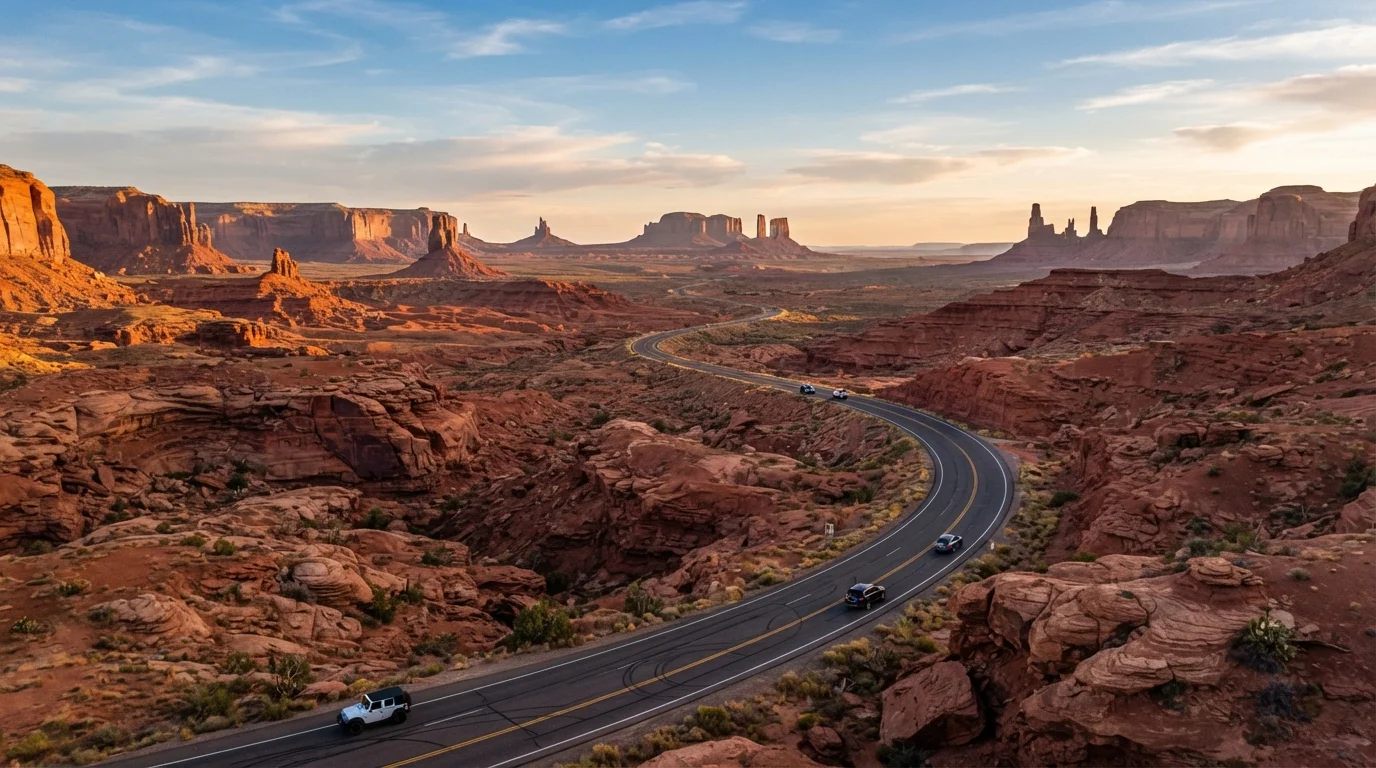
- Southwest Colorado Plateau: Grand Canyon, Zion, Bryce Canyon, Arches, Canyonlands, and Capitol Reef can form a logical loop from Las Vegas or Salt Lake City. Distances between parks range from 1.5 to 4 hours.
- Northern Rockies: Yellowstone and Grand Teton anchor this cluster, with Glacier as an extension. These parks are larger, requiring more time inside each one.
- Pacific Coast: Olympic, Mount Rainier, Crater Lake, and Redwood string together along the Pacific Coast and Cascade corridor.
- Southeast and Appalachia: Great Smoky Mountains is the most-visited national park in the country. Shenandoah and New River Gorge are reachable additions for East Coast travelers.
Park types also shape the experience. Some parks are best explored on foot via day hikes; others reward multi-day backcountry trips; still others - like Acadia or Cuyahoga Valley - are designed for casual visitors with paved roads and short accessible trails. Match the park type to your group's interests and fitness level before committing to a route.
When building a Southwest loop, sequence your parks from lowest to highest elevation - your body acclimates gradually, and you'll feel the difference on your hiking days.
Altitude adjustment takes 24-48 hours for most people; starting at lower-elevation parks like the Grand Canyon rim before ascending to Bryce or Zion reduces fatigue and improves the experience.
Search for 'gateway towns' adjacent to your target parks and consider basing yourself there for two or more nights rather than moving camp every day.
Towns like Moab (near Arches and Canyonlands), Gardiner (Yellowstone), and Springdale (Zion) offer lodging, resupply, and a home base that eliminates daily pack-up logistics and cuts fuel costs.
Permits, Passes, and Reservation Systems
This is where many road trips go sideways. Entrance reservations and timed-entry permits have become standard at many heavily visited parks, including Zion, Rocky Mountain, Glacier, and Acadia, among others. Requirements change seasonally and year to year, so always verify current conditions directly on the official NPS website (nps.gov) before finalizing any itinerary.
Verify Permit Requirements Before Every Visit
Timed-entry permit systems and reservation requirements at national parks change frequently - sometimes seasonally, sometimes year to year. A permit that wasn't required for a park two years ago may be mandatory today. Always check the official NPS page for each specific park you plan to visit well before your travel dates, and have a backup plan if permits are unavailable for your target dates.
The America the Beautiful - National Parks and Federal Recreational Lands Pass covers entrance fees for the pass holder and accompanying passengers at most NPS sites, USDA Forest Service lands, Bureau of Land Management areas, and more. At $80 per year (as of the most recent published pricing), it often pays for itself in a single multi-park trip. Senior, military, and access (disability) versions are available at reduced or no cost - check the official USGS store for current eligibility details.
Campground reservations are a separate system from entrance permits. Recreation.gov handles most NPS campground bookings, and popular sites at Yosemite, Yellowstone, and Zion can fill up months ahead of the high season. Identifying your campgrounds early - and having backup options - is just as important as planning your driving route.
Timing Your Trip: Seasons and Crowd Cycles
Summer (June-August) draws the highest visitor numbers to almost every park in the country. Trails are accessible, days are long, and gateway towns are fully operational - but parking lots fill before 8 a.m. at top destinations, and campgrounds book out fast.
Shoulder seasons (April-May and September-October) are widely regarded as the sweet spot for many parks. Temperatures moderate, crowds thin, and wildflower blooms or fall foliage add visual drama. Some high-elevation roads - like Trail Ridge Road in Rocky Mountain NP or Going-to-the-Sun Road in Glacier - may not open until late May or June depending on snowpack.
Winter transforms parks dramatically. Many services close, roads may be inaccessible, and backcountry travel carries serious hazard - but visitors who go prepared find solitude and beauty that summer crowds never see. Death Valley, Big Bend, and Everglades are parks where winter is genuinely peak season.
Shoulder Season Is Often the Smart Choice
Mid-September through October and late April through May offer a genuine improvement in crowd levels at most western parks without the trade-offs of winter closures. Temperatures are typically mild for hiking, and the quality of light for photography is excellent. If your schedule allows any flexibility, shifting even one week away from peak summer dates can meaningfully change the experience.
If you're traveling with children, timing considerations intersect with school schedules, physical stamina, and activity variety. Our family travel planning guide covers how to pace itineraries when kids are part of the equation.
Skill-Level Planning: From First-Timer to Experienced Road Tripper
A planning framework should reflect the group's actual experience level - not an aspirational version of it.
First-Timers
Focus on one region, two to three parks maximum over seven to ten days. Choose parks with well-developed visitor infrastructure (paved roads, ranger programs, lodges or developed campgrounds). The Southwest loop - starting with Zion and Bryce - is a consistently rewarding entry point. Avoid overloading the itinerary; see our piece on common itinerary-building mistakes before you finalize your days.
Intermediate Travelers
Expand to four to six parks across a defined corridor, with a mix of front-country and light backcountry experiences. Begin researching permit systems three to six months out, particularly for overnight trails like the Narrows in Zion or the Half Dome cables in Yosemite.
Experienced Road Trippers
Multi-week circuits across two or three regional clusters are realistic with careful logistics planning. Factor in vehicle capability (high-clearance 4WD opens access to backcountry roads), flexible booking windows, and the physical demands of high elevation and remote camping. Connectivity will be limited - download offline maps and park PDFs before departure.
Driving Distances, Daily Pacing, and Buffer Days
Road distances in the American West are genuinely large. What looks like a manageable gap on a map can easily be a four- to five-hour drive on two-lane highways with no services. A good rule of thumb: plan for no more than 3-4 hours of driving on any single day that also includes meaningful park time.
Build at least one buffer day into every week of travel. Unexpected road closures, a hike that takes longer than planned, or simply finding a place so beautiful you don't want to leave - all of these are real. Buffer days transform those moments from stressful schedule disruptions into spontaneous highlights.
For a thorough walkthrough of routing, vehicle preparation, and per-day driving strategy, our road trip readiness guide covers the mechanics in full detail.
Don't Underestimate Western Driving Distances
Mapping apps calculate driving time under ideal conditions. Mountain roads, construction zones, and slow-moving RV traffic can add significant time to any leg. A route that looks like three hours on screen may take four and a half in practice - and arriving at a campground after dark in an unfamiliar location adds real stress. Schedule driving conservatively and let the parks - not the miles - be the centerpiece of each day.
Practical Logistics: Fuel, Connectivity, and Safety
A few logistics that regularly catch travelers off guard:
- Fuel: Gas stations inside parks are rare and sometimes seasonal. In remote stretches of Utah, Nevada, and Montana, fuel stops can be 60-100 miles apart. Top off whenever you're above a half tank.
- Cell coverage: Assume limited to no cell coverage inside most parks. Download offline maps (Google Maps, Gaia GPS, or AllTrails offline packs) before entering any park. Download your campground confirmation details and NPS offline guides as well.
- Altitude: Parks like Rocky Mountain, Grand Teton, and Bryce Canyon have visitor areas above 8,000 feet. Altitude affects energy levels and hydration. Plan lighter activity for the first day at elevation.
- Wildlife: Follow all posted NPS guidelines for wildlife encounters. Keeping a safe distance from animals - including seemingly docile bison or deer - is both a safety requirement and a federal regulation in most parks.
For travelers considering international destinations after this trip, our international travel planning reference covers passports, visas, and entry requirements for US citizens heading abroad. The national parks, though, offer an extraordinary range of experiences - dramatic enough that many travelers find themselves planning the next domestic road trip before the current one is even finished.
Explore more travel ideas and unique experiences across the country through our travel experiences hub.