Why Iceland Has a Steeper Learning Curve Than It Looks
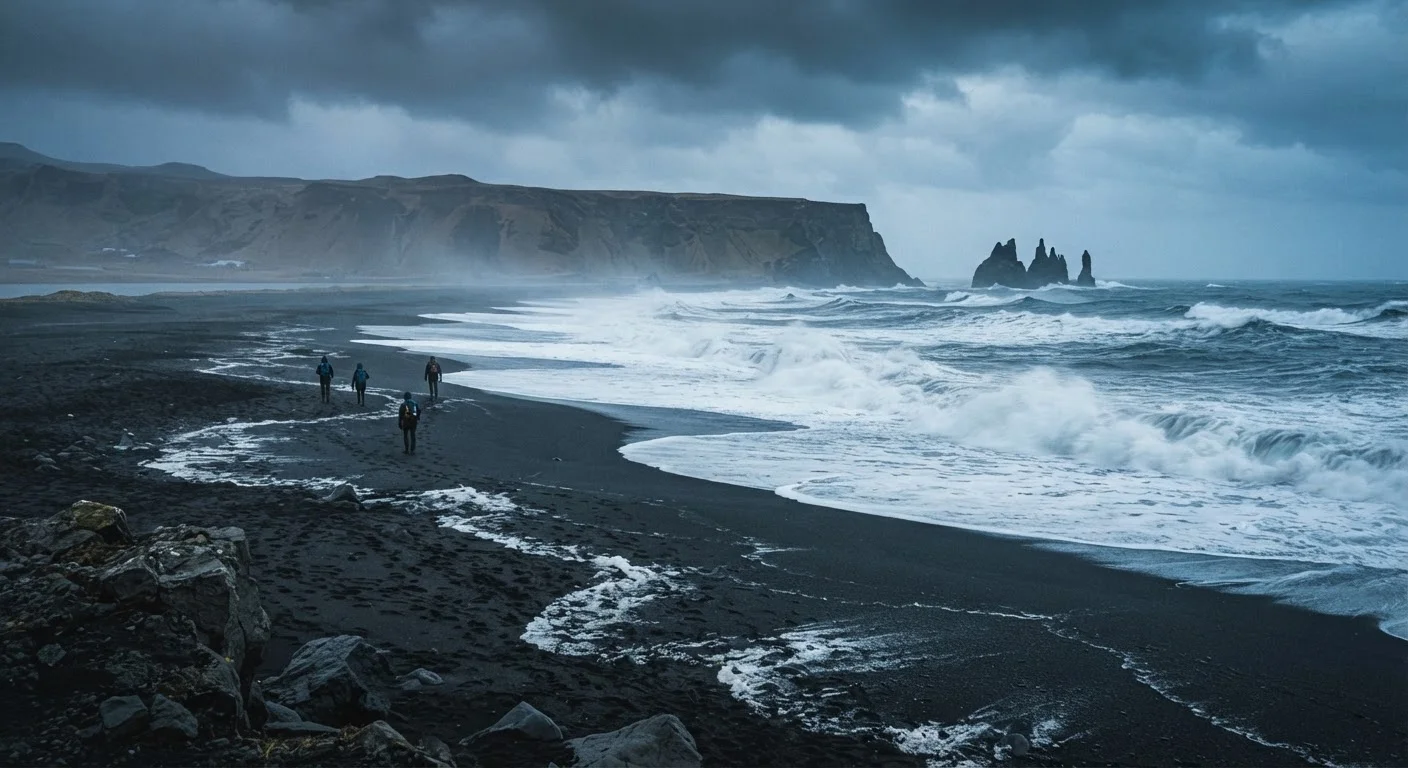
Iceland sits at the intersection of the North Atlantic and Arctic Circle, which gives it some of the world's most dramatic scenery - and some of its least forgiving travel conditions. Visitors who arrive expecting a straightforward European road trip often find themselves scrambling to adapt. The good news: a little advance knowledge goes a long way. As with common trip planning myths, the surprises are almost always avoidable with the right preparation.
Iceland rewards travelers who plan flexibly, pack smart, and understand that the country operates on its own terms - not the other way around.
830 mi
Length of Iceland's Ring Road
The full Ring Road (Route 1) encircles the island and takes most travelers at least 7-10 days to drive comfortably with stops.
~24 hrs
Daylight during peak summer solstice
Around the summer solstice, Reykjavik experiences nearly continuous daylight, which can profoundly disrupt sleep patterns for unprepared visitors.
4-5 hrs
Daylight in midwinter Iceland
December and January bring as few as four to five hours of usable daylight near Reykjavik, compressing sightseeing windows dramatically.
The Mistakes That Catch Visitors Off Guard
These aren't obscure edge cases. They're patterns that show up again and again, often because Iceland looks deceptively manageable from afar. Here's what to genuinely watch for before and during your trip.
Trusting a single day's weather forecast for the whole trip.
Why it happens: Travelers often check conditions once before departure and assume Iceland's weather follows predictable patterns like other destinations.
Assuming a short trip is enough to cover the highlights.
Why it happens: Photos of Iceland's iconic landmarks - Jökulsárlón glacier lagoon, Skógafoss waterfall, the Snæfellsnes Peninsula - make them look geographically close when they're not.
Expecting to see the northern lights on demand.
Why it happens: Marketing around Iceland often features spectacular aurora imagery, leading visitors to expect a reliable nightly show.
Underbudgeting for daily expenses.
Why it happens: Iceland's stunning scenery makes it feel like a wilderness adventure, which travelers sometimes mentally conflate with affordability.
Skipping the F-roads without checking vehicle rental restrictions.
Why it happens: Highland interior roads (marked with an 'F' prefix) look accessible on standard maps, and visitors don't realize most rental agreements prohibit regular cars on them.
Road Conditions Can Change Without Warning
Many of Iceland's most scenic routes - including portions of the famous Ring Road - can become impassable due to sudden weather events. The Icelandic Road and Coastal Administration (Vegagerðin) maintains a real-time road condition website that travelers should check every single morning before driving. Never assume a road that was clear yesterday is safe today.
Beyond road conditions and distance, the light - or lack of it - is one of Iceland's biggest wild cards. Summer visitors encounter the midnight sun, which makes blackout curtains in your accommodation an absolute necessity for restful sleep. Winter visitors face the opposite: a compressed window of usable daylight that demands tight scheduling around outdoor activities. Neither phenomenon is bad, but both catch travelers off guard when they haven't planned for them.
If you're curious how Iceland's dramatic seasonal swings compare to the appeal of visiting destinations in their quieter periods, misconceptions about off-season travel are worth understanding before you finalize your travel window.
Don't Underestimate Driving Time Between Stops
The Ring Road around Iceland spans roughly 830 miles, and many visitors assume they can reach multiple major attractions in a single afternoon. Speed limits are strictly enforced - generally 90 km/h (56 mph) on paved roads and just 80 km/h on gravel - and detours to popular sites add significant time. Always build far more buffer into your daily itinerary than you think you'll need.
Setting Realistic Expectations Before You Go
Iceland is genuinely one of the world's most extraordinary destinations - but it's one best approached with honest expectations rather than picture-perfect assumptions. The travelers who come away most satisfied tend to share a few things in common: they built flexibility into each day, they verified road and weather conditions constantly, and they embraced detours when conditions changed their original plans.
Unlike some destinations where sightseeing checklists drive the entire experience, Iceland often gives its best moments to those willing to slow down. A geyser erupts whether or not you're on schedule. A glacier hike reveals more than any photograph. The country has a way of rewriting your itinerary - and that's often the best thing that happens.
Check the trip planning tips hub for more practical frameworks to build your Iceland journey with confidence.