Why Cultural Tours Demand a Different Kind of Preparation
A well-run cultural tour can be one of travel's most meaningful experiences - offering access to traditions, perspectives, and communities that standard sightseeing simply doesn't reach. But meaningful experiences don't happen by accident. They require deliberate preparation that goes well beyond packing the right clothes.
Unlike a resort stay or a museum visit, cultural tours involve real engagement with living communities. That dynamic raises important questions: Is the operator treating host communities fairly? Are you equipped to participate respectfully? Do you understand the context of what you're about to witness? This checklist helps you answer those questions before you spend a dollar or board a plane.
For broader logistics you might be overlooking - transit gaps, buffer days, activity pacing - our guide to common itinerary oversights is a useful companion read.
Operator Vetting
Entry and Safety Requirements
Cultural and Contextual Preparation
On-Tour Participation
Tools and Resources to Have Ready
Working through this checklist efficiently means having the right information sources at your fingertips. None of these require paid subscriptions - just a bit of focused time before you commit to a booking.
Official Government Travel Advisory Portal
Check current travel advisories, visa requirements, and entry rules for your destination directly from your government.
Destination Country's Tourism Authority Website
Verify cultural site access rules, local regulations, and officially recognized cultural tour programs.
Independent Traveler Review Platforms
Read unfiltered accounts from past tour participants to evaluate operator ethics and guide quality.
Local Library or Digital Book Service
Access books and long-form journalism written by regional authors to build genuine cultural context before you arrive.
Language Learning App
Learn basic greetings and courteous phrases in the local language to demonstrate respect from your first interaction.
Preparing Yourself for Respectful Participation
Operator vetting is only half the equation. How you show up matters just as much as who you book with. Cultural humility - the genuine willingness to observe, listen, and follow community-defined boundaries - is the foundation of responsible cultural travel.
Start by researching the destination's social norms around dress, photography, religious spaces, and gender dynamics. Even a few hours of reading can prevent accidental disrespect that no apology fully undoes. If language permits, learn a handful of greetings or courteous phrases in the local language; the effort alone communicates goodwill.
Photography Consent Is Never Assumed
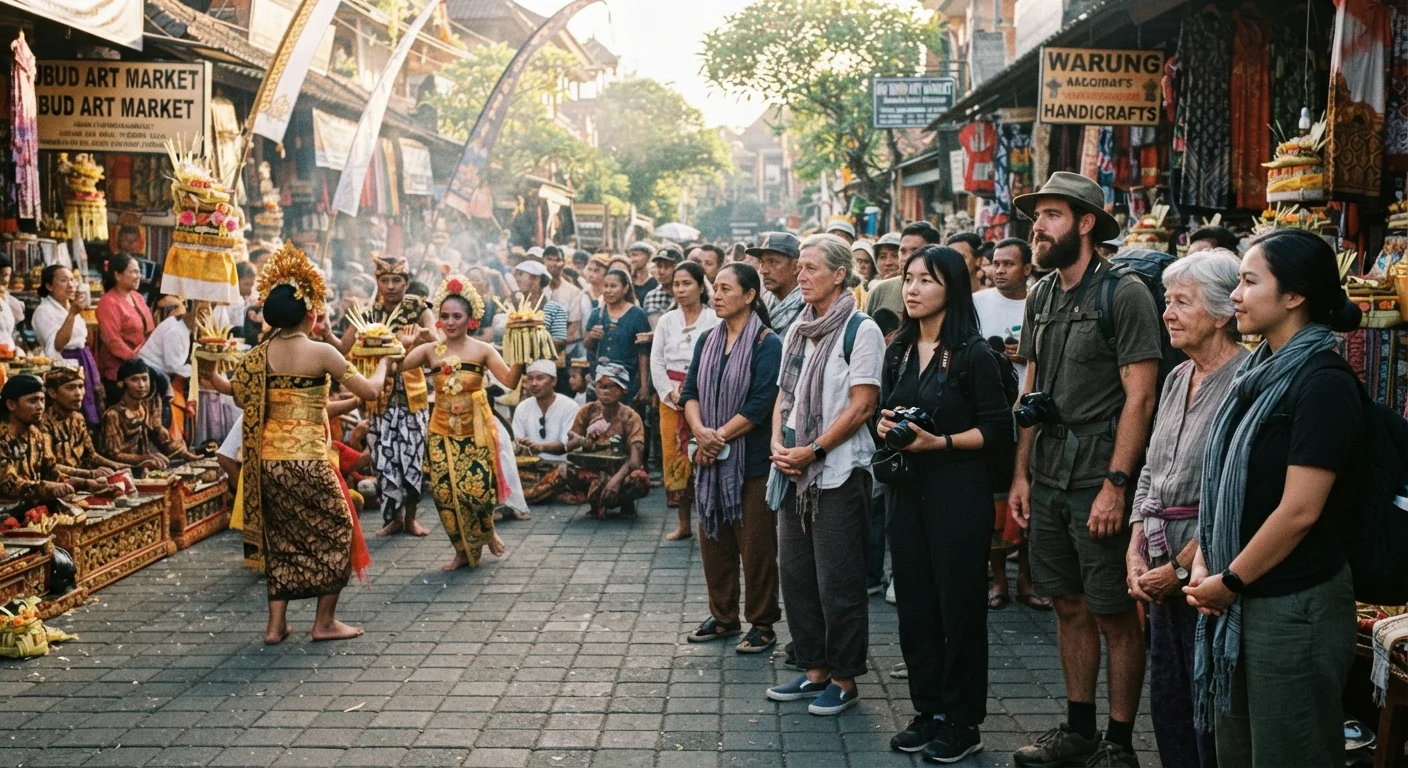
One of the most common - and most damaging - missteps on cultural tours is photographing people, ceremonies, or sacred objects without explicit permission. Many communities have strong spiritual or personal objections to being photographed by outsiders, and no tour price grants that right. Always ask your guide first, then ask the individual if directed to do so. When in doubt, put the camera away and simply be present.
If your tour involves an international destination, cross-reference the full logistics checklist in our pre-trip international preparation guide, which covers visas, health documentation, and entry rules. And for any experience involving wildlife, our ethical wildlife encounter guide applies equally rigorous standards worth reviewing.
Finally, build breathing room into your schedule. Rushed cultural immersion often produces surface-level impressions and can feel extractive rather than reciprocal. Our trip planning hub has practical strategies for pacing any itinerary thoughtfully.
Verify Official Requirements Directly
Entry rules, health requirements, and travel advisories change without notice and vary by nationality. Never rely solely on a tour operator or third-party site for this information. Always check your own government's official travel portal and the destination country's official immigration or tourism authority before finalizing any plans.