
Why Wildlife Tourism Deserves a Closer Look
Wildlife encounters rank among the most memorable moments travelers describe - the morning a humpback whale surfaced twenty feet from the boat, the afternoon a mountain gorilla crossed the trail ahead. These experiences have real power. They also exist within a global industry that ranges from genuinely conservation-driven to deeply exploitative, often with very similar marketing language.
Understanding how to tell the difference is one of the most practical skills a thoughtful traveler can develop. It doesn't require becoming an expert in animal behavior - it requires knowing what questions to ask and what signals to read. If you're building out a broader trip, our international travel planning reference is a strong starting point for the logistics around destinations where wildlife experiences are common.
What 'Ethical' Actually Means Here
In wildlife tourism, 'ethical' generally refers to experiences that do not cause physical or psychological harm to animals, do not disrupt natural behaviors, and ideally contribute to conservation or habitat protection. Because the term is unregulated, any operator can use it freely - which is exactly why independent research is essential before you book.
Reading the Red Flags
Certain features of a wildlife experience are reliable warning signs regardless of how the operator markets itself. Being able to spot these quickly puts you in a much stronger position as a consumer and as a traveler.
- Animals on chains, ropes, or in small cages during visitor interaction hours
- Performances or trained behaviors - animals painting, dancing, playing instruments, or posing on command
- Abnormally docile wild animals that permit handling - often a sign of sedation or severe conditioning
- No staff supervising visitor behavior around animals
- Photography pricing structures built around proximity rather than animal consent
By contrast, a well-run experience will have clear visitor conduct guidelines, knowledgeable guides who prioritize the animal's behavior over your camera angle, and a transparent story about where operational revenue goes.
Research the operator's conservation credentials before booking any wildlife experience.
Legitimacy varies enormously across wildlife tourism operators. Organizations affiliated with recognized wildlife welfare bodies or conservation NGOs are far more likely to apply genuine animal-welfare standards. Vague language like 'eco-friendly' without supporting evidence should prompt deeper questions.
Observe animals in their natural habitat rather than in enclosures or performance settings.
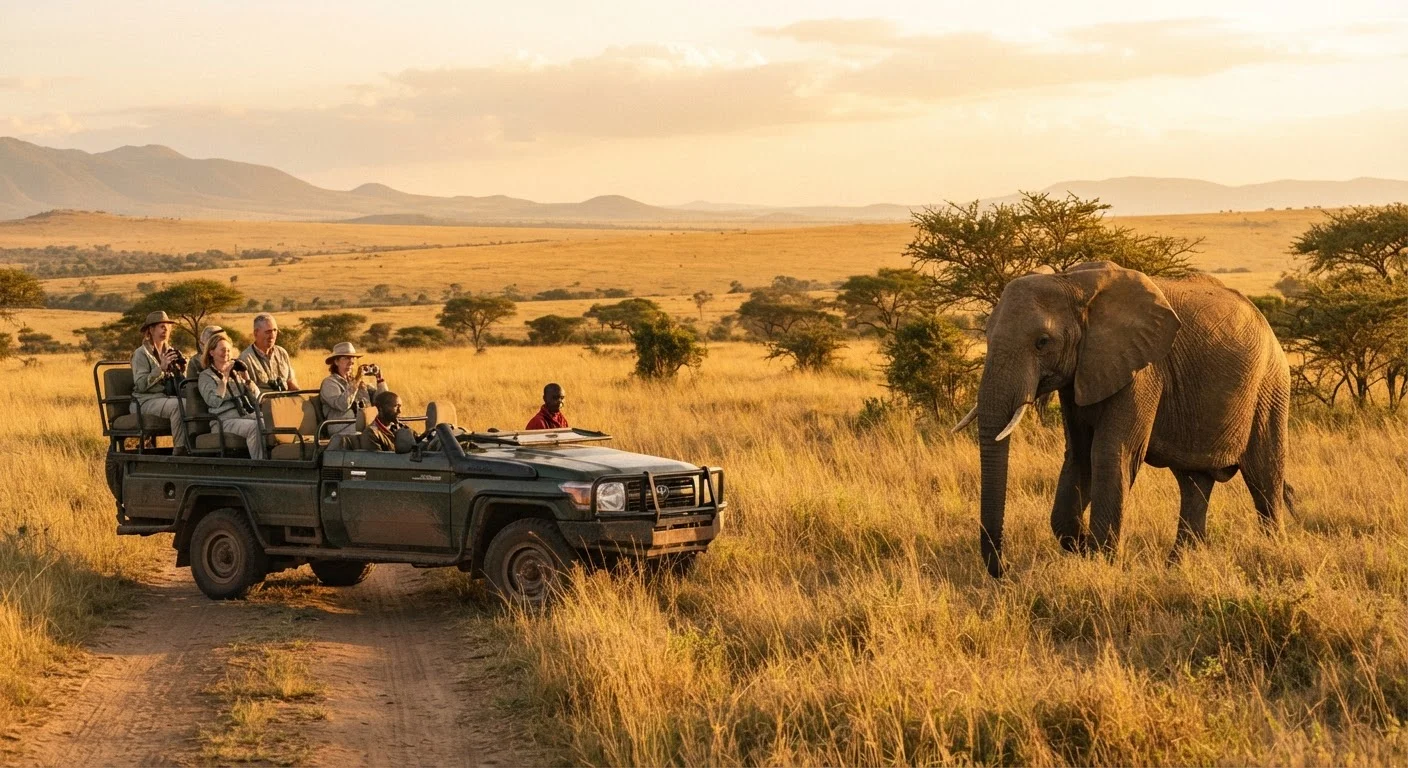
Wild animals displaying natural behaviors - foraging, socializing, moving freely - signal that the encounter is structured around the animal's life, not a tourist itinerary. Captive or performing animals are often subject to stressful conditioning that is invisible to visitors at the point of experience.
Refuse any experience that involves riding, direct physical contact, or animal performances.
Elephant riding, swimming with captive dolphins, and trained animal shows consistently involve methods that compromise animal welfare, even when marketing frames them as harmless fun. Physical contact also increases disease transmission risk for both animals and visitors.
Follow guide instructions and maintain a respectful distance at all times.
Approaching too closely, using flash photography, or making sudden sounds can trigger stress responses in wildlife, disrupt feeding or breeding, and in rare cases provoke dangerous behavior. Distance guidelines exist to protect animals first and visitors second.
Ask where your entrance fee or donation goes before paying.
Revenue transparency is a reliable proxy for an operator's actual commitment to conservation. Legitimate sanctuaries and parks can typically explain how funds support animal care, habitat preservation, or community anti-poaching programs.
Making It Part of How You Travel
Ethical wildlife encounters aren't a niche interest - they're part of a broader shift in how engaged travelers engage with destinations. The same curiosity that leads someone to a local market rather than a hotel buffet (see our guide to culinary travel with intention) applies equally to how they choose wildlife experiences.
Before booking a cultural or nature-based experience, it's worth running through a basic ethics checklist - similar to what we outline in our cultural tour preparation guide. The questions overlap more than you might expect: Who benefits from this experience? Are the people and creatures involved treated with dignity? Is money flowing toward preservation or extraction?
“The wildlife and its habitat cannot speak for itself. It is up to those who visit to be the voice of conscience that shapes how tourism treats living creatures.”
— Jane Goodall, Primatologist and founder of the Jane Goodall Institute
Wildlife tourism done well can be transformative for travelers and meaningful for conservation. Getting there starts with being willing to ask harder questions before you arrive.