Why the Language Fear Looms So Large
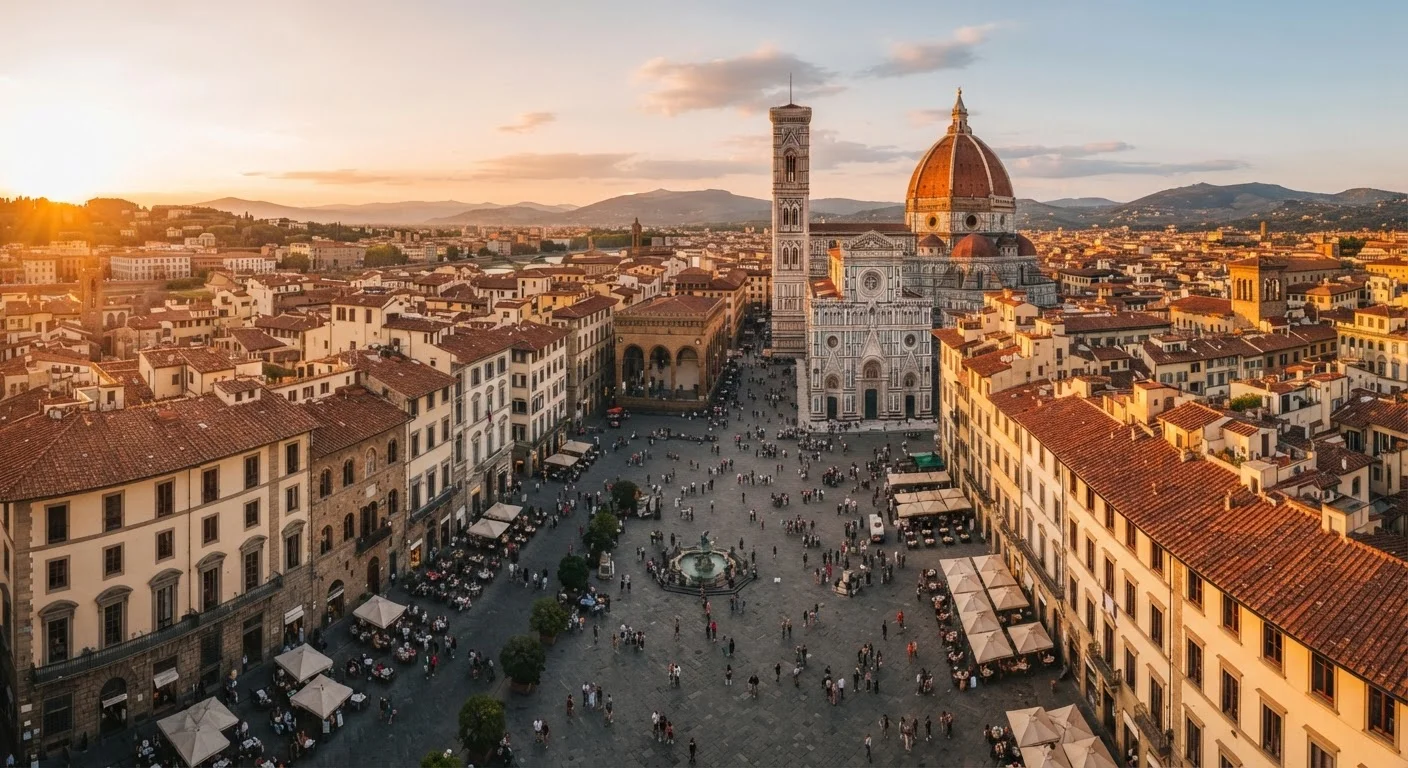
Ask someone why they've never visited Japan, Morocco, or rural Portugal, and a familiar answer surfaces: "I don't speak the language." It's an understandable concern - but it's also one of the most overstated obstacles in travel. The reality, as millions of non-fluent travelers discover each year, is far more nuanced than the fear suggests.
Language barriers exist on a spectrum. At one end, you have situations where communication gaps are mostly minor inconveniences. At the other, there are genuine challenges - medical emergencies, legal situations, remote travel - where limited local language ability carries real risk. The trouble is that most travelers can't easily tell which is which before they go.
That uncertainty is exactly what keeps people from destinations that could genuinely change how they see the world. Our travel planning myths piece digs into several fears like this one that quietly distort trip decisions. Here, we zero in specifically on language - what it actually blocks, and what it emphatically doesn't.
Myth
If you don't speak the local language, you won't be able to get around or communicate at all.
Fact
Most destinations popular with international travelers have enough English signage, tourism infrastructure, and translation tools available to make basic navigation very manageable.
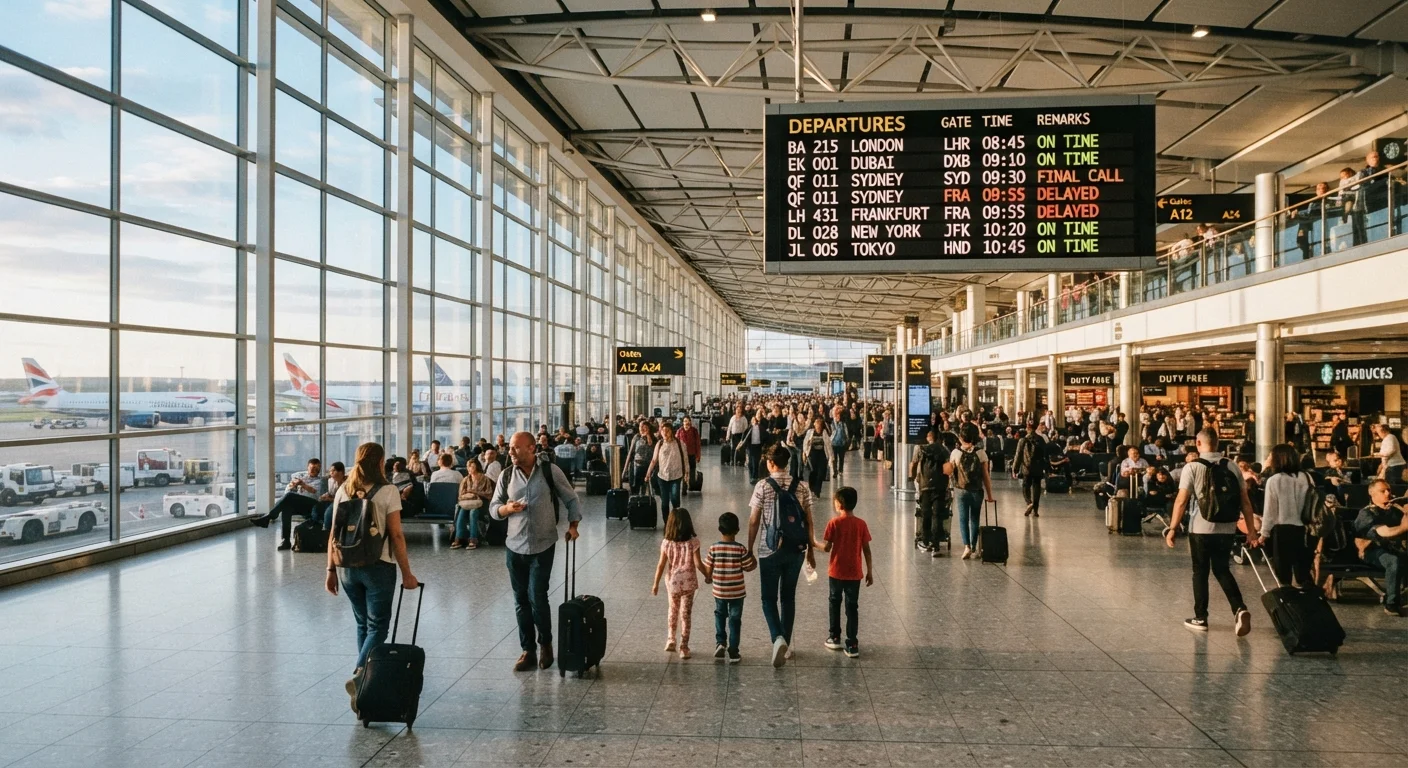
English is widely used in airports, hotels, major transit hubs, and tourist areas across much of Europe, Southeast Asia, and Latin America. Translation apps with camera features can read menus, signs, and labels in real time. Gesture-based communication, maps, and pointing at written text handle an enormous range of everyday interactions. Getting around without local fluency is genuinely possible in the vast majority of tourist-frequented destinations.
Myth
You need to be fluent in a language to have a meaningful, immersive experience in a country.
Fact
Depth of experience depends far more on curiosity, openness, and preparation than on linguistic fluency.
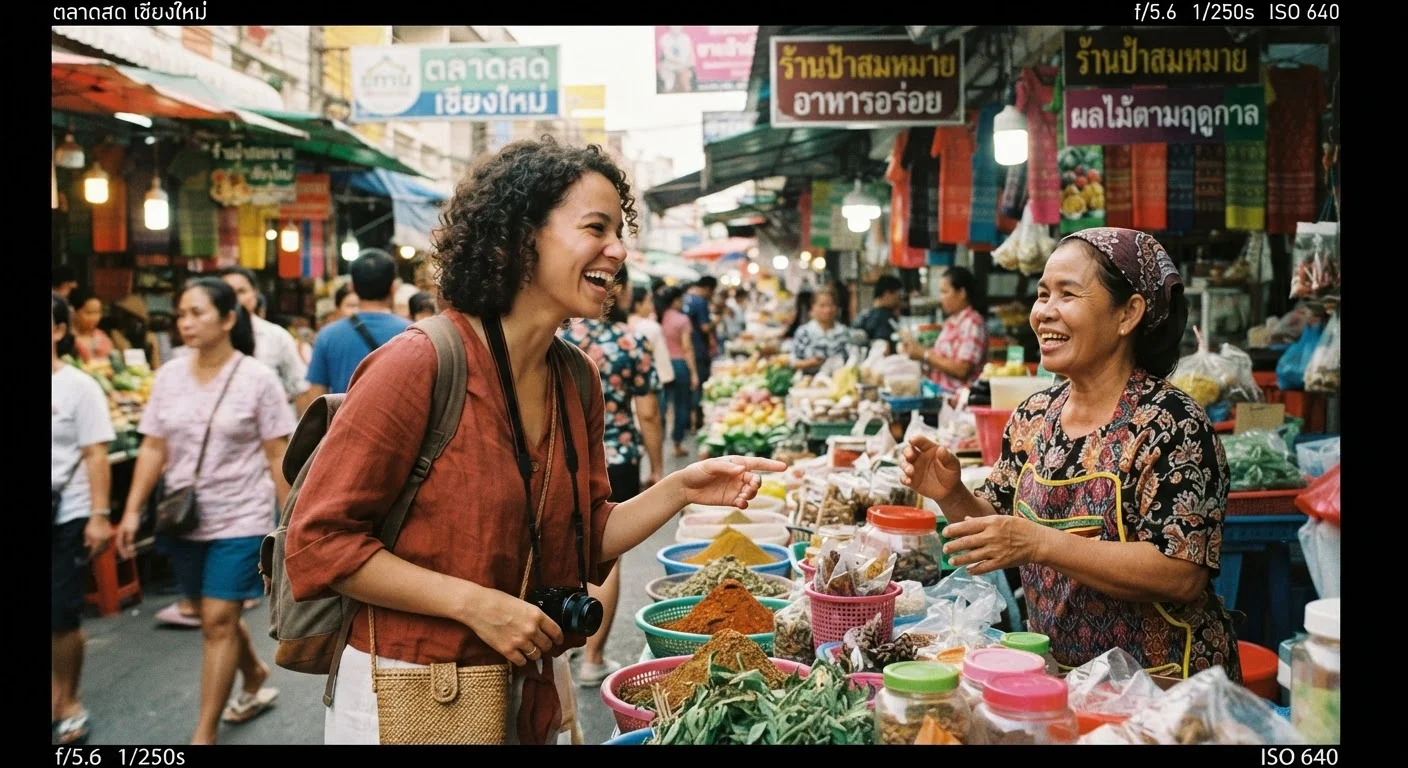
Meaningful travel happens through shared meals, watching daily life unfold, participating in local customs, and making the effort to engage - not through grammar drills. Many travelers report their most memorable moments came from wordless exchanges: a shared laugh, a local showing them the right bus stop unprompted, a chef explaining a dish through gestures. That said, fluency does unlock layers of nuance and spontaneous connection that non-speakers may miss, so the relationship between language and depth isn't zero - it's just not the gatekeeper it's often made out to be.
Myth
Translation apps are unreliable novelties that can't be trusted for real travel situations.
Fact
Modern translation apps have improved dramatically and handle common travel scenarios with reasonable accuracy, though they aren't foolproof for complex or high-stakes communication.
For ordering food, asking for directions, reading a sign, or conducting a basic transaction, current translation technology - including real-time camera translation and voice input - performs well enough to be genuinely useful. Nuanced medical, legal, or emotional conversations are still where machine translation struggles. Knowing the difference matters: use apps confidently for logistics, but don't rely on them alone in situations where precision is critical.
Myth
Locals will be rude or unhelpful if you can't speak their language.
Fact
In most destinations, travelers who show basic courtesy and make a genuine effort - even imperfectly - are met with patience and goodwill far more often than hostility.
Traveler surveys and firsthand accounts consistently describe locals in most countries as willing to assist visitors who approach interactions respectfully. The frustration that does occasionally arise is more often linked to how visitors communicate - loudly repeating English, skipping polite phrases, showing impatience - than to the language gap itself. Learning even a few words of greeting in the local language shifts the dynamic noticeably. It signals that you see the place as more than a backdrop, and that effort is widely recognized and appreciated.
Myth
Language barriers are equally manageable in every travel situation.
Fact
Routine tourism and emergency or medical situations present very different levels of risk when you don't speak the local language.
Ordering lunch with a translation app is a low-stakes scenario where communication gaps are easy to navigate. Describing symptoms to a doctor, interacting with police, signing a legal document, or handling a travel emergency are high-stakes situations where precision matters enormously. In these contexts, relying on apps or improvised gestures can lead to serious misunderstandings. Travelers heading to destinations with limited English-language medical or emergency services should research interpreter access, consider travel assistance plans (consult a licensed professional about coverage options), and note embassy contact information before departure.
Where Language Gaps Do - and Don't - Matter Most
Once you strip away the myths, a clearer picture emerges. Day-to-day tourism - ordering food, using transit, finding your accommodation, visiting attractions - is increasingly navigable without local fluency. Tourism infrastructure in most destinations is built to accommodate international visitors, and translation technology has genuinely shifted the landscape in recent years.
What language proficiency does unlock is depth. Spontaneous conversations with locals, understanding jokes or nuance, reading between the lines of cultural context - these are the experiences that living like a local often hinges on. You can travel richly without fluency, but you may be engaging with a curated, tourist-facing version of a place rather than its full texture.
Don't Underestimate High-Stakes Communication Gaps
Medical emergencies, legal situations, and remote travel in areas with very limited English infrastructure are contexts where a language barrier carries real risk - not just inconvenience. Before traveling to regions where English support may be limited, research how to contact local emergency services, locate the nearest facility with interpreter access, and note your country's embassy or consulate contact details. Verify entry and safety requirements with official government sources before you travel.
The practical upside? Even modest effort with language pays outsized dividends. Learning a handful of polite phrases - greetings, thank-you, excuse me, please - signals genuine respect and frequently opens doors that pure English-reliance keeps closed. And for anything beyond the basics, preparation matters more than fluency: downloading offline translation apps before you land, carrying a written card with your accommodation address in the local script, and researching how to access emergency services in your destination all go a long way. For more on trip-level planning gaps travelers commonly miss, see what travelers overlook when building an itinerary.
The language barrier in travel is real - but it's also far more porous than fear suggests. With the right mindset and a few practical tools, it becomes less a wall and more a door you just haven't opened yet.