Why Solo Travel Is Worth the Leap
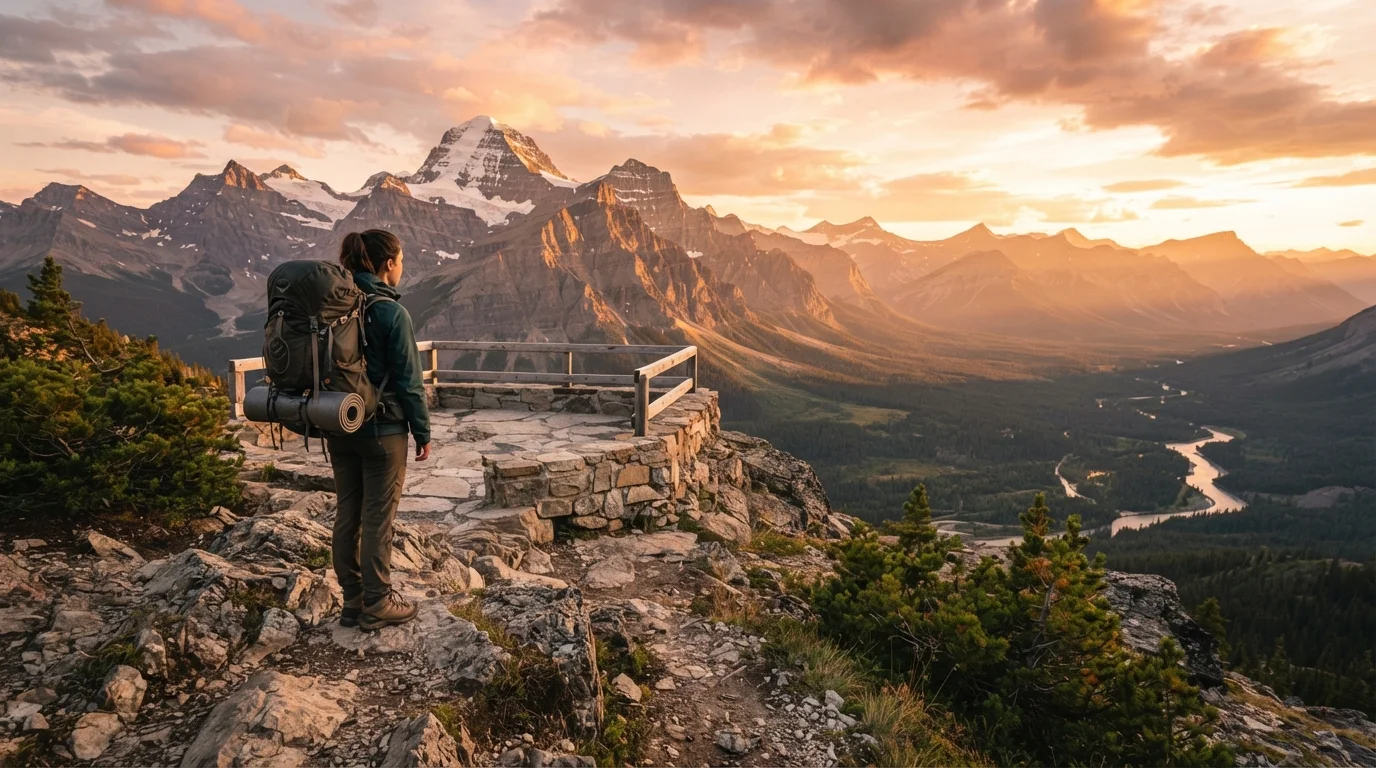
Traveling alone for the first time can feel like standing at the edge of a diving board - thrilling and terrifying in equal measure. But here's what experienced solo travelers consistently report: the moment you navigate a foreign transit system, order a meal in a language you're still learning, or find yourself watching a sunset from a viewpoint you discovered on a whim, something shifts. You realize you're more capable than you thought.
Solo travel forces a kind of creative self-reliance that group trips rarely demand. Every decision - where to eat, how long to linger, when to turn around - is yours. That freedom is the point. You move at your own pace, follow your own curiosity, and collect experiences that are genuinely yours.
For a deeper look at how to structure any trip from scratch, see our end-to-end trip planning guide. And if building pre-trip confidence is your main hurdle, this companion piece on solo travel confidence is a great place to start.
Single supplement
An extra fee charged to solo travelers who occupy a room or cabin alone - since pricing is often set per room, not per person. It's common in hotels and cruise bookings.
Travel advisory
An official government warning or notice about safety conditions in a specific country or region. Always check your own government's advisory site before booking international travel.
Itinerary
A planned schedule of your trip - including destinations, dates, accommodation details, and key activities. Sharing this with someone at home is a basic solo travel safety habit.
Emergency buffer
An extra amount of money set aside beyond your planned travel budget to cover unexpected costs like medical expenses, delays, or last-minute accommodation changes.
Tourism infrastructure
The systems and services that support travelers in a destination - including public transport, hotels, signage, and tourist information. Strong infrastructure makes independent navigation much easier.
Choosing Your First Solo Destination
Destination choice is the single biggest variable in how smoothly your first solo trip goes. A few factors make some places more beginner-friendly than others:
- Tourism infrastructure: Well-developed public transport, a range of accommodation options, and tourist-facing services reduce logistical friction considerably.
- English availability: Signage, menus, and locals comfortable with English lower the communication barrier when you're still finding your footing.
- Traveler community: Destinations popular with independent travelers mean you're never far from someone who's navigated the same questions.
- Safety profile: Check your government's official travel advisory page before committing to any destination. Conditions change, and official sources are the most reliable reference.
Domestic travel is an underrated starting point. A city you've never visited in your own country carries far fewer unknowns - same currency, same language, no passport anxiety - while still delivering the solo experience. Once you've nailed that, an international trip feels far more manageable.
Explore our destination guides for practical insights on popular choices. If a major metro appeals to you, our NYC first-timer guide is a strong reference. Heading abroad? Our Southeast Asia overview covers the regional context you'll need before planning.
Planning, Budgeting, and Booking
Solo travel planning follows the same core logic as any trip, with one important difference: every cost falls on one person. Budget honestly.
Start by estimating a realistic daily spend for your chosen destination - accommodation, meals, local transport, and a few activities. Research typical price ranges using traveler forums and destination-specific resources, not just promotional sites. Then add an emergency buffer of at least 10-15% on top of your total. Unexpected costs (a missed bus, a medical co-pay, an extra night) are a normal part of travel, not a failure of planning.
Build in at Least One Buffer Day
First-time solo travelers benefit enormously from scheduling at least one unplanned day mid-trip. Use it to recover, revisit a place you loved, or simply follow a spontaneous recommendation. A rigid itinerary leaves no room for the unexpected discoveries that often become trip highlights.
On the booking side, solo travelers often pay a single-supplement fee for private rooms - factor this in when comparing accommodation costs. Hostels with private rooms can offer a middle ground: your own space with the social energy of a shared traveler environment. Flexible booking policies are worth prioritizing for a first trip; the ability to cancel or modify without penalty gives you room to adapt.
Keep digital and physical copies of your passport, insurance details, accommodation confirmations, and emergency contacts. Store digital copies somewhere accessible even without cell service.
Safety Basics Every Solo Traveler Should Know
Safety awareness is a skill, not a personality type. A few consistent habits cover most situations:
- Share your itinerary: Before you leave, give someone at home a copy of your rough plan - where you're staying, key dates, and how to reach you. Check in periodically.
- Stay situationally aware: Knowing what's around you - who's nearby, where the exits are, what the local norms are - is the most basic form of travel safety. Trust your instincts; if a situation feels off, leave it.
- Research local laws and customs: What's acceptable in one country can be illegal or deeply disrespectful in another. A quick review before you arrive prevents awkward or serious missteps.
- Keep valuables low-profile: Flashy gear and visible cash mark you as a target. A modest bag, a money belt, and awareness of your surroundings are practical deterrents.
- Know your emergency numbers: Save local emergency contacts, your country's embassy or consulate number, and your travel insurer's emergency line before you need them.
Don't Rely on Secondhand Entry Information
Visa rules, vaccination requirements, and border policies can change with little notice. Blog posts and travel forums - however current they appear - are not authoritative sources. Always verify entry requirements directly through your government's official travel portal and the destination country's consulate or embassy before booking.
For entry requirements - visas, vaccinations, border rules - always verify directly with official government sources and the destination country's embassy well in advance of travel. These details change, and secondhand information can be dangerously outdated.
Building Confidence on the Road
Here's a truth that every experienced solo traveler knows: you won't feel fully confident before you go. Confidence is built on the road, not in preparation. The first time you navigate an unfamiliar city alone, the second time feels half as hard.
A few habits accelerate the process:
- Start with a structured first day: Book your first night's accommodation in advance and know how to get there from the airport. Removing that first-day uncertainty frees up mental energy for everything else.
- Talk to people: Fellow travelers, hotel staff, café owners - small conversations build local knowledge and counter the isolation that can sneak up on solo travelers.
- Give yourself permission to rest: Solo travel doesn't require constant activity. A quiet afternoon reading in a park is a legitimate travel experience.
- Debrief what worked: At the end of each day, note what went smoothly and what you'd handle differently. This reflection compounds into real skill over a week-long trip.
Explore more travel experiences and independent travel styles to find the approach that fits you best. Your first solo trip is the beginning of a practice - one that gets richer every time you go.