Why Southeast Asia Isn't One Destination
When travelers say "I'm going to Southeast Asia," they're really describing a continent-scale decision packed into three words. The region spans eleven sovereign nations - from Myanmar in the northwest to the Philippines in the east - each with its own language family, religion, political system, currency, and culinary identity. Treating it as a monolith is the first mistake first-timers make.
Thailand and Singapore feel dramatically different from Laos and Timor-Leste. The pace, infrastructure, cost, and cultural expectations shift the moment you cross a border. That's not a warning - it's actually the appeal. But it does mean you need to make specific choices rather than booking a vague "Southeast Asia trip."
Start by picking a geographic cluster that makes logistical sense. The mainland arc (Thailand, Vietnam, Cambodia, Laos) connects reasonably well by bus, train, and short-haul flight. Island-hopping in Indonesia is a separate beast entirely. Singapore works brilliantly as a hub airport, but it's one of the region's priciest destinations. Deciding which countries genuinely interest you - rather than which ones you've seen on a travel reel - is the most useful first step.
Visa on arrival
A visa you obtain at the border or airport when you arrive, rather than applying in advance. Not all nationalities qualify for every country's visa-on-arrival option.
E-visa
An electronic visa applied for online before travel. You receive approval digitally and present it at the border - no embassy visit required.
Monsoon season
A period of heavy seasonal rainfall that affects different parts of Southeast Asia at different times of year. Timing your trip around monsoon patterns can significantly affect your experience.
Travel medicine clinic
A medical facility specializing in health preparation for international travel, including destination-specific vaccinations and advice on disease prevention.
Responsible tourism
Traveling in ways that minimize negative impacts on local communities, economies, and environments - and actively support local well-being where possible.
Country-by-Country Snapshot
Here's a fast-read orientation on the four countries first-timers most commonly consider:
- Thailand: The most tourism-ready country in the region, with extensive English signage, a well-worn backpacker trail, and a wide range of accommodation from guesthouses to luxury resorts. Highlights span Bangkok's energy, northern mountain culture in Chiang Mai, and southern island beaches.
- Vietnam: Long and geographically varied, running from Hanoi in the north to Ho Chi Minh City in the south. Cuisine is a major draw; so is history. Train travel is an option here that's genuinely worthwhile.
- Cambodia: Angkor Wat alone draws millions of visitors, and rightly so - it's one of the world's most extraordinary archaeological sites. The country is compact and easy to combine with Thailand or Vietnam. Infrastructure is developing, and responsible tourism choices carry extra weight here.
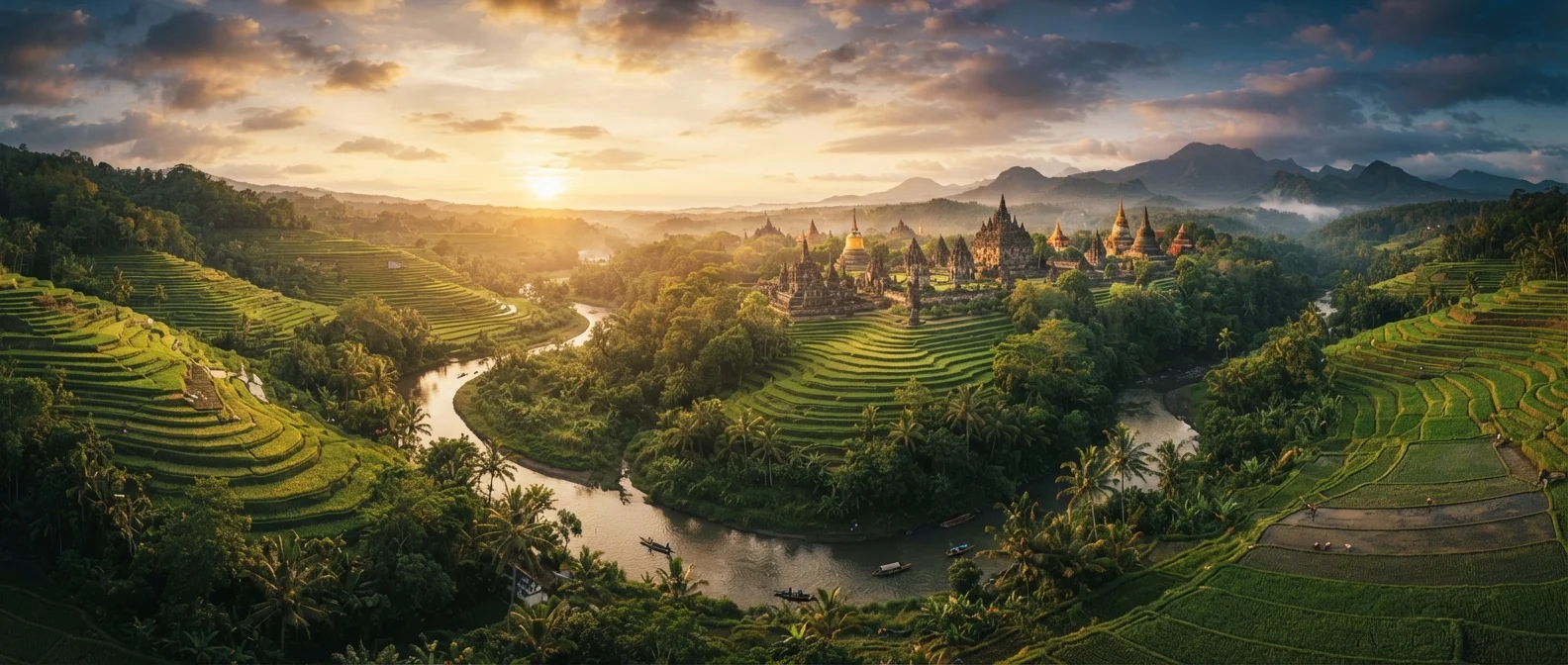
- Indonesia: Over 17,000 islands, meaning Bali and Java don't represent the whole picture. Bali's cultural density and relative accessibility make it a natural entry point, but adventurous travelers find Lombok, Flores, and Sulawesi equally memorable.
If you're planning your first solo trip abroad, see our ground-up solo travel guide for destination selection and confidence-building strategies that apply directly to this region.
Visas, Entry Rules, and Health Prep
Entry requirements change - sometimes with little public notice - so the information below is a general orientation only. Always verify current rules with official government sources and the relevant embassy before you travel.
Verify Entry Requirements Before Booking
Visa policies across Southeast Asia change without much warning, and information found on travel blogs or forums can be out of date. Always check the official embassy website for your destination country and your government's travel advisory page before you purchase any flights. Getting this wrong at the border is one of the most avoidable - and most stressful - travel mistakes.
As a general pattern: Thailand has offered visa-free entry to US citizens for short stays; Vietnam has expanded its e-visa system; Cambodia offers e-visas and visas on arrival; Indonesia's Bali has a visa-on-arrival option. Singapore is visa-free for short stays for most Western passport holders. Rules for Myanmar and other countries are more complex and subject to change.
On the health side, consult a travel medicine clinic or your physician several weeks before departure - not the week before your flight. Recommended vaccinations for some Southeast Asian destinations can include hepatitis A, typhoid, and others depending on your itinerary and health history. Malaria prophylaxis may be relevant for rural areas in certain countries. For a practical pre-trip checklist covering documentation, health prep, and connectivity, see our pre-trip preparation guide.
Getting Around Within and Between Countries
Transportation in Southeast Asia rewards flexibility and punishes rigid itineraries. Within cities, ride-hailing apps (widely available across the region) are usually the easiest option for first-timers. Tuk-tuks and motorbike taxis exist everywhere and are culturally authentic, but agree on a price before you climb in.
Between cities, budget airlines connect major hubs across the region cheaply and quickly - often faster than overland travel. Overnight buses and trains are economical and free up a night's accommodation, though comfort levels vary considerably. Overnight trains in Vietnam, for instance, are a genuine travel experience worth considering.
Book Flexibility Into Your Itinerary
Southeast Asia has a way of surprising even well-prepared travelers - a weather delay, an unmissable local festival, or a fellow traveler's tip can completely reshape your plans. Building buffer days into your schedule isn't wasted time; it's what transforms a good trip into a great one. Avoid back-to-back non-refundable bookings for every night of a long trip.
Between countries, short-haul flights are increasingly affordable and worth comparing against overland crossings, especially for longer distances. Land border crossings between Thailand, Cambodia, and Vietnam are well-traveled but require research on current crossing conditions and scam awareness. Ferry routes connect southern Thailand to Malaysia and island chains throughout Indonesia.
For a broader view of less conventional ways to experience the region - river journeys, heritage trails - see travel formats worth considering.
Cultural Norms Every First-Timer Should Know
Respectful travel in Southeast Asia isn't complicated, but it does require some advance awareness. A few principles apply broadly across the region:
- Temple dress codes are real: Shoulders and knees should be covered when entering religious sites. Many temples provide sarongs to borrow, but carrying a light scarf is simpler.
- The head and feet carry symbolic weight: In many Buddhist cultures, the head is considered sacred and the feet unclean. Avoid touching someone's head and don't point your feet at people or sacred objects.
- Removing shoes: You'll be asked to remove footwear before entering temples, some homes, and certain shops. Look for the pile of shoes at the entrance as your cue.
- Bargaining etiquette: Expected in markets, not appropriate in restaurants or fixed-price shops. Approach it as a friendly exchange, not a contest.
- Public displays and tone: Loud arguments or visible frustration are generally considered face-losing in many Southeast Asian cultures. Maintaining a calm, polite tone - even when things go wrong - goes a long way.
If you're heading out solo and still building your travel confidence, our article on solo travel confidence covers the mindset shifts that make navigating unfamiliar cultures significantly easier.
This article is for general informational and educational purposes only. Entry requirements, visa rules, health recommendations, and travel advisories change frequently. Always verify current information with official government sources, your country's foreign affairs department, and a qualified healthcare professional before traveling.