Why Ownership Cost Myths Are Financially Dangerous
Car ownership is one of the largest recurring expenses in most American households - yet the decisions surrounding it are often guided by assumptions that don't hold up to scrutiny. Whether it's underestimating depreciation, overestimating EV savings timelines, or skipping maintenance to save money today, these misconceptions quietly drain household budgets. Understanding what actually drives the cost of owning a vehicle is the first step toward managing those costs effectively.
The myths below represent some of the most common - and most costly - misunderstandings about vehicle ownership expenses. They apply broadly across vehicle types, price points, and driver situations. For misconceptions specifically tied to the car-buying process itself, see how buying myths cost shoppers real money.
Myth
A newer car is always cheaper to maintain than an older one.
Fact
Newer vehicles can carry higher repair costs due to complex technology, and their higher purchase prices and insurance premiums may outweigh reliability gains.
Modern vehicles are packed with advanced driver-assistance systems, turbocharged engines, and electronic components that require specialized tools and trained technicians. A routine sensor replacement on a late-model vehicle can cost several times what a comparable repair on a simpler older model would. Additionally, newer cars depreciate rapidly in early years and often carry higher comprehensive and collision insurance costs. The full picture of ownership - not just the service interval - determines which is truly cheaper. See how older and newer vehicles compare on total ownership cost for a detailed breakdown.
Myth
Electric vehicles save you money right away compared to gas-powered cars.
Fact
EVs typically have higher purchase prices that can take several years to offset through fuel and maintenance savings, depending on driving habits and electricity rates.
The math on EV savings is real - but it's long-term math. Lower per-mile energy costs and reduced brake and oil maintenance do add up, but only after you account for the often substantial price premium at purchase. Home charging equipment installation adds cost. In regions where electricity rates are high or where drivers cover fewer miles annually, the break-even point can extend beyond five years. For a full comparison of what each powertrain actually costs to operate, review the long-term cost breakdown between gas and electric vehicles.
Myth
Skipping oil changes and minor maintenance saves money.
Fact
Deferred maintenance consistently leads to larger, more expensive mechanical failures that far exceed the cost of the skipped service.
Engine oil lubricates critical components. When it degrades without replacement, friction accelerates wear on parts that cost thousands to repair or replace. The same logic applies to coolant flushes, brake fluid, and air filters. A $75 oil change skipped twice can contribute to engine damage that runs into four figures. Consistent, scheduled maintenance is one of the highest-return financial habits a vehicle owner can build. Explore essential maintenance knowledge to understand what services genuinely matter and when.
Myth
Your credit score doesn't significantly affect what you pay to own a car.
Fact
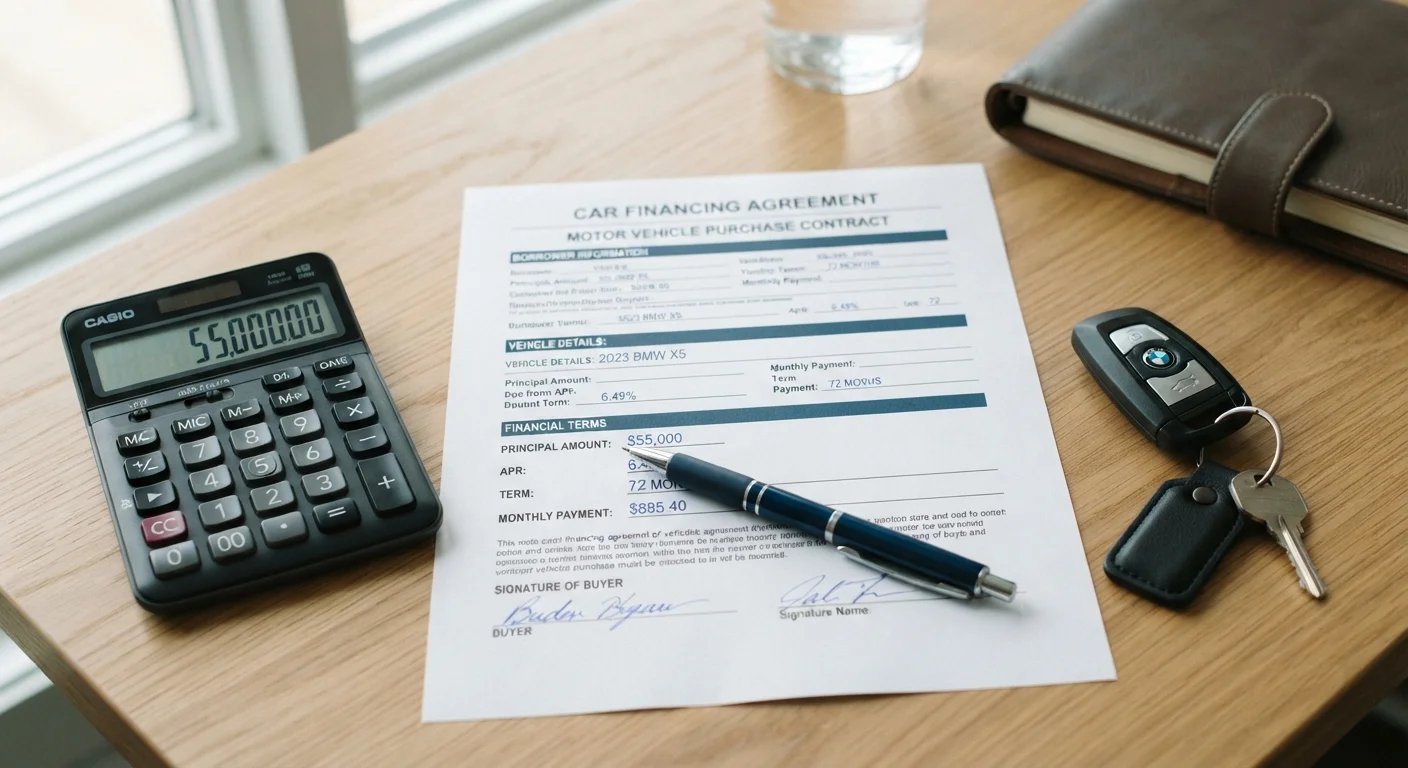
Credit score directly impacts your auto loan interest rate, which can add thousands of dollars to the total cost of a financed vehicle.
On a typical 60-month auto loan, the difference between a strong and a poor credit score can mean interest rates that differ by several percentage points. On a $30,000 vehicle, that gap can translate to $3,000-$5,000 or more in additional interest over the loan term. Borrowers who improve their credit before financing - even by a few months - can meaningfully reduce total ownership cost. This is general information; consult a financial professional for guidance specific to your situation.
Myth
Red cars cost more to insure because insurers charge a premium for the color.
Fact
Vehicle color has no effect on insurance premiums; insurers base rates on make, model, driver record, location, and usage.
This myth is remarkably persistent, but no major U.S. insurer uses exterior color as a rating factor. What actually drives your premium includes the vehicle's safety ratings, its statistical theft and claim frequency, your driving history, your ZIP code, and how many miles you drive annually. Focusing on these real variables - not color - is the productive path to managing insurance costs. For broader guidance on making smart vehicle decisions, see car buying tips for navigating new and used vehicle purchases.
Myth
Fuel costs are the dominant ongoing expense for most vehicle owners.
Fact
Depreciation typically costs vehicle owners more than fuel, insurance, or maintenance in most ownership scenarios.
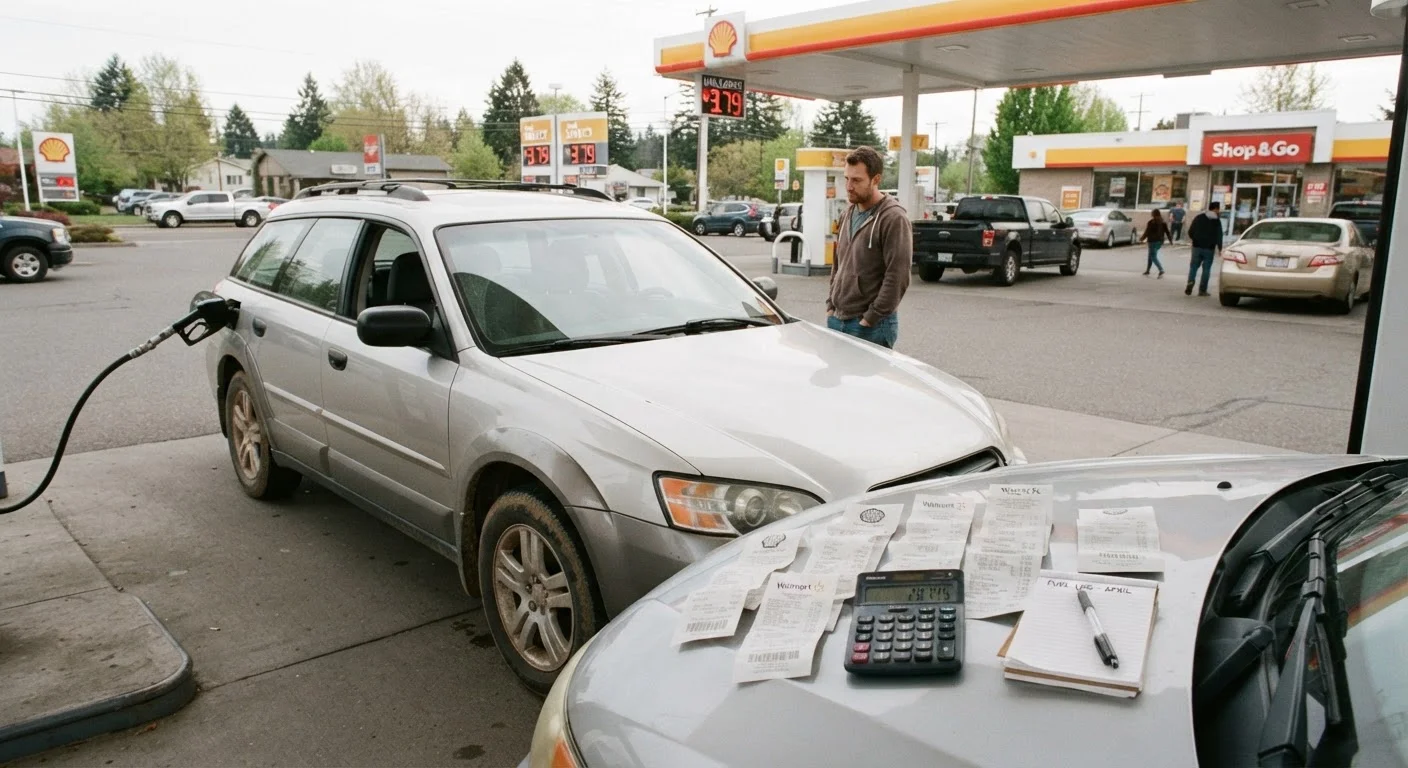
Fuel is visible and frequent - you feel it every fill-up - which makes it feel like the biggest expense. But depreciation is silent and continuous. A new vehicle losing 15-20% of its value in the first year represents a real financial loss that most owners don't track. When calculating the true cost of ownership, it helps to include depreciation, financing costs, insurance, taxes, registration, maintenance, and fuel together. Practical financial habits for vehicle owners can help you account for all of these factors systematically.
Building a Clearer Picture of What You Actually Pay
The most reliable way to avoid ownership cost surprises is to calculate total cost of ownership before committing to a vehicle - not just the monthly payment. That means accounting for depreciation rate, insurance tier, expected fuel or energy cost, scheduled maintenance, and likely repair frequency based on reliability data.
Depreciation Is Your Biggest Expense
Most drivers focus on gas and insurance, but depreciation - the loss of a vehicle's value over time - typically represents the single largest ownership cost over a vehicle's life. Industry estimates often place depreciation at 40-50% of a new vehicle's value within the first five years. Understanding this helps you make smarter decisions about vehicle type and purchase timing.
Insurance is another area where assumptions mislead. Many drivers choose minimum coverage to reduce premiums without fully understanding what they're exposed to after an accident. Similarly, drivers who assume color or brand loyalty affects their rate may miss more meaningful factors they can actually influence - like their deductible level, bundling policies, or reducing annual mileage.
Don't Underinsure to Cut Monthly Costs
Carrying only your state's minimum liability coverage might lower your monthly premium, but it can leave you personally responsible for repair or medical costs that exceed those limits after an accident. Gap coverage and comprehensive protection exist for meaningful financial reasons. Review your actual risk exposure before dropping coverage to save a few dollars per month.
Misconceptions about homeownership costs follow similar patterns - if you're evaluating major asset decisions broadly, common myths about homeownership costs offers a useful parallel read. For vehicle-specific financial habits that hold up over time, practical strategies for keeping car costs in check covers the proactive steps that actually move the needle.
~$12,000
Average annual cost to own a new vehicle
According to AAA's annual Your Driving Costs study, when factoring in depreciation, insurance, fuel, maintenance, and financing.
40-50%
New vehicle value lost in first five years
Industry estimates consistently show new cars lose a substantial portion of their purchase value through depreciation within the first five years of ownership.
Varies widely
EV break-even timeline vs. gas vehicles
Break-even on electric vehicle purchase price premiums depends on local electricity rates, annual mileage, and available incentives - and can range from 3 to 8+ years.
This article is for general informational purposes only and does not constitute financial or legal advice. Consult a qualified financial professional for guidance specific to your situation.