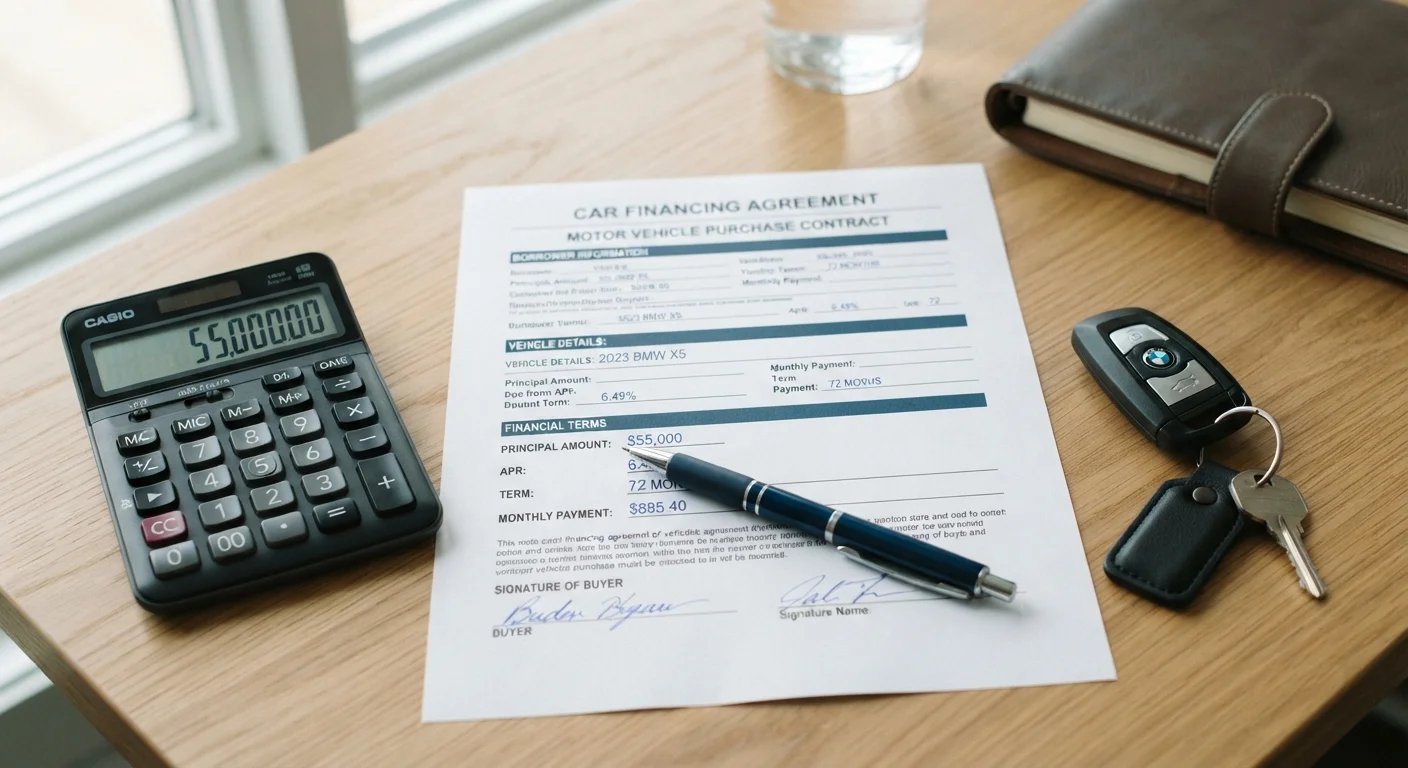

Why Car Costs Drift Out of Control
For most US households, vehicle ownership is the second-largest recurring expense after housing. Yet unlike rent or a mortgage payment, car costs are unusually fragmented - fuel here, an insurance renewal there, an unplanned repair that wipes out a month's discretionary budget. That fragmentation makes them easy to underestimate and hard to manage without deliberate habits.
The good news is that the biggest cost leaks are also the most preventable. Research consistently shows that deferred maintenance, infrequent insurance review, and inefficient fueling behaviors account for a disproportionate share of avoidable vehicle spending. See our annual car ownership cost checklist for a full breakdown of recurring expenses worth tracking each year.
~$12,000
Average annual cost of vehicle ownership in the US
According to AAA's annual Your Driving Costs study, when factoring in fuel, maintenance, tires, insurance, registration, and depreciation, the average annual cost for a new vehicle has consistently exceeded $10,000.
15-30%
Fuel economy reduction from under-inflated tires and poor habits
The US Department of Energy estimates that driving behavior and basic maintenance factors like tire inflation can affect fuel economy by a meaningful percentage across typical driving conditions.
Maintenance Habits That Pay for Themselves
Routine servicing is the most reliable lever a vehicle owner controls. Manufacturer-recommended intervals - for oil changes, brake inspections, tire rotations, and fluid checks - exist because engineers know exactly where wear accumulates. Ignoring those intervals doesn't save money; it shifts costs forward, usually at a higher price. Our guide on maintenance tasks drivers commonly skip shows which omissions tend to produce the largest repair bills.
High-mileage vehicles deserve extra attention. After 100,000 miles, some components that were previously stable begin wearing faster - see what changes about maintenance after 100,000 miles for specifics. Similarly, seasonal transitions affect tires, batteries, and fluids in ways that are easy to overlook until something fails.
Follow manufacturer maintenance intervals rather than stretching them for short-term savings.
Skipping or delaying scheduled services - oil changes, brake inspections, coolant flushes - allows small problems to compound. A neglected timing belt, for example, can cause engine damage that costs many times more than the belt replacement itself.
Review your auto insurance policy at least once per year, not just at renewal.
Coverage needs change as vehicles age, driving patterns shift, and life circumstances evolve. A policy that made sense three years ago may now carry riders you no longer need or gaps that leave you exposed.
Drive smoothly and anticipate stops to improve fuel efficiency and reduce brake wear.
Aggressive acceleration and hard braking consume more fuel and accelerate brake pad wear simultaneously - two costs in one habit. Anticipatory, steady driving reduces both without any additional investment.
Keep tires inflated to the vehicle manufacturer's recommended pressure, not the tire sidewall maximum.
Under-inflated tires increase rolling resistance, reducing fuel economy and causing uneven tread wear that shortens tire life. The correct pressure is listed on the driver's door jamb sticker, not the tire itself.
Budget monthly for vehicle costs rather than treating them as unpredictable events.
Annual registration, tire replacement, and periodic major services are largely predictable. Treating them as surprises leads to deferred maintenance when cash flow is tight, which compounds costs over time.
Insurance and Fuel: The Two Costs Most Drivers Under-Manage
Auto insurance is a fixed-looking cost that is actually quite variable if you engage with it. Premiums shift with driving record changes, vehicle age, and local risk factors - but many policyholders simply auto-renew without reviewing their coverage structure. An annual review allows you to confirm that deductibles, liability limits, and optional riders still match your actual situation.
Fuel is the most visible daily cost of ownership, yet driving behavior - not just price at the pump - is the primary variable a driver controls. Aggressive acceleration and late braking can reduce fuel efficiency by a measurable margin compared with steady, anticipatory driving. Keeping tires properly inflated is another simple step with a documented effect on fuel economy; our tire care overview covers inflation basics and rotation schedules. For a longer-horizon view of what fuel spending actually looks like, see fuel costs over a car's lifetime.
Building Habits That Hold Up Over Time
One-time fixes rarely move the needle on long-term vehicle costs. What works is systematizing the behavior so it doesn't depend on memory or motivation. A few structural habits make the biggest difference:
- Monthly cost budgeting: Divide your estimated annual maintenance, insurance, registration, and fuel costs by twelve and set that amount aside each month. This turns irregular large expenses into predictable line items.
- A simple maintenance log: A spreadsheet or a dedicated folder of receipts documents every service performed. This protects resale value and helps a mechanic diagnose patterns. See our guide to keeping maintenance records for what to track.
- Annual cost audit: Once a year, compare actual spending against your estimate. Variances - an unusually high fuel spend or a surprise repair - often signal a habit to correct or a system issue worth addressing early.
These habits parallel the same evidence-backed principles that make personal budgets durable. The sustainable habits that make budgets work long-term framework applies directly to vehicle ownership: consistency and low friction matter more than perfection.
Set a Single Annual 'Car Finance' Date
Choose one date each year - insurance renewal time works well - to review your policy, check your maintenance log against upcoming service needs, and compare actual vehicle spending to your monthly budget. Consolidating this review into one session makes it far more likely to happen consistently than addressing each cost category in isolation.
This article provides general information about vehicle ownership costs and is not a substitute for advice from a qualified mechanic or licensed financial professional. Costs, intervals, and recommendations vary by vehicle, region, and individual circumstances.