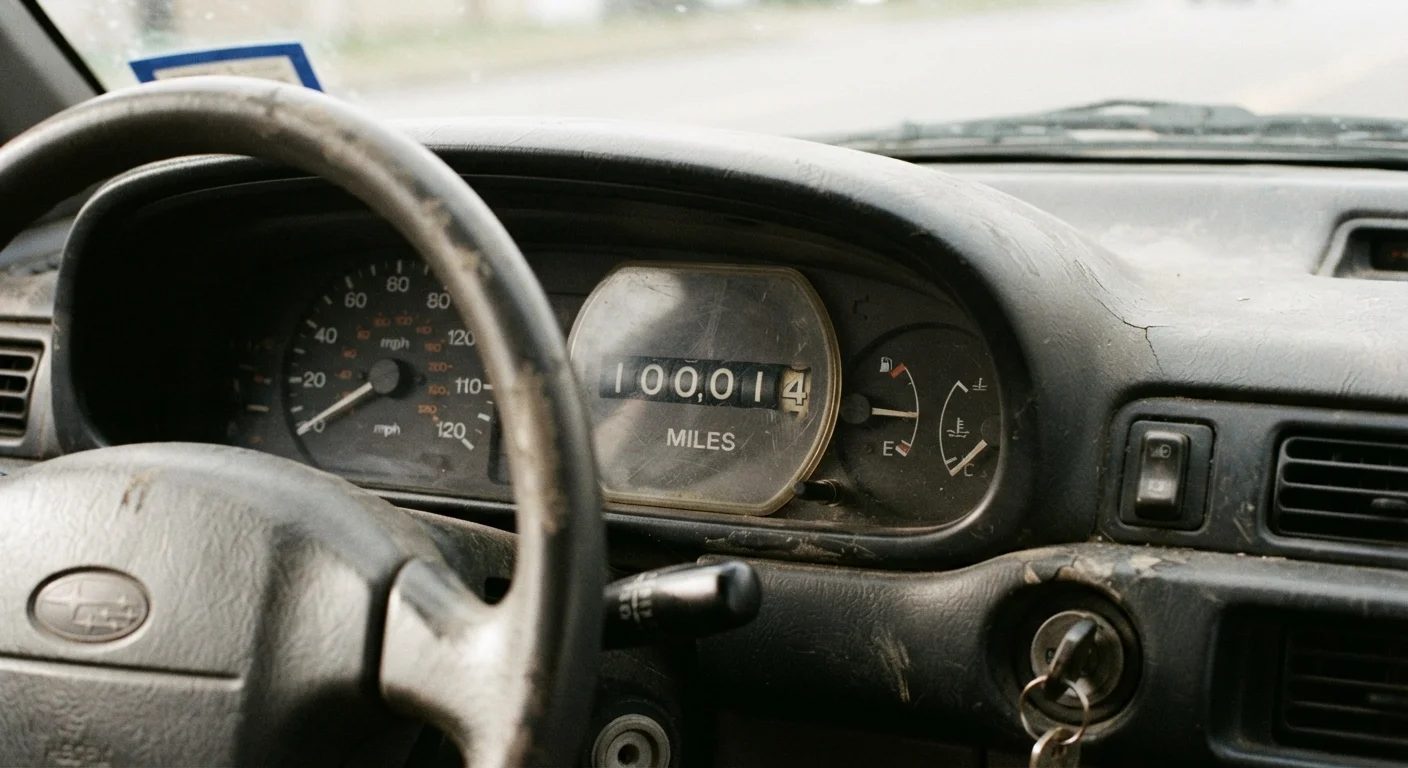
Why 100,000 Miles Is a Real Turning Point
Reaching 100,000 miles isn't just a psychological milestone - it marks a genuine shift in how a vehicle ages. Rubber components have been heating and cooling for years. Metal surfaces have accumulated friction wear. Fluids that once lasted their full service intervals may now need more attention. None of this means the car is finished; many well-maintained vehicles run reliably well past 200,000 miles. But the maintenance priorities genuinely change.
What worked on a 40,000-mile car - sticking to the owner's manual schedule and not much more - isn't always sufficient past six figures. High-mileage vehicles tend to develop slow leaks, accelerated wear on secondary components, and a tighter relationship between deferred maintenance and costly breakdowns. Understanding which services matter most can make the difference between a car that keeps earning its keep and one that starts draining your budget. For a broader view of what these services typically cost, see our guide to scheduled maintenance costs by vehicle type.
Switch to a High-Mileage Engine Oil
Standard motor oil is formulated for engines with tighter internal tolerances. As mileage climbs, small gaps between engine components can widen slightly, and seals become more brittle. High-mileage oil formulations - typically marketed for vehicles over 75,000 miles - contain seal conditioners and slightly higher viscosity that can reduce minor leaks and oil burning.
This isn't a cure for a severely worn engine, but it's a low-cost adjustment that may reduce oil consumption between changes. Check your oil level more frequently past 100,000 miles rather than relying solely on the interval reminder. For guidance on how oil change frequency should actually be determined, see our overview of oil change intervals and what the mileage numbers mean.
High-mileage oil formulations can reduce minor leaks in engines with aging seals.
Inspect and Replace Rubber Components Proactively
Hoses, belts, gaskets, and seals are made from rubber or rubber-adjacent materials that break down over time regardless of mileage. By 100,000 miles, many of these components are approaching or past the end of their useful life. A cracked coolant hose or a deteriorating valve cover gasket that's ignored can cause serious downstream damage.
Have a mechanic inspect these components during routine service visits. Replacing a worn serpentine belt proactively costs far less than the tow and repair bill if it snaps on the highway. The same logic applies to coolant hoses, intake manifold gaskets, and any visible rubber that shows cracking or stiffness.
Proactively replacing worn belts and hoses costs a fraction of what failure-related repairs run.
Don't Ignore the Timing Belt (If Your Engine Has One)
Not every engine uses a timing belt - some use a timing chain, which generally lasts longer - but if yours does, replacement is one of the most critical high-mileage services there is. Most manufacturers specify replacement between 60,000 and 105,000 miles. If that interval has passed without service, the risk of belt failure rises sharply.
A snapped timing belt can cause catastrophic engine damage in interference engines - meaning the engine's internal components can collide and destroy each other in milliseconds. Check your owner's manual or a repair database to confirm your engine type and recommended interval. This is one service where staying ahead of the schedule is non-negotiable.
A failed timing belt can destroy an engine in seconds - it's not a service to defer.
Prioritize Transmission and Coolant Fluid Changes
These two fluids are frequently skipped on deferred maintenance lists, but they become more important - not less - as a vehicle ages. Transmission fluid degrades over time, losing its ability to lubricate and cool the transmission properly. Many transmission failures in high-mileage vehicles can be traced back to fluid that was never changed.
Coolant (antifreeze) also breaks down chemically, becoming more acidic and less effective at preventing corrosion inside the cooling system. Old coolant can accelerate wear on water pump seals and radiator components. Flushing and replacing both fluids per manufacturer guidance - or sooner if they haven't been done in a long time - is one of the higher-value services for older vehicles.
Neglected transmission and coolant fluids are among the most common contributors to high-mileage failures.
Inspect Suspension and Steering Components More Closely
Struts, shocks, tie rod ends, ball joints, and control arm bushings all wear gradually. At low mileage, this wear is often imperceptible. By 100,000 miles, accumulated wear can affect ride quality, handling response, and - critically - braking distance. A vehicle with worn shocks takes longer to stop and handles less predictably in emergency situations.
Signs of suspension wear include uneven tire wear, a floaty or bouncy ride, pulling to one side, or clunking sounds over bumps. A qualified mechanic can inspect these components during a standard alignment check. Keeping tires properly inflated and rotated also helps distribute wear more evenly - see our complete driver's overview of tire care for more on that front.
Worn suspension components affect braking distance and handling - not just ride comfort.
Revisit Spark Plugs and Ignition Components
Modern iridium or platinum spark plugs are designed to last 60,000-100,000 miles in many vehicles. If they haven't been replaced near that threshold, misfires, reduced fuel efficiency, and rough idling become more likely. Beyond spark plugs, the ignition coils and wires (on vehicles with distributor-style ignition) are also wear items that may need attention at high mileage.
A misfiring engine puts extra stress on the catalytic converter and can cause unburned fuel to enter the exhaust system, leading to additional repair costs. Replacing spark plugs at the appropriate interval is relatively inexpensive and helps maintain engine efficiency - which matters more as other systems age.
Overdue spark plug replacement wastes fuel and can cause additional, more expensive damage downstream.
Staying Ahead of the Curve
High-mileage ownership rewards proactivity. The services above aren't scare tactics - they're predictable wear patterns that affect most vehicles over time. Addressing them on a planned schedule almost always costs less than reacting to a breakdown or a cascading failure.
Build a Simple High-Mileage Inspection Routine
Consider scheduling a dedicated inspection - separate from an oil change - every 12 months or 15,000 miles once your vehicle passes 100,000 miles. Ask a mechanic to evaluate rubber components, fluid conditions, and suspension wear as a package. Catching wear early is almost always cheaper than reacting to failure, and it gives you a clearer picture of what's coming before it becomes urgent.
It also helps to pay closer attention to what your car is communicating. Dashboard warning lights carry more urgency in older vehicles because worn systems have less margin for error. Our reference on dashboard warning lights and what they're telling you is a useful companion for high-mileage drivers. For the financial side of managing these costs over time, financial habits that help keep car costs in check offers practical approaches. And if you want to understand what tends to get expensive as mileage climbs even further, our article on expenses that spike in a car's high-mileage years goes deeper on what to anticipate.
This article provides general vehicle maintenance information for educational purposes only. Always consult a qualified mechanic for advice specific to your vehicle's make, model, and condition.