Mileage: The Baseline Cost Driver
Every mile you drive adds to mechanical wear and fuel consumption. Annual mileage is the single most straightforward variable in calculating what a vehicle costs to operate. The more miles logged, the sooner oil, filters, tires, and brake pads need replacement - and the sooner major components like timing belts and transmission fluid reach their service intervals.
According to the Federal Highway Administration, the average American driver travels roughly 14,000-15,000 miles per year. Drivers who consistently exceed that figure face proportionally higher costs across nearly every maintenance category. Those who drive significantly less may find that time-based service intervals (rather than mileage-based ones) still require periodic attention regardless.
For a detailed look at how to track all recurring expenses tied to mileage and time, see the annual car ownership cost checklist.
~14,500
Average annual miles driven per U.S. driver
According to Federal Highway Administration data, this figure serves as a common benchmark for estimating maintenance frequency and ownership costs.
¼-½ gal/hr
Fuel consumed per hour of engine idling
The U.S. Department of Energy estimates this range for a typical passenger vehicle, with larger engines consuming toward the higher end.
Up to 40%
Fuel economy drop in city vs. highway driving
EPA combined vs. city ratings for many vehicles show urban driving can reduce real-world efficiency substantially compared to highway conditions.
Route Type and Driving Conditions
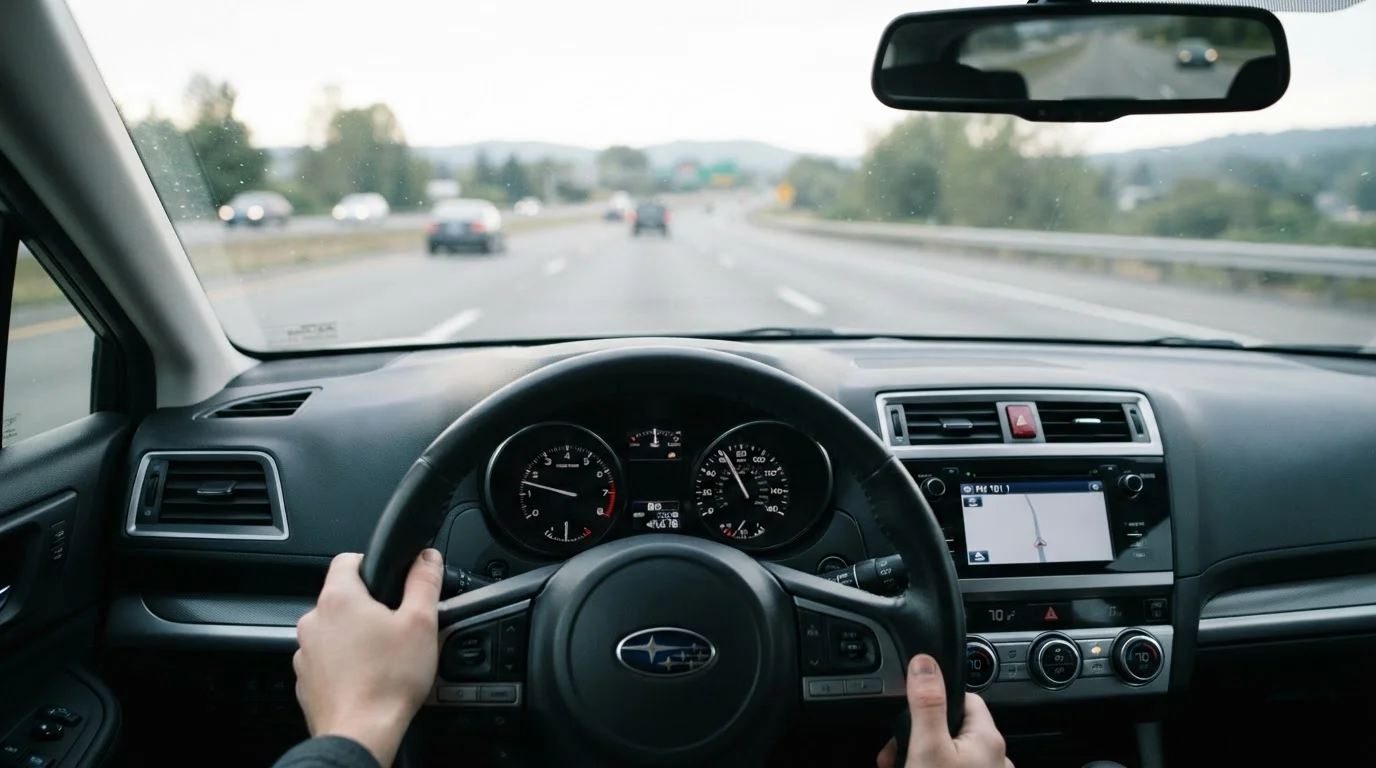
Where you drive matters almost as much as how far. Stop-and-go urban traffic puts repeated strain on brake pads and rotors, generates more heat in the drivetrain, and produces fuel economy well below a vehicle's rated highway figures. Brakes that might last 50,000 miles in highway-dominant driving can wear out noticeably sooner in dense urban conditions.
Highway driving tends to be gentler on most components - sustained speeds are easier on brakes and allow engines to reach and maintain efficient operating temperatures. However, sustained high-speed driving increases aerodynamic drag and fuel consumption at the top end of the speedometer.
Road surface also plays a role. Rough, unpaved, or poorly maintained roads accelerate wear on suspension components, wheel bearings, and tires. For a side-by-side breakdown of these trade-offs, the city vs. highway driving cost comparison covers the numbers in detail.
Anticipatory Driving Saves Money
Leaving more following distance and easing off the accelerator earlier before stops reduces brake wear and improves fuel economy simultaneously. This technique - sometimes called 'hypermiling lite' - costs nothing to adopt and pays dividends over thousands of miles. Even modest improvements in smoothness can extend brake pad life and noticeably reduce monthly fuel spending.
Acceleration, Braking, and Load Habits
The way a driver modulates the accelerator and brakes has a direct and measurable effect on fuel economy and component life. Hard acceleration from stops burns more fuel and stresses the drivetrain. Late, hard braking generates more heat and wears brake pads faster than gradual, anticipatory stops.
Carrying heavy cargo regularly compounds these effects. Heavier loads demand more braking force, increase rolling resistance on tires, and put additional stress on suspension and drivetrain components. Drivers who routinely haul near maximum payload should plan for shorter service intervals on these components than the owner's manual might otherwise suggest.
Tire inflation - often overlooked - also interacts with load and behavior. Underinflated tires under load wear unevenly and reduce fuel efficiency. Proper tire care is one of the lower-cost habits with a meaningful long-term payoff.
“The single biggest variable in what someone spends on their car each year isn't the make or model - it's how and how much they drive it. Behavior is the budget lever most people never think to adjust.”
— Consumer automotive research community (composite perspective), Vehicle ownership cost analysts
Idling, Fuel Costs, and Insurance Implications
Extended idling burns fuel with no forward progress and can contribute to oil degradation over time, particularly in older vehicles. Common idling situations - remote starts left running, warming up an engine on cold mornings, drive-through lanes, or waiting in traffic - can collectively add a noticeable fuel cost over a year.
Modern fuel-injected engines generally do not require extended warm-up periods; most manufacturers recommend driving gently for the first few minutes rather than idling at length. For a fuller picture of how these fuel habits accumulate, fuel costs over a car's lifetime provides a data-grounded perspective.
Insurance is another cost category shaped by behavior. Usage-based insurance programs track mileage and driving patterns, and some insurers reward lower-risk habits with premium reductions. Understanding why insurance rates vary helps drivers evaluate whether these programs are worth enrolling in. Broader financial habits also apply - see sustainable budgeting habits for how these principles extend beyond the garage.
This article is for general informational purposes only and does not constitute financial or mechanical advice. Consult a qualified mechanic for vehicle-specific maintenance guidance and a licensed insurance professional for advice about your coverage options.