What Dry Shampoo Actually Does to Your Scalp
Dry shampoo works by depositing starch- or silica-based particles onto the scalp and hair shaft. These particles absorb sebum - the natural oil your scalp produces - making hair look fresher between washes. What dry shampoo does not do is remove anything. It simply absorbs and sits.
That distinction matters. Every application layers more product onto a surface that has not been properly rinsed. Over time, accumulated residue - a mixture of dry shampoo ingredients, sebum, dead skin cells, and environmental debris - coats the follicle openings and the scalp's surface layer. Understanding scalp biology helps clarify why this is worth taking seriously: as explored in how scalp health drives hair growth, a congested scalp environment can interfere with the conditions hair follicles need to function well.
The residue itself isn't toxic, but it sets up conditions that can become problematic - particularly for people who use dry shampoo frequently or apply it incorrectly.
Common Mistakes That Make Residue Worse
Most dry shampoo problems aren't caused by the product itself - they're caused by how it's used. These are the most frequent errors consumers make:
Spraying too close to the scalp, which concentrates product in one spot rather than distributing it evenly.
Why it happens: Many people assume proximity means more effectiveness, similar to how they'd apply hairspray. Dry shampoo aerosols actually need distance to disperse properly.
Using dry shampoo on consecutive days without washing the hair and scalp in between.
Why it happens: Convenience is the point of dry shampoo, and skipping wash days feels like the natural extension of that convenience. The cumulative effect on the scalp is easy to ignore when hair looks presentable.
Applying dry shampoo to a scalp that is already damp with sweat or product, which causes the ingredients to cake rather than disperse.
Why it happens: People often reach for dry shampoo after exercise or in humid conditions - exactly when the scalp is least prepared to absorb it cleanly.
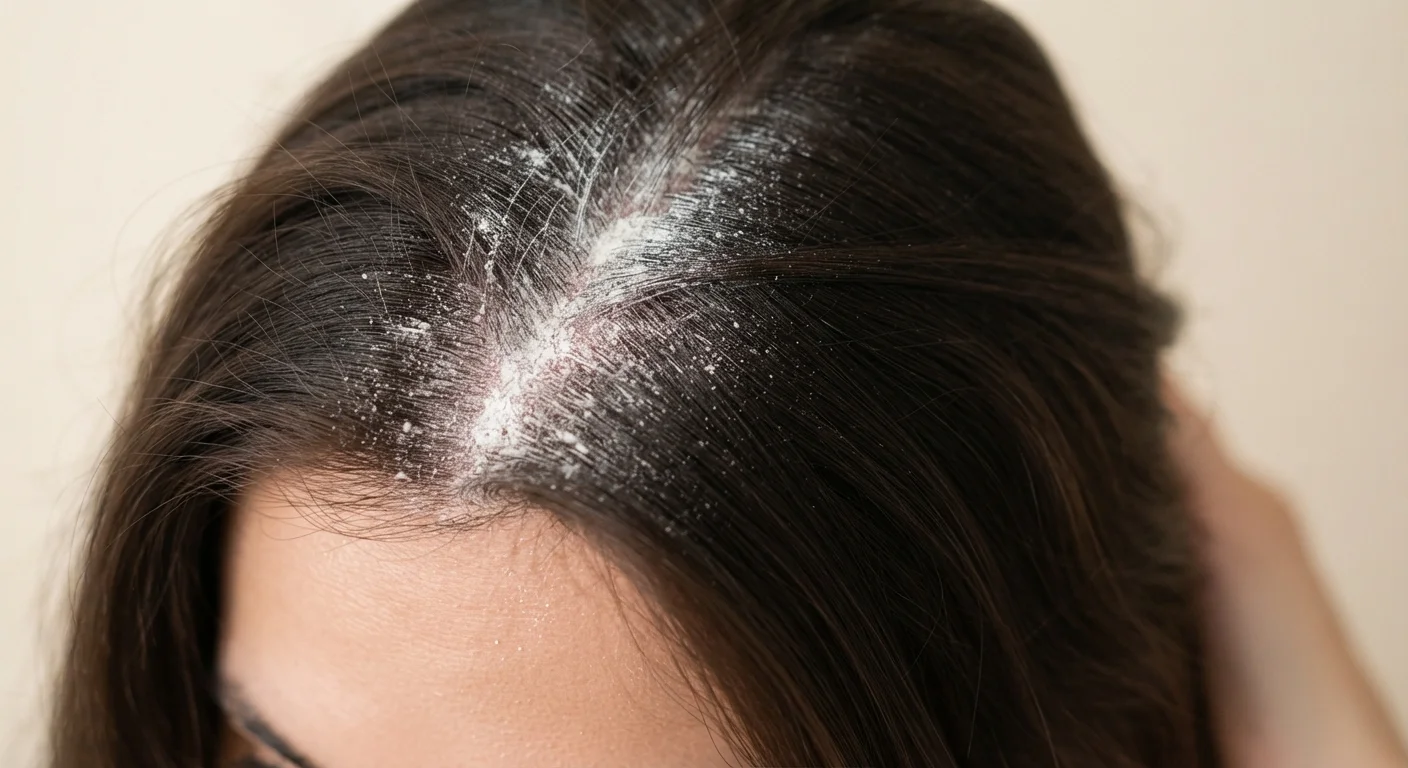
Never fully brushing out dry shampoo after it absorbs oil, leaving visible white or grey cast on dark hair.
Why it happens: Many people apply and leave, assuming the product becomes invisible on its own. It doesn't - it needs mechanical help to blend into the hair shaft.
Using dry shampoo as a styling product or volume booster on hair that doesn't actually need oil absorption.
Why it happens: Dry shampoo does add texture and lift, which makes it tempting as an everyday styling aid even on freshly washed hair.
Getting application habits right is the single most effective lever for reducing buildup. Think of dry shampoo as a bridge between wash days, not a substitute for them. Your ideal wash frequency - whether that's every two days or twice a week - should still anchor your routine.
When Residue Becomes a Real Problem
Occasional dry shampoo use is generally low-risk for most people. The concern escalates when use becomes habitual and washout days become rare. Here's what the research and dermatological guidance consistently point to:
3-4 days
Maximum recommended consecutive dry-shampoo use
Dermatologists generally advise against extending dry shampoo use beyond three to four days without a proper wash to prevent follicle congestion.
~1mm/day
Average scalp skin cell turnover rate
The scalp sheds dead skin cells continuously; without regular washing, these combine with product residue to form a layer that can impede healthy follicle function over time.
Chronic scalp buildup can manifest as persistent itchiness, flakiness that resembles dandruff, a feeling of heaviness at the roots, or - in some cases - tenderness at the scalp surface. These are signs the scalp's microbiome (the community of microorganisms that help keep skin balanced) may be disrupted. If symptoms persist after restoring regular washing, consulting a dermatologist is worthwhile. This article is general educational information and is not a substitute for professional medical or dermatological advice.
Persistent Scalp Symptoms Need Professional Attention
If you experience ongoing scalp irritation, significant flaking, sores, or unusual hair shedding that doesn't resolve after returning to regular washing, don't self-diagnose. These symptoms can have multiple causes - including contact dermatitis, seborrheic dermatitis, or other conditions - that require a dermatologist's evaluation. Continuing to use dry shampoo while experiencing active scalp irritation may worsen the underlying issue.
This article is for informational purposes only and does not constitute medical or dermatological advice. Consult a qualified healthcare professional for personal concerns about scalp health.