The Scalp as a Living Ecosystem
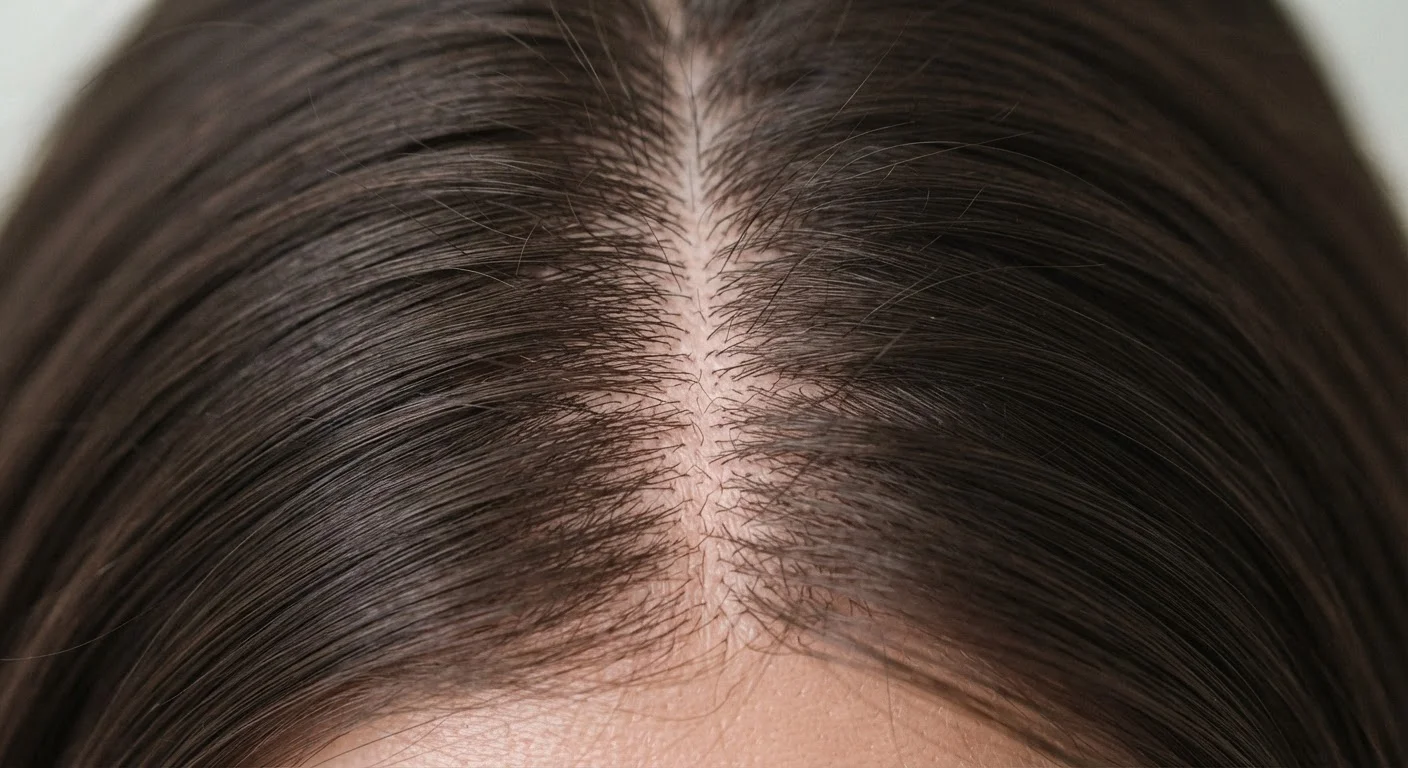
Most people think of hair care as something that happens to the hair strand - shampoo, condition, style, repeat. But the strand you see is already dead tissue. The living part of every hair is the follicle, and follicles live entirely within the scalp. This means the condition of your scalp skin is, quite literally, the environment in which your hair is born and grows.
The scalp is one of the most complex skin environments on the body. It has a higher concentration of sebaceous glands than facial skin, maintains its own microbiome (a community of bacteria and fungi that help regulate inflammation and oil balance), and must manage constant mechanical stress from brushing, styling, and environmental exposure. Just as skincare overlaps with overall wellness, scalp care is a genuine extension of skin health - not a separate, optional category.
When this ecosystem is in balance, follicles are well-nourished, sebum (natural oil) is produced at a healthy rate, and hair grows steadily. When it's disrupted - by product buildup, chronic dryness, excess oiliness, or inflammation - the environment around the follicle becomes less hospitable to healthy growth.
~100,000
Average follicles on the human scalp
Dermatological references consistently cite approximately 100,000 hair follicles on the average adult scalp, with natural variation by hair color and genetics.
2-7 years
Duration of active hair growth phase (anagen)
The anagen phase length determines maximum potential hair length and varies significantly between individuals due to genetic factors.
50-100
Hairs shed per day on a healthy scalp
This range is widely cited in dermatology as a normal daily shedding rate; shedding consistently above this range may warrant evaluation.
How Scalp Condition Affects the Hair Growth Cycle
Hair doesn't grow continuously. Each follicle moves through a structured cycle with three main phases: anagen (active growth, lasting two to seven years), catagen (a brief transitional phase), and telogen (resting, followed by shedding). At any given time, most follicles on a healthy scalp are in anagen, which is why the average person sheds only 50-100 hairs per day - a small fraction of the roughly 100,000 follicles on a typical scalp.
Scalp conditions can push follicles prematurely into the telogen phase - a process sometimes called telogen effluvium when it occurs in large numbers. Sustained inflammation around the follicle is one known trigger. Inflammatory conditions like seborrheic dermatitis (a common cause of dandruff and redness) or scalp psoriasis create an environment that can interfere with the anagen phase and shorten the active growth window.
Similarly, follicle blockage from sebum mixed with product residue can impede the emerging hair shaft, contributing to fragility at the root. This is one reason that wash frequency matters - both under-washing and over-washing can tip the scalp's oil balance in ways that affect the follicular environment.
“The scalp is skin, and like all skin, it has a barrier function, a microbiome, and a capacity to become inflamed. We tend to forget that when we focus only on the hair strand.”
— Board-Certified Dermatologist, Specialist in hair and scalp disorders, cited in dermatology education materials
What Disrupts Scalp Health - and What Supports It
Several common habits and factors are linked to scalp disruption:
- Product buildup: Silicones, heavy waxes, and dry shampoo residue can accumulate on the scalp surface and around follicle openings. Regular, thorough cleansing helps prevent this. Understanding what's in your products - reading a shampoo label is a useful starting skill - helps you select formulas suited to your scalp type.
- Overwashing or harsh surfactants: Stripping the scalp of its natural oils too frequently can trigger compensatory oil overproduction, leading to greasiness and potential imbalance in the scalp microbiome.
- Heat and tension: Repeated high heat and tight hairstyles that place mechanical stress on the follicle can cause localized inflammation, particularly along the hairline.
- Nutritional gaps: Iron, zinc, biotin, and protein all play roles in hair follicle function. Deficiencies - confirmed through a healthcare provider - can affect hair growth independently of scalp-surface conditions.
Supportive habits include gentle, adequate cleansing matched to your scalp type, periodic exfoliation to clear cellular debris, and minimizing sustained inflammation triggers. Products for the hair strand - conditioners, deep conditioners, and masks - serve a different purpose than scalp-targeted treatments and should generally be applied from mid-length to ends, not massaged into the scalp.
Apply Conditioner Away from the Scalp
Most conditioning products are formulated for the hair shaft, not the scalp skin. Applying heavy conditioners directly to the scalp can contribute to buildup and may disrupt oil balance. Focus conditioner from mid-length to ends, and reserve scalp-specific treatments for the scalp itself.
When to Pay More Attention - or Seek Help
Some scalp changes are cosmetically inconvenient but manageable with routine adjustments. Others are signals worth discussing with a dermatologist. Persistent or worsening symptoms - significant redness, painful tenderness, large patches of flaking, or noticeable changes in hair density - go beyond routine care territory.
It's also worth noting that hair and scalp changes can reflect systemic health shifts: thyroid function, hormonal transitions, stress, and certain medications all have documented effects on hair growth cycles. A scalp-care routine can support a healthy environment, but it isn't a substitute for medical evaluation when something meaningful has changed.
The practical takeaway is this: treat your scalp with the same attention and consistency you'd bring to caring for any other area of skin. It has its own needs, its own balance to maintain, and a direct relationship with the hair you're trying to grow and protect.
This article is for general informational and educational purposes only and is not a substitute for professional medical or dermatological advice. If you have concerns about scalp health or hair loss, consult a qualified healthcare provider.