How Each Type Actually Works
The core difference between these two categories comes down to their mechanism of action - the specific way each formula intercepts ultraviolet (UV) radiation before it damages skin cells.
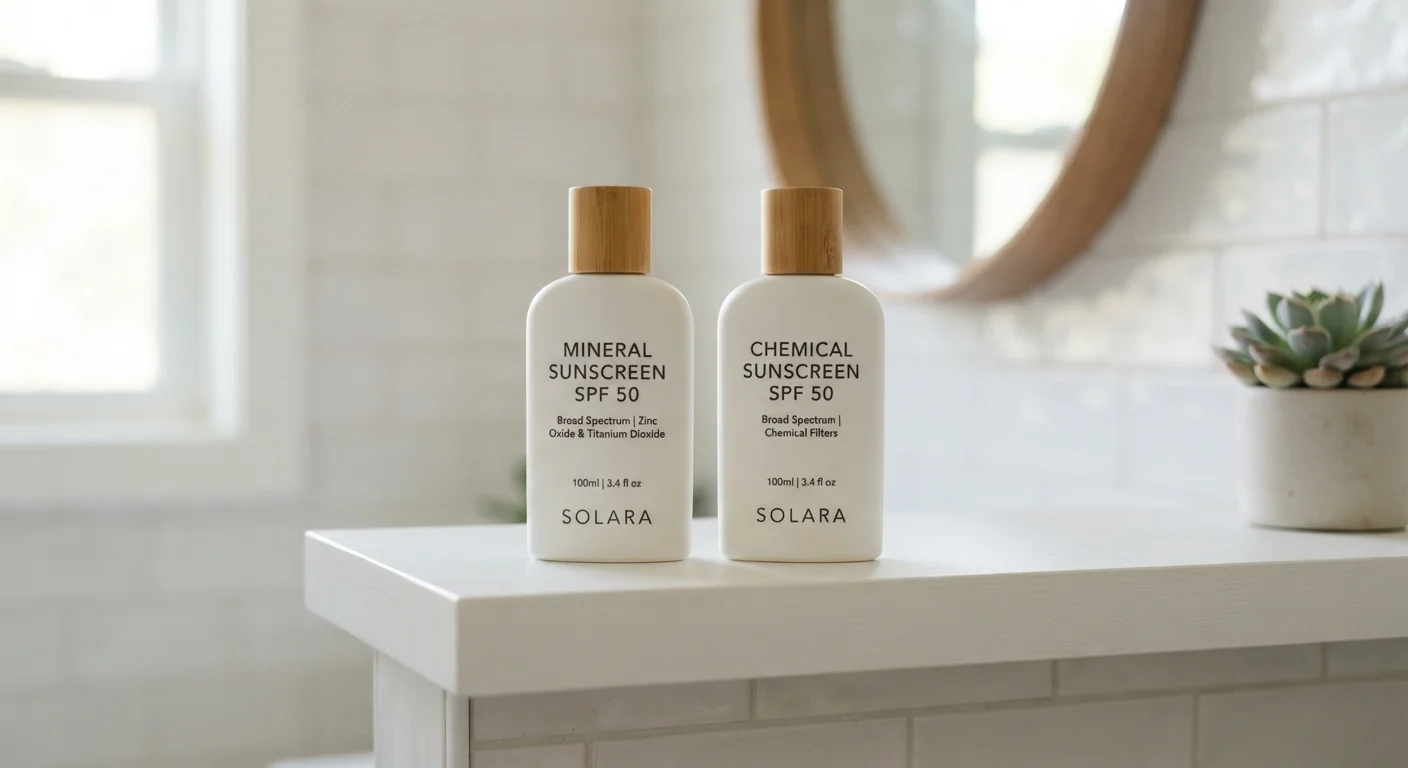
Chemical sunscreens contain organic (carbon-based) filter compounds - common examples include avobenzone, oxybenzone, octinoxate, and octocrylene. When UV rays hit the skin, these molecules absorb the energy and release it as a small amount of heat. The process is invisible and happens within the skin's surface layers. Because chemical filters need time to bind to the skin and begin this conversion process, most dermatologists recommend applying them about 20 minutes before sun exposure.
Physical sunscreens - often called mineral sunscreens - use two active ingredients approved by the U.S. Food and Drug Administration (FDA): zinc oxide and titanium dioxide. These minerals form a physical barrier that reflects and scatters UV rays away from the skin. They are effective immediately upon application and tend to be photostable, meaning they don't break down quickly in sunlight.
| Criterion | Chemical Sunscreen | Physical (Mineral) Sunscreen |
|---|---|---|
| Active Ingredients | Avobenzone, oxybenzone, octinoxate | Zinc oxide, titanium dioxide |
| How It Works | Absorbs UV energy, releases as heat | Reflects and scatters UV rays |
| Time to Take Effect | ~20 minutes after application | Immediate upon application |
| Finish on Skin | Sheer, no white cast | May leave white cast (varies by formula) |
| Best for Sensitive Skin | Less ideal - more potential irritants | Generally better tolerated |
| Texture | Lightweight, often matte | Can feel thicker; tinted options available |
| Broad-Spectrum Coverage | Yes, when formulated for it | Yes, especially zinc oxide |
To understand how SPF ratings apply to both types, see our explainer on what SPF numbers actually measure.
Which Type Suits Different Skin Concerns
Neither formula type is universally superior - skin type, lifestyle, and personal preferences all factor into which will work better for you.
What 'Broad Spectrum' Actually Means
Both chemical and physical sunscreens can carry the 'broad spectrum' designation, which means they protect against both UVA and UVB rays. UVB rays are primarily responsible for sunburn, while UVA rays penetrate more deeply and contribute to premature aging and long-term skin damage. Always look for 'broad spectrum' on the label regardless of which formula type you choose.
Sensitive and acne-prone skin often responds more favorably to mineral sunscreens. Zinc oxide in particular has documented anti-inflammatory properties, and because mineral formulas sit on top of the skin rather than absorbing into it, they're less likely to trigger reactions in reactive skin types. If you're unsure of your skin type, learn how dermatologists define each skin type category before making a decision.
Oily or combination skin may prefer chemical formulas, which tend to have lighter, more matte textures. The full absorption into skin means no surface residue that can mix with sebum and feel heavy throughout the day.
Darker skin tones have historically had fewer cosmetically elegant mineral options, because earlier titanium dioxide formulas left a noticeable white cast. Newer tinted and micronized mineral formulas have significantly improved in this area, though chemical formulas remain a reliable choice for a fully invisible finish.
20 min
Activation time for chemical sunscreen
Most formulas recommend applying 20 minutes before sun exposure to allow chemical filters to bind to skin and become effective.
2
FDA-approved mineral sunscreen ingredients
The U.S. Food and Drug Administration currently recognizes zinc oxide and titanium dioxide as the only two active mineral sunscreen ingredients.
It's also worth noting that both types require reapplication - generally every two hours during active sun exposure - regardless of their SPF rating.
This article is for general informational purposes only and is not medical or dermatological advice. Consult a qualified healthcare professional for personalized skin care guidance.