How the SPF Number Is Calculated
The SPF number comes from a controlled laboratory test. Researchers measure how much UV energy is needed to cause a sunburn on protected skin compared to unprotected skin. The ratio between those two values is the SPF.
For example, if it takes 30 times more UV energy to burn protected skin than unprotected skin, the product earns an SPF 30 rating. This is why SPF is sometimes described as a multiplier - though in practice, real-world conditions (sweating, rubbing, incomplete coverage) always reduce effectiveness below the lab result.
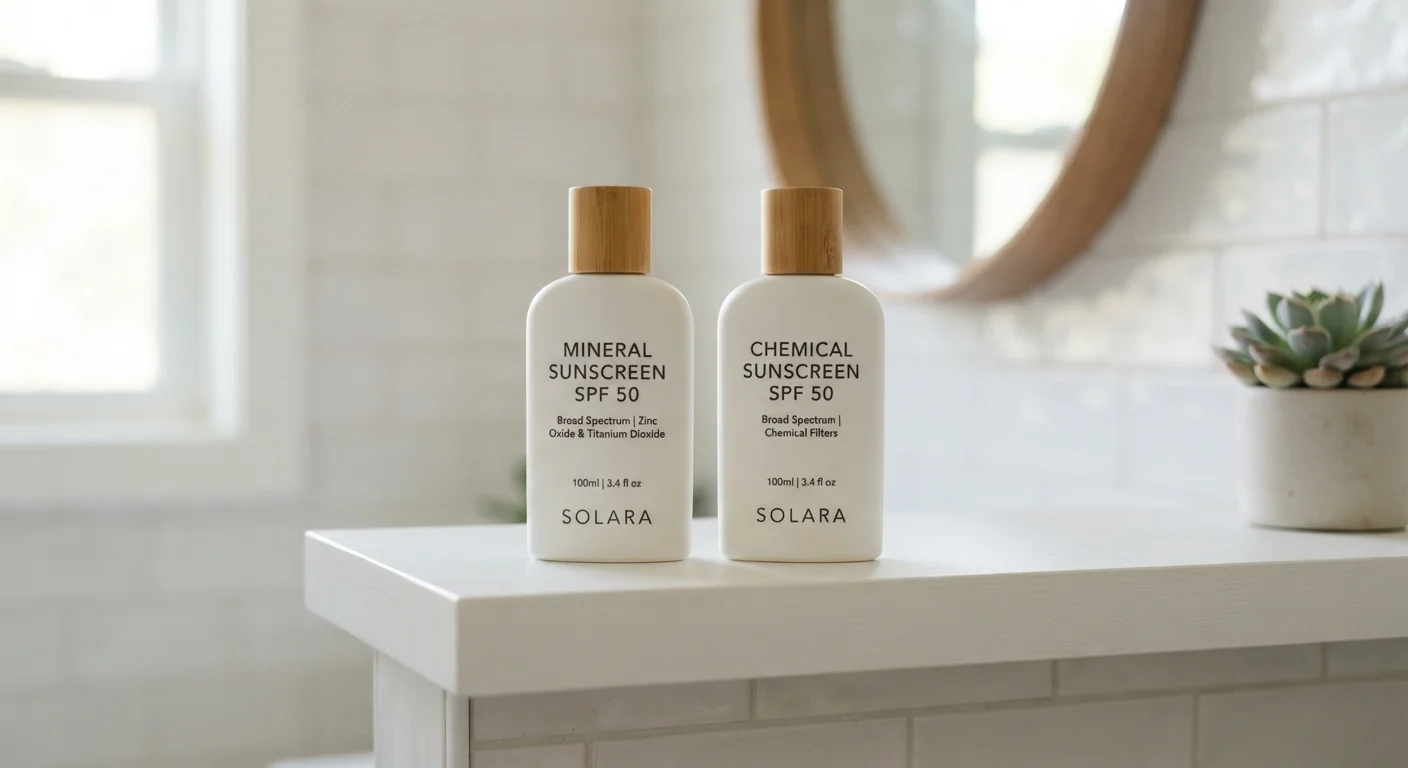
One critical detail: this test is conducted using UVB rays specifically. UVB is the wavelength responsible for visible sunburn. UVA rays - which penetrate skin more deeply and are linked to long-term skin changes - are not captured in the SPF number at all. For UVA coverage, look for the phrase broad spectrum on the label. Our guide to chemical vs. physical sunscreen explains how different formulas address both wavelength types.
The Math Behind SPF 30 vs. SPF 50
Here is where most consumers are surprised. The difference between SPF 30 and SPF 50 sounds significant, but in terms of UVB rays actually blocked, the gap is narrow:
- SPF 15 filters approximately 93% of UVB rays
- SPF 30 filters approximately 97% of UVB rays
- SPF 50 filters approximately 98% of UVB rays
- SPF 100 filters approximately 99% of UVB rays
Each step up the scale offers diminishing returns. Going from SPF 30 to SPF 50 moves the needle from 97% to 98% - meaningful for people with photosensitive skin conditions, but not a dramatic leap for the average consumer.
97%
UVB rays filtered by SPF 30
Laboratory testing data published by dermatology organizations shows SPF 30 blocks approximately 97% of UVB radiation under standard test conditions.
~25-50%
Typical consumer sunscreen application rate
Research published in dermatology literature suggests most consumers apply only one-quarter to one-half the amount of sunscreen used in SPF efficacy testing.
80%
UV rays that penetrate cloud cover
According to the American Academy of Dermatology, up to 80% of the sun's UV rays can reach skin even on overcast days.
The practical implication: consistent, correctly applied SPF 30 outperforms poorly applied SPF 100. Amount and reapplication frequency have a larger impact on real-world protection than the number on the bottle.
Why Application Habits Are the Real Variable
Laboratory SPF testing uses a precise application density - 2 milligrams of sunscreen per square centimeter of skin. In practice, studies suggest most people apply between one-quarter and one-half of that amount. Under-application can reduce effective protection dramatically, sometimes dropping an SPF 50 product to perform closer to SPF 10 in real-world conditions.
Get the Most From Any SPF
Apply sunscreen 15 minutes before going outdoors to allow it to bind to the skin properly. Use enough - a nickel-sized amount for the face alone and roughly a shot glass's worth for full-body coverage. Reapply every two hours and immediately after water exposure or heavy sweating. These habits will serve you better than simply reaching for a higher SPF number.
Reapplication is equally important. Sunscreen breaks down through UV exposure, sweat, and physical contact. The general guidance from dermatology organizations is to reapply every two hours, or immediately after swimming or heavy sweating - regardless of SPF level.
For a broader look at how to interpret what's in your sunscreen and other skincare products, our skincare ingredients glossary walks through common label terms in plain language.
Choosing a Practical SPF for Your Routine
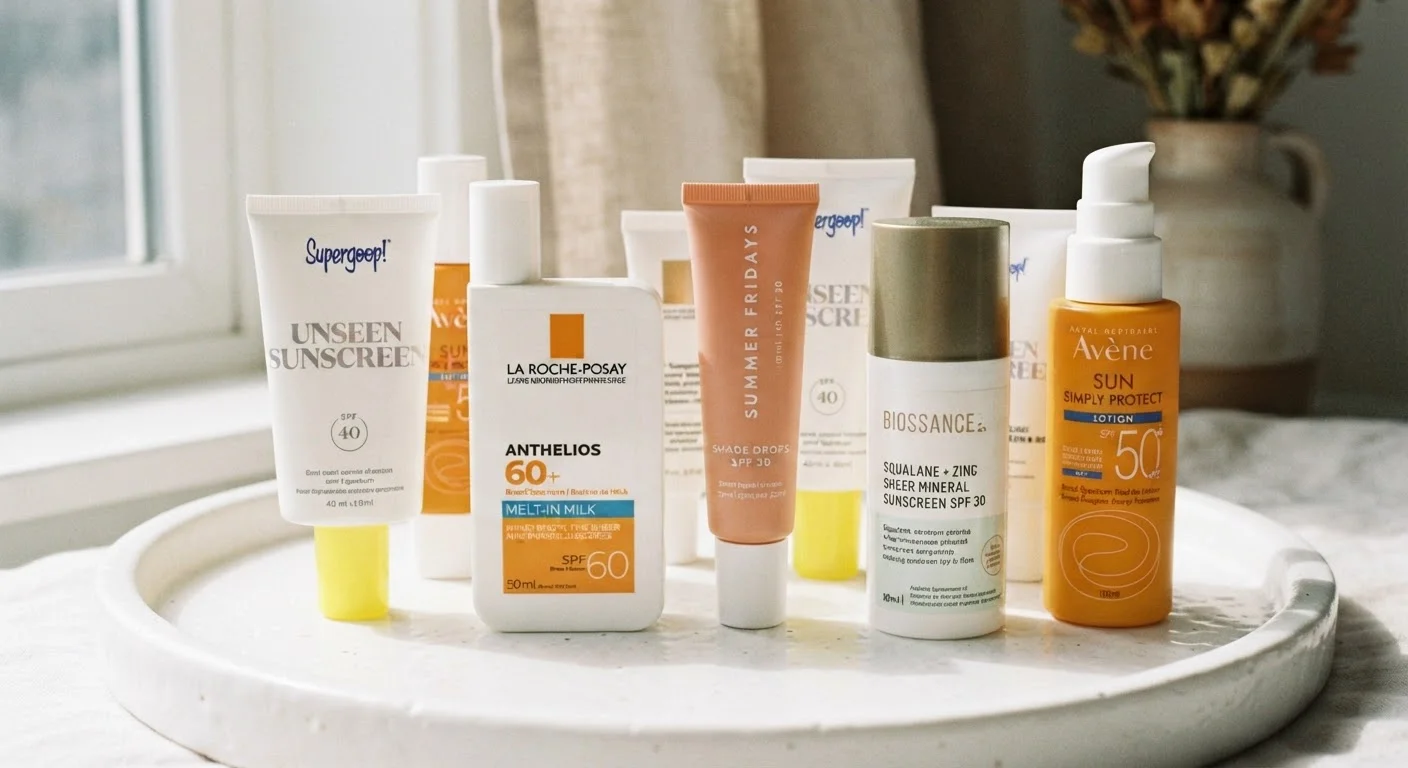
For most people doing routine daily activities - commuting, running errands, brief time outdoors - an SPF 30 broad-spectrum sunscreen applied consistently and generously provides solid protection. For extended outdoor exposure such as beach days, hiking, or outdoor sports, SPF 50 is a reasonable step up, particularly for fair skin or those with a history of sun sensitivity.
SPF numbers above 50 offer minimal additional measurable benefit and may give users a false sense of unlimited protection, leading to less frequent reapplication. Several international regulatory bodies have even discussed capping marketed SPF values to prevent this misperception.
Whatever SPF you choose, the label matters too. Look for broad spectrum to ensure UVA coverage, and check whether the product is labeled water-resistant if you plan to swim or sweat. Our guide to reading skincare labels can help you navigate the full ingredient list beyond just the SPF claim.
This article is for general informational purposes only and does not constitute medical or dermatological advice. Consult a qualified healthcare provider or dermatologist for guidance specific to your skin type or health needs.