
Why Sustainable Beats Perfect
The most elaborate wellness routine is worthless if you abandon it by week three. Research consistently shows that habit durability - not intensity - is the strongest predictor of long-term health outcomes. A sustainable routine is one you can maintain through a busy workweek, a stressful month, or a change in life circumstances.
That means starting with an honest assessment of your actual schedule, energy levels, and priorities. Ambitious overhauls often backfire because they demand too much cognitive and physical bandwidth all at once. Instead, the goal is to identify two or three anchoring habits and build outward from there. If you're looking for a time-efficient place to start, see our guide for busy schedules.
The Core Pillars: Sleep, Hydration, and Movement
Three pillars underpin virtually every other wellness goal: sleep, hydration, and movement. Shortchange any one of them and the rest of your routine works harder to compensate.
Sleep is the body's primary recovery mechanism. The U.S. Centers for Disease Control and Prevention (CDC) recommends that most adults aim for seven or more hours per night. Sleep consistency - going to bed and waking at roughly the same time each day - appears to be as important as total duration for regulating mood, appetite, and cognitive function.
Hydration affects skin barrier integrity, energy levels, and digestion. While individual fluid needs vary, most nutrition guidelines suggest water as the default beverage and recommend monitoring urine color as a practical indicator of adequate intake.
Movement doesn't have to mean structured gym sessions. Walking, stretching, yoga, or light strength work all count. Current public health guidelines generally recommend at least 150 minutes of moderate-intensity activity per week, spread across multiple days.
Skin Health as a Wellness Indicator
Your skin is your largest organ, and its condition often reflects what's happening internally - sleep debt, dehydration, and chronic stress all show up on the skin before they show up elsewhere. This makes a basic skin care routine both a cosmetic and a health habit. Explore the fundamentals of daily skincare to build a routine grounded in evidence rather than marketing.
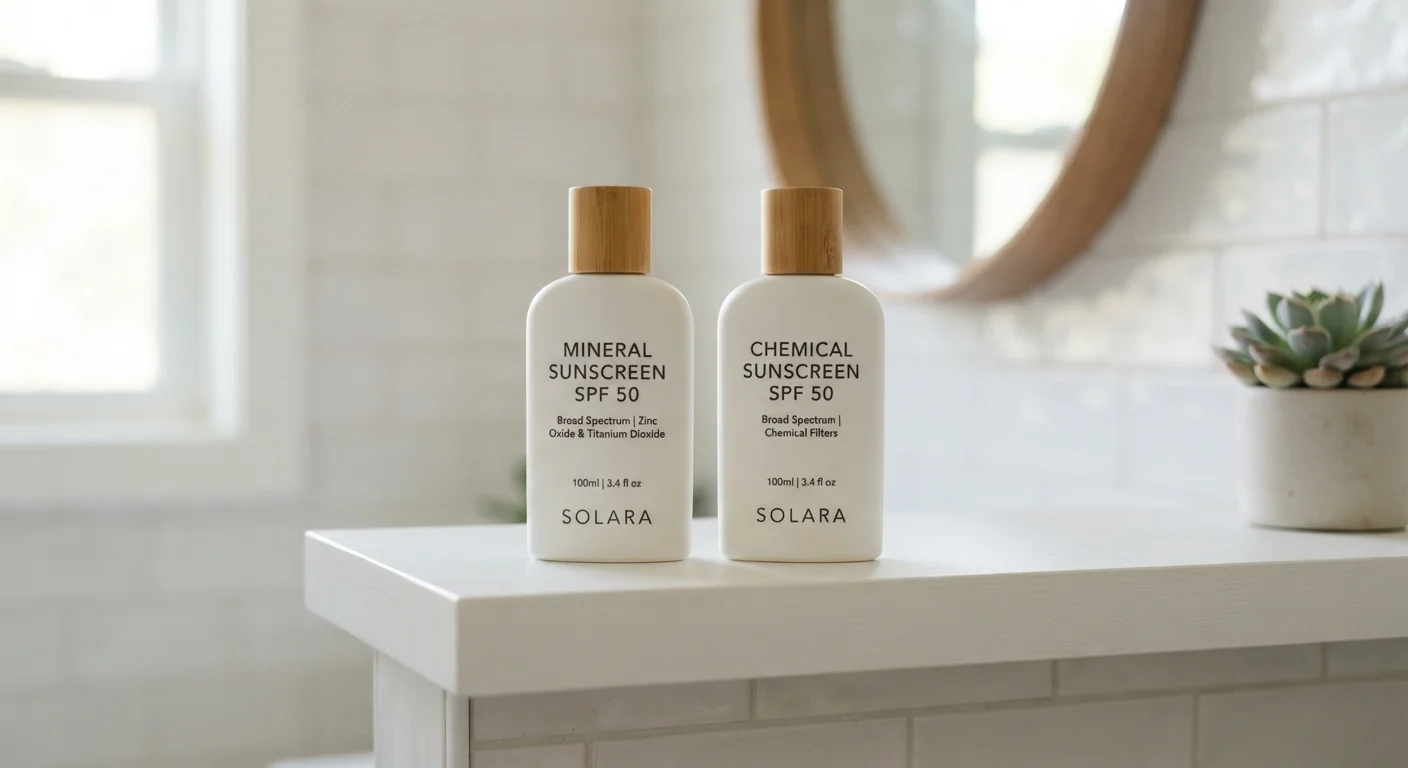
A minimal effective skin routine typically includes gentle cleansing, broad-spectrum SPF during daylight hours, and a simple moisturizer suited to your skin type. These three steps address the most well-documented skin concerns - barrier disruption, UV damage, and moisture loss - without requiring a lengthy product arsenal. For guidance on complementary hair and body care habits, foundational routines apply many of the same principles.
Keep in mind that skin needs shift across life stages and seasons. Our companion articles on wellness across the decades and seasonal adjustments can help you calibrate as your circumstances change.
“The secret of your future is hidden in your daily routine. Small disciplines repeated consistently over time lead to great achievements and a great life.”
— Mike Murdock, Author and speaker widely cited in wellness and habit-formation literature
Auditing and Adapting Your Routine
Even a well-designed routine needs periodic review. Life changes - new jobs, travel, health shifts, seasonal transitions - can quietly erode habits that once felt automatic. Building in a brief weekly check-in helps you catch drift before it becomes a full backslide.
A practical audit asks three questions: Which habits did I maintain consistently this week? Where did I fall short, and why? What one adjustment would make next week more manageable? Our weekly self-care audit checklist walks through this process in structured detail. For daily hygiene habits that complement your broader routine, see our framework on morning, evening, and weekly hygiene habits.
This article is for general informational and educational purposes only and is not a substitute for professional medical advice. Consult a qualified healthcare provider before making significant changes to your health routines, particularly if you have existing health conditions.