Why Sleep Advice So Often Misses the Mark
Sleep is one of the most studied biological processes in human health - yet public understanding of it remains riddled with half-truths and oversimplifications. Well-meaning advice circulates through social media, wellness blogs, and family dinner tables, often doing more harm than good. If you've ever tried following the rules and still woken up exhausted, the problem may not be your willpower - it may be the rules themselves.
Below, we work through the most persistent sleep hygiene myths and replace them with what the evidence actually supports. If you're building a fuller nighttime routine around accurate information, you may also find value in evidence-backed wind-down habits that complement good sleep hygiene.
Myth
You can catch up on lost sleep by sleeping in on weekends.
Fact
Sleeping in on weekends may reduce some short-term fatigue but does not fully reverse the cognitive or metabolic effects of sleep debt, and it can shift your internal clock in ways that make Monday mornings harder.
Researchers refer to the gap between weekday and weekend sleep schedules as social jet lag. When your wake time shifts significantly on weekends, it disrupts your circadian rhythm - the internal 24-hour clock that governs hormone release, metabolism, and alertness. Studies published in sleep science journals suggest that irregular sleep timing is independently associated with poorer health outcomes, separate from total sleep hours. Consistency in your sleep-wake schedule, even on days off, generally serves your body better than attempting to bank or repay sleep hours.
Myth
Everyone needs exactly eight hours of sleep to function well.
Fact
Sleep needs are genuinely individual and fall along a range; most adults need somewhere between seven and nine hours, but that range has real variation at both ends.
The eight-hour figure is a population-level average, not a biological requirement that applies uniformly. Genetics, age, activity level, and overall health all influence how much sleep a specific person needs to feel and perform well. Some adults function optimally at seven hours; others consistently need closer to nine. The more useful question isn't whether you hit a particular number, but whether you wake feeling reasonably restored and can sustain alertness through the day without relying on stimulants.
Myth
A glass of wine before bed helps you sleep better.
Fact
Alcohol can accelerate sleep onset, but it suppresses REM sleep and causes sleep fragmentation in the second half of the night, leaving you less rested overall.
Alcohol is a central nervous system depressant, which is why it can feel like it's helping you wind down. However, as your body metabolizes it, alcohol has a rebound stimulant effect that interrupts the deeper, more restorative sleep stages - particularly rapid eye movement (REM) sleep, which plays a key role in memory consolidation and emotional regulation. Regular use of alcohol as a sleep aid can also lead to tolerance, meaning higher amounts are needed over time to achieve the same initial effect. If relaxation before bed is the goal, non-alcoholic options such as a consistent wind-down routine tend to support sleep architecture more effectively.
Myth
Screens are the primary reason most people can't sleep.
Fact
Blue light from screens has a real but modest effect on melatonin suppression; stress, anxiety, inconsistent schedules, and caffeine timing are often more significant contributors.
The blue light effect became a major talking point in sleep health, and it is real - short-wavelength light does signal to the brain that it's daytime, suppressing melatonin production. However, research suggests the magnitude of this effect from typical device use has been somewhat overstated in popular media. The content you consume on screens - news, social media, stimulating video - and the psychological arousal it produces may be more disruptive to sleep onset than the light itself. Turning off devices an hour before bed remains a reasonable habit, but if stress and irregular schedules aren't also addressed, screen limits alone are unlikely to transform your sleep quality.
Myth
Warm milk is a proven remedy for insomnia.
Fact
Warm milk contains tryptophan and small amounts of melatonin precursors, but the quantities are unlikely to meaningfully affect sleep in healthy adults; the benefit is largely ritual and psychological.
Tryptophan, an amino acid found in milk, is a precursor to serotonin and melatonin. In theory, consuming it could support sleep. In practice, the amount present in a glass of milk is small relative to what research doses involve, and dietary tryptophan must compete with other amino acids for absorption. The comfort of a warm drink and the calming routine around it may genuinely contribute to relaxation - but that's a psychological effect, not a pharmacological one. There's nothing wrong with warm milk as part of a calming pre-bed ritual, as long as it's not replacing more impactful habits.
What Good Sleep Hygiene Actually Looks Like
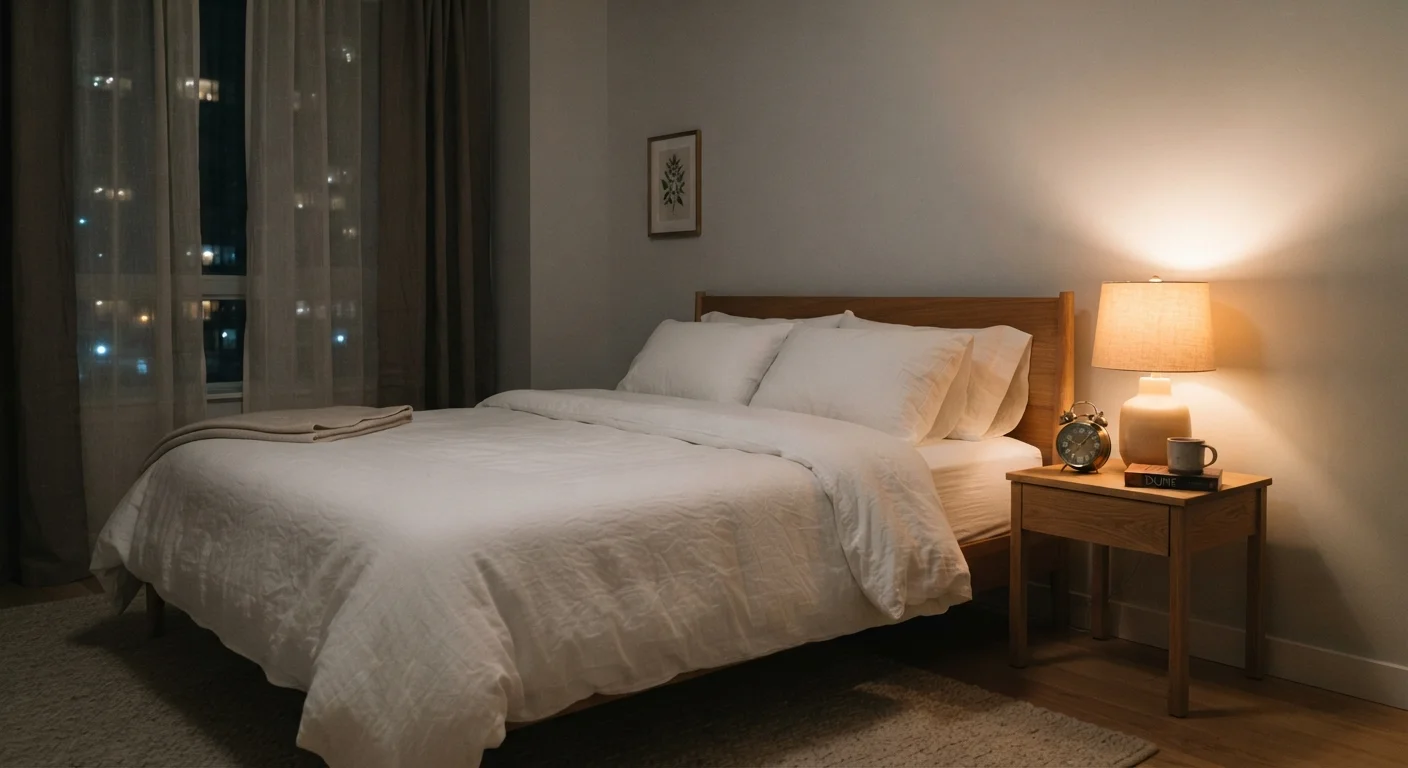
Once you've cleared out the myths, you're left with a simpler - and more sustainable - picture. Consistent sleep and wake times, a dark and cool room, limiting stimulating activity close to bedtime, and managing stress are the pillars that research returns to repeatedly. None of them are glamorous, but they work across a wide range of individual differences.
1 in 3
US adults not getting enough sleep
According to the CDC, about one-third of US adults report regularly sleeping less than the recommended amount for their age group.
~90 min
Average social jet lag shift in adults
Research on circadian rhythms suggests many adults shift their sleep timing by roughly 60-90 minutes between weekdays and weekends, disrupting their internal clocks.
It's also worth understanding how sleep intersects with other wellness habits. Your skin, for instance, does significant repair work overnight - which is one reason nighttime skincare routines function differently than morning ones. Poor sleep can undermine even a well-constructed PM routine.
The bottom line: good sleep hygiene isn't about following a perfect checklist. It's about removing obstacles and creating conditions your body already knows how to respond to.
Persistent Sleep Problems Deserve Professional Attention
Chronic insomnia, frequent nighttime waking, excessive daytime sleepiness, or suspected sleep apnea are not conditions that sleep hygiene tips alone can reliably address. These may have underlying causes - from sleep disorders to mood conditions - that benefit from professional evaluation. If sleep difficulties have persisted for more than a few weeks and are affecting your daily functioning, speak with a healthcare provider rather than continuing to troubleshoot on your own.
This article is for general informational and educational purposes only and does not constitute medical advice. If you are experiencing persistent sleep difficulties, please consult a qualified healthcare professional for personalized guidance.