The Core Philosophy Behind Each Platform
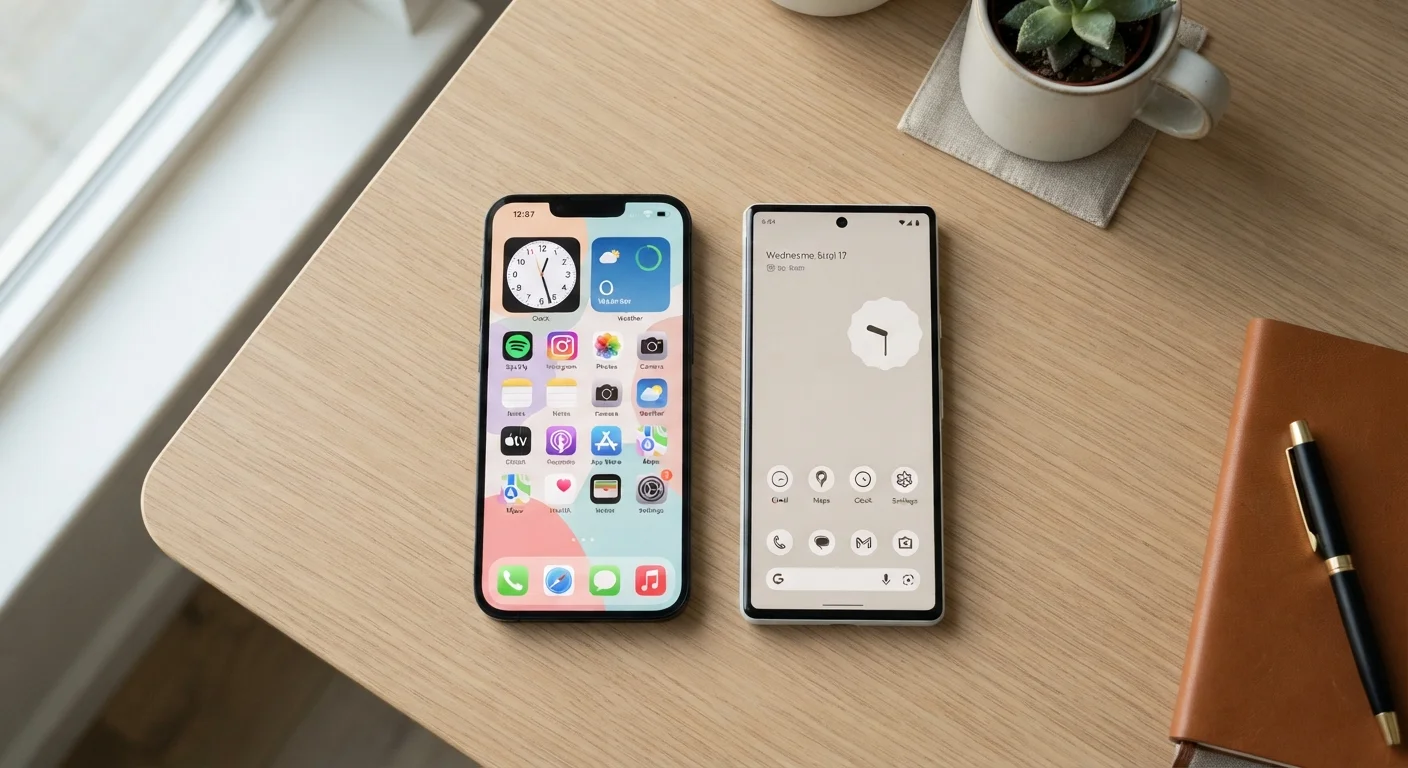
Android and iOS aren't just different software - they reflect two different ideas about how a smartphone should work. Android, developed by Google and used by many device manufacturers, is built around openness. iOS, Apple's mobile operating system, is built around tight integration between software and hardware.
In practice, that means Android gives you more freedom to change things: swap your keyboard, set a third-party browser as your default, rearrange your home screen with widgets, or install apps from outside the official app store. iOS keeps more of that under wraps in exchange for a more predictable, uniform experience across every iPhone.
Neither approach is inherently better. The question is which trade-off suits how you actually use your phone day to day.
| Criterion | Android | iOS |
|---|---|---|
| Home screen customization | Extensive - launchers, widgets, icon packs | Moderate - widgets, limited layout control |
| Default app flexibility | Change defaults for most functions | Expanding but still more restricted |
| Software update speed | Varies by manufacturer and carrier | Simultaneous rollout to all supported devices |
| Hardware price range | Entry-level to flagship | Mid-range to premium only |
| Ecosystem integration | Strong with Google services and some Chromebooks | Deep across iPhone, iPad, Mac, Apple Watch |
| App store openness | Allows sideloading outside Play Store | App Store only (with limited exceptions) |
| Privacy controls | Improved; granular permission settings | Strong; system-level tracking prompts |
Where the Differences Show Up in Real Life
App availability is largely a non-issue for most people - the major apps exist on both platforms. However, some apps still launch first on iOS, and a handful of niche tools remain exclusive to one side or the other. Google's own apps (Gmail, Maps, Drive) work well on both, while Apple apps like iMessage and FaceTime only function on Apple devices.
Updates are where iOS holds a meaningful edge. Apple pushes major iOS updates to all compatible iPhones simultaneously. With Android, updates pass through the phone manufacturer and sometimes the carrier first, which can delay rollouts by weeks or months - or mean some devices never receive them at all.
Customization tilts clearly toward Android. You can change default apps for almost every function, use alternative home screen launchers, and organize your phone in ways iOS simply doesn't permit. iOS has expanded its flexibility over the years - including customizable home screen widgets - but it still operates within tighter guardrails.
For a broader look at how smartphone habits affect daily use, see common smartphone myths worth clearing up.
What About Tablets and Laptops?
The Android vs. iOS question extends beyond phones. Android tablets and iPads follow similar philosophies to their phone counterparts. If you're weighing whether a tablet fits your workflow at all, our guide on choosing between a tablet and a laptop can help you decide before committing to an ecosystem.
Ecosystem, Privacy, and Switching Costs
Your broader device ecosystem matters more than most people expect. If you use a Mac laptop and an iPad, an iPhone slots in naturally - features like Handoff (picking up tasks between devices), AirDrop (wirelessly sharing files nearby), and seamless iCloud sync create genuine daily convenience. Android integrates more smoothly with Google services and, on some devices, with Chromebooks.
On privacy, both platforms have made improvements, but they approach it differently. iOS gives users prominent, system-level prompts to control app tracking. Android has added similar controls and is more transparent about data practices than it was in earlier versions. Understanding how your phone handles data is worth exploring - our article on local vs. cloud processing and what it means for privacy explains related concepts that apply here.
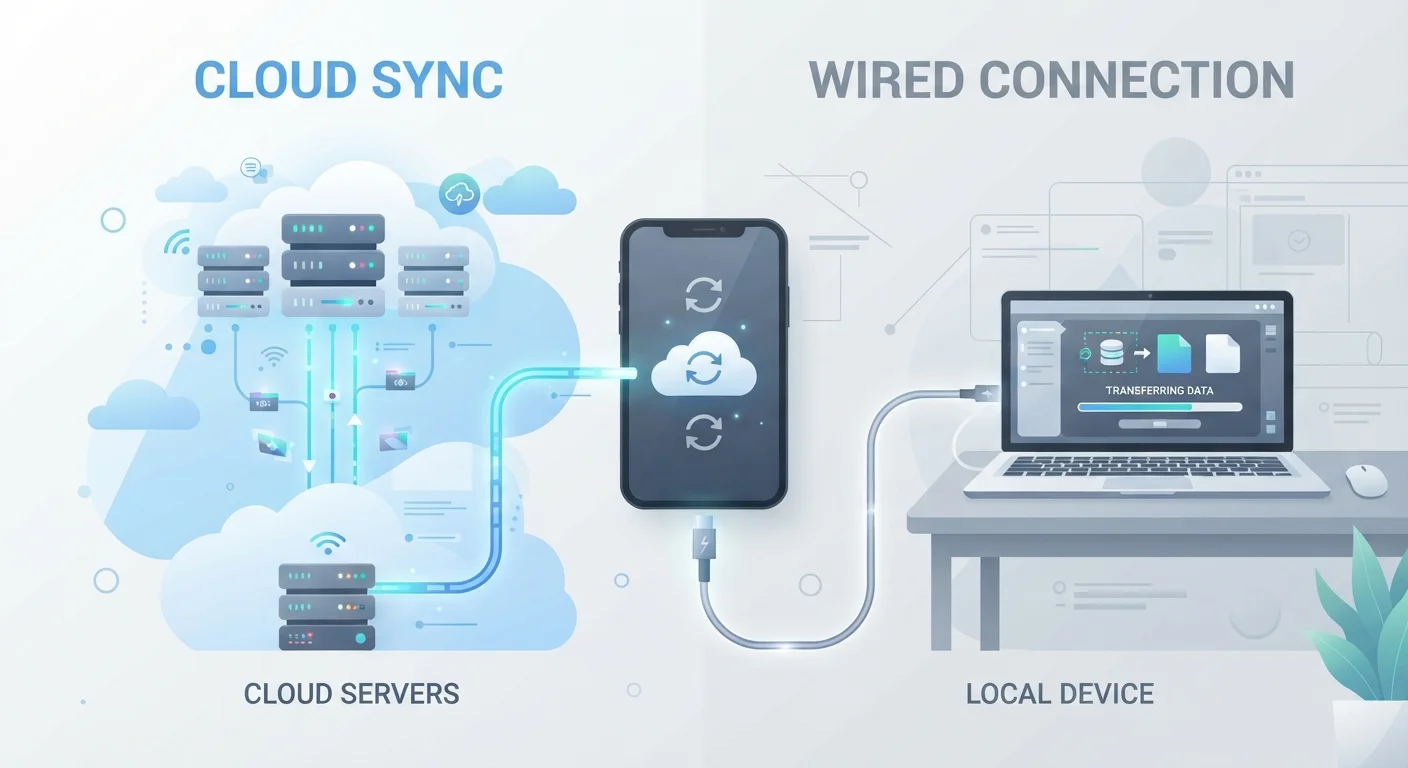
Switching platforms isn't painless. Text message history, app purchases, and some app data don't transfer automatically. If you back up regularly - and understanding cloud versus local backup options helps here - the transition is manageable, but it takes deliberate effort.
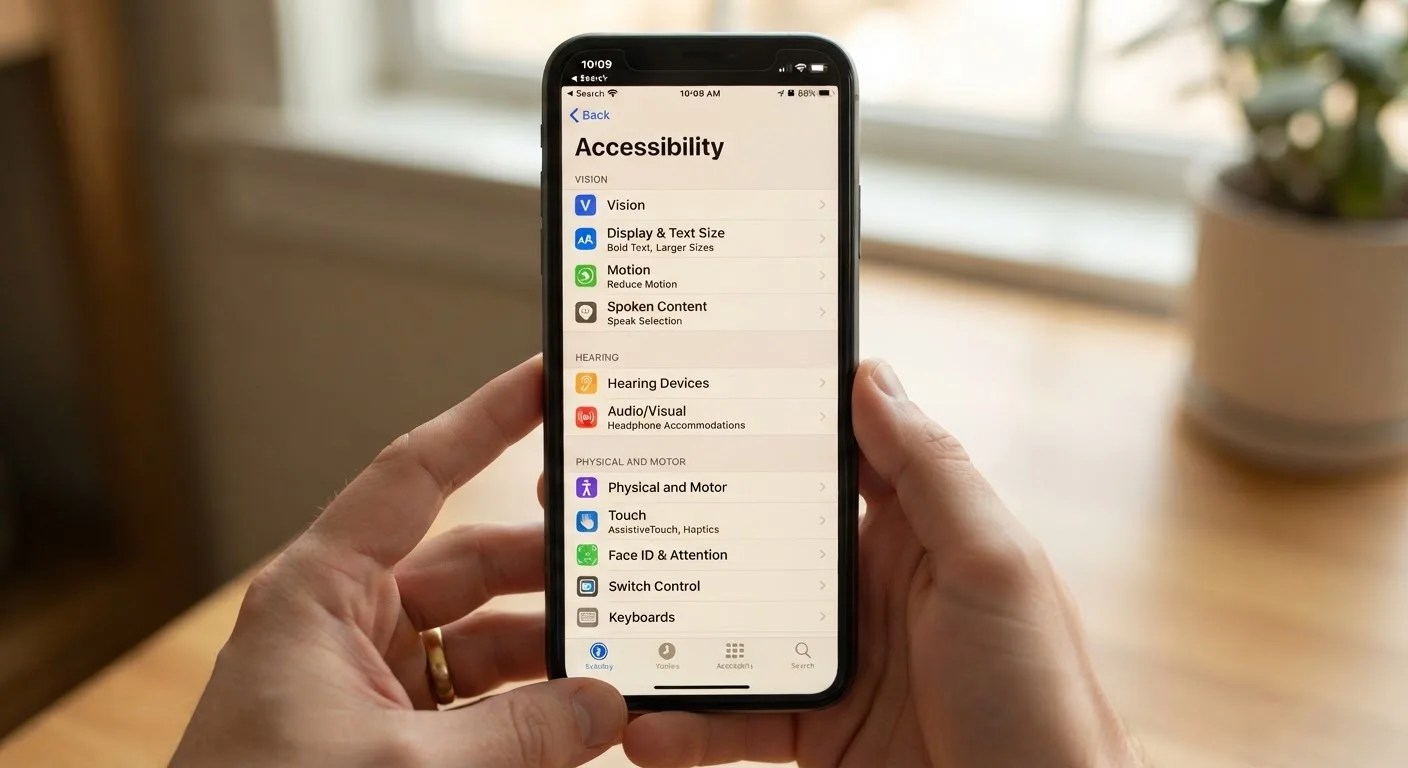
Both platforms also offer robust accessibility features. If that's a deciding factor for you, built-in accessibility tools on modern smartphones covers what each platform brings to the table.
~72%
Global smartphone market share (Android)
According to StatCounter data, Android consistently holds a dominant share of global smartphone usage, while iOS leads in the US and certain other markets.
5-6 years
Typical iOS major update support window
Apple has consistently delivered major OS updates to iPhones for five to six years after release, a benchmark that Android manufacturers have increasingly worked toward matching.