The Basic Idea Behind Shoulder Season
Most travel destinations experience clear rhythms throughout the year - a busy rush of visitors during peak season, a quiet lull in low season, and two transitional windows in between. Those transitional windows are what the travel industry calls shoulder season.
Picture a bell curve. The top of the curve is peak season - the time when a destination is most popular, most crowded, and often most expensive. The far ends are off-season. Shoulder season is the sloping middle ground on either side: still accessible, often pleasant, but noticeably quieter than the peak.
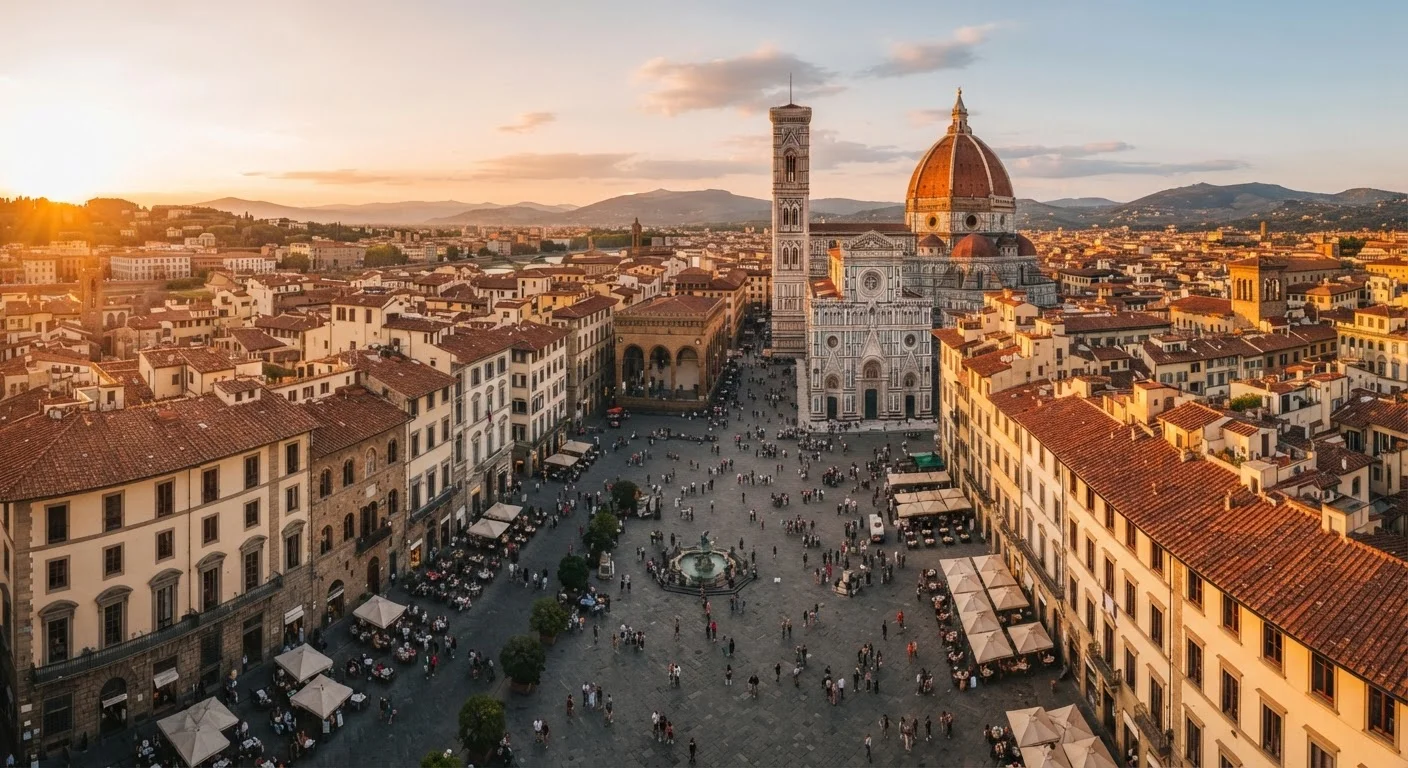
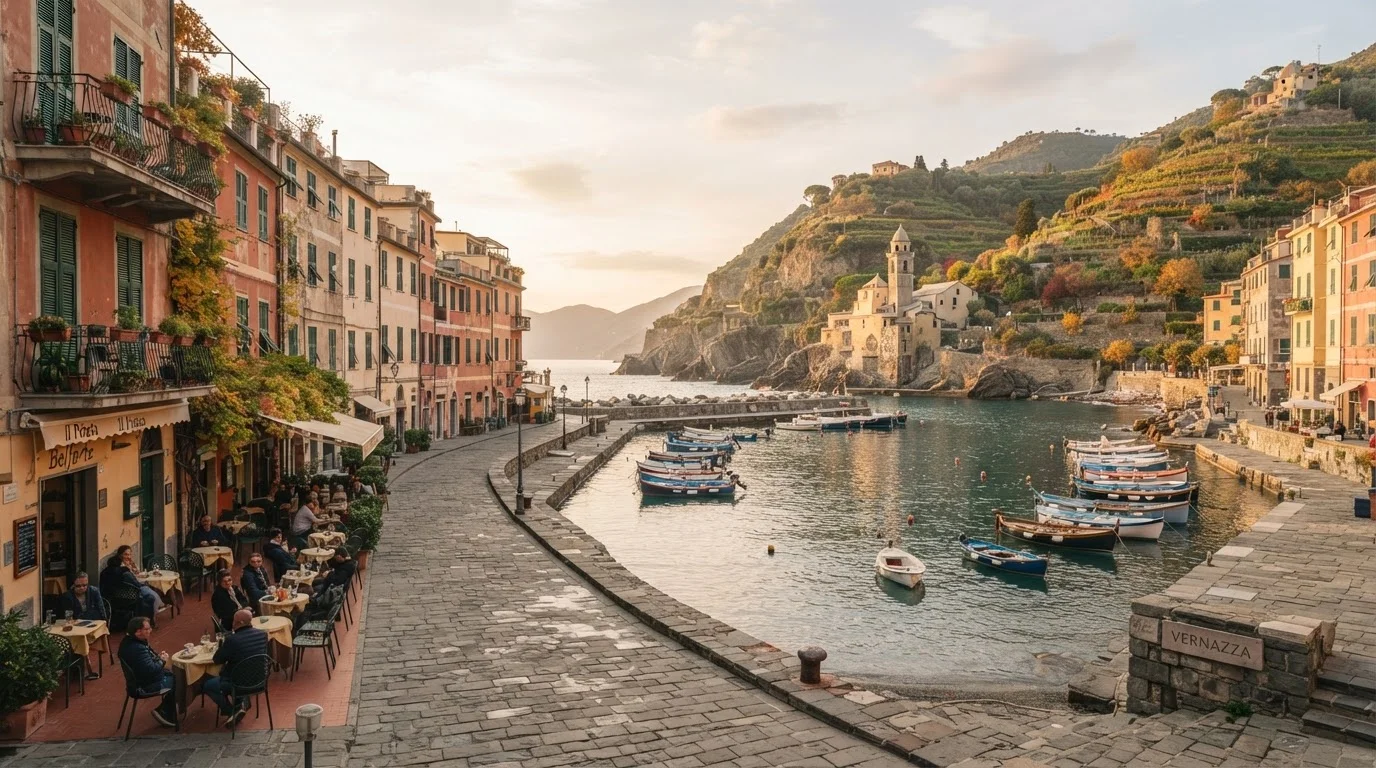
For many destinations, this translates into two distinct shoulder windows per year. A Mediterranean island, for instance, might see one shoulder period in spring before summer vacationers arrive, and another in early autumn after they've left. Both offer a version of the destination that's quite different from July and August.
Shoulder Season Dates Are Not Fixed
Travel guides and tourism boards often publish general shoulder season windows, but these can shift year to year based on local events, climate patterns, and global travel trends. Always verify current conditions and entry requirements with official government or tourism authority sources before finalizing travel plans.
Why Shoulder Season Looks Different Everywhere
One of the most important things to understand is that shoulder season is entirely relative to a specific destination. There is no universal calendar date that triggers it. A city in Southeast Asia has a completely different seasonal rhythm than a ski resort in Colorado or a safari destination in East Africa.
What drives peak and off-seasons - and therefore shoulder seasons - varies by factors like weather patterns, school holiday calendars, local festivals, and the type of tourism a destination attracts. This means you can't assume that "fall is shoulder season" applies everywhere. In some parts of the world, autumn is peak season.
Common myths about off-season travel often stem from travelers applying one region's seasonal logic to another. Doing a quick destination-specific search before you plan can prevent this kind of mismatch.
2x
Crowd difference at major European sites between peak and shoulder months
Visitor volume at top-tier European attractions can roughly double between shoulder and peak months, according to site management reports from multiple UNESCO World Heritage locations.
3-6 weeks
Typical length of shoulder season windows
Most destinations experience two shoulder windows per year, each lasting roughly three to six weeks, though this varies considerably by region and climate.
What Shoulder Season Actually Means for Your Experience
Traveling in shoulder season tends to shape a trip in a few consistent ways, regardless of destination:
- Fewer crowds at major sites: Popular landmarks, museums, and scenic spots are typically less mobbed, which can make visits more enjoyable and unhurried.
- More availability: Accommodations and tours are often easier to book, giving you more flexibility in your itinerary.
- Variable weather: You gain some breathing room from extreme heat or cold, but conditions are less predictable. Pack with adaptability in mind.
- Partial services: Some seasonal businesses - beach bars, mountain refuges, guided tour operators - may be winding down or not yet fully operational.
This mix of trade-offs is exactly why understanding shoulder season matters before you book. If your priority is a relaxed pace with genuine access to local culture, shoulder season may suit you well. If you need every attraction fully open or specific weather guarantees, it's worth digging deeper into the specific months.
For more on how timing decisions ripple into your broader plans, see common itinerary oversights travelers miss - timing is one of the factors most often underestimated.
Research the Destination, Not Just the Season
Before assuming shoulder season fits your trip, look specifically at your destination's calendar. Check whether major local festivals, public holidays, or school break patterns in that region might create a mini peak season within what guidebooks call 'shoulder.' A little destination-specific research goes a long way in setting accurate expectations.
Matching Shoulder Season to Your Travel Style
Shoulder season pairs especially well with certain travel approaches. If you lean toward slow travel - staying longer and moving less, shoulder season's quieter pace and easier access can enhance that experience considerably. You're more likely to interact with locals, find a table without a reservation, and feel like you're experiencing a destination rather than just moving through it.
For travelers who tend to pack their itineraries, shoulder season offers a useful buffer. Comparing slow travel and packed itineraries shows that each style comes with real trade-offs - but shoulder season tends to reward flexibility more than rigid scheduling.
The key is matching the season to your expectations, not assuming that avoiding peak season automatically makes a trip better. Every travel window has its own character. Understanding what shoulder season actually delivers - and what it doesn't - puts you in a much stronger position to decide when to go.