What Each Style Actually Involves
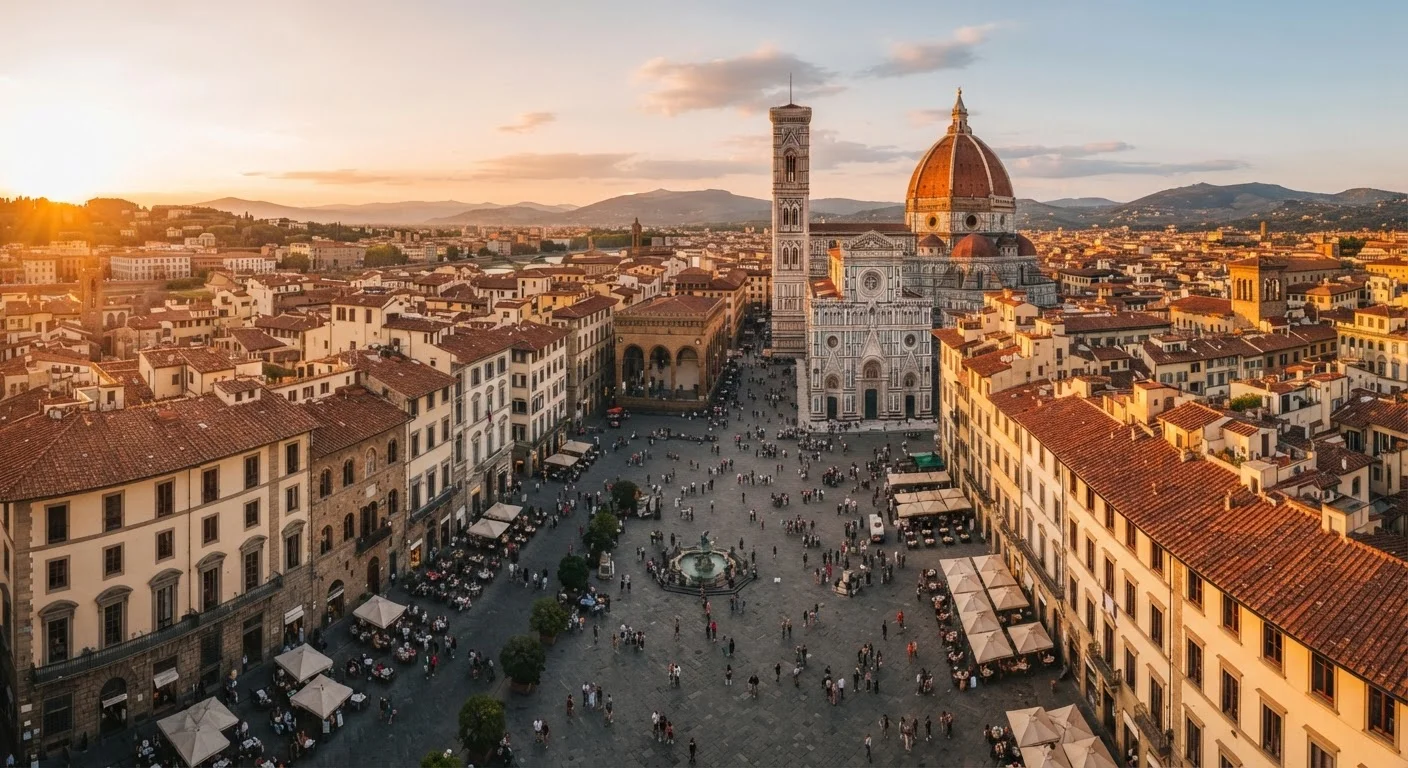
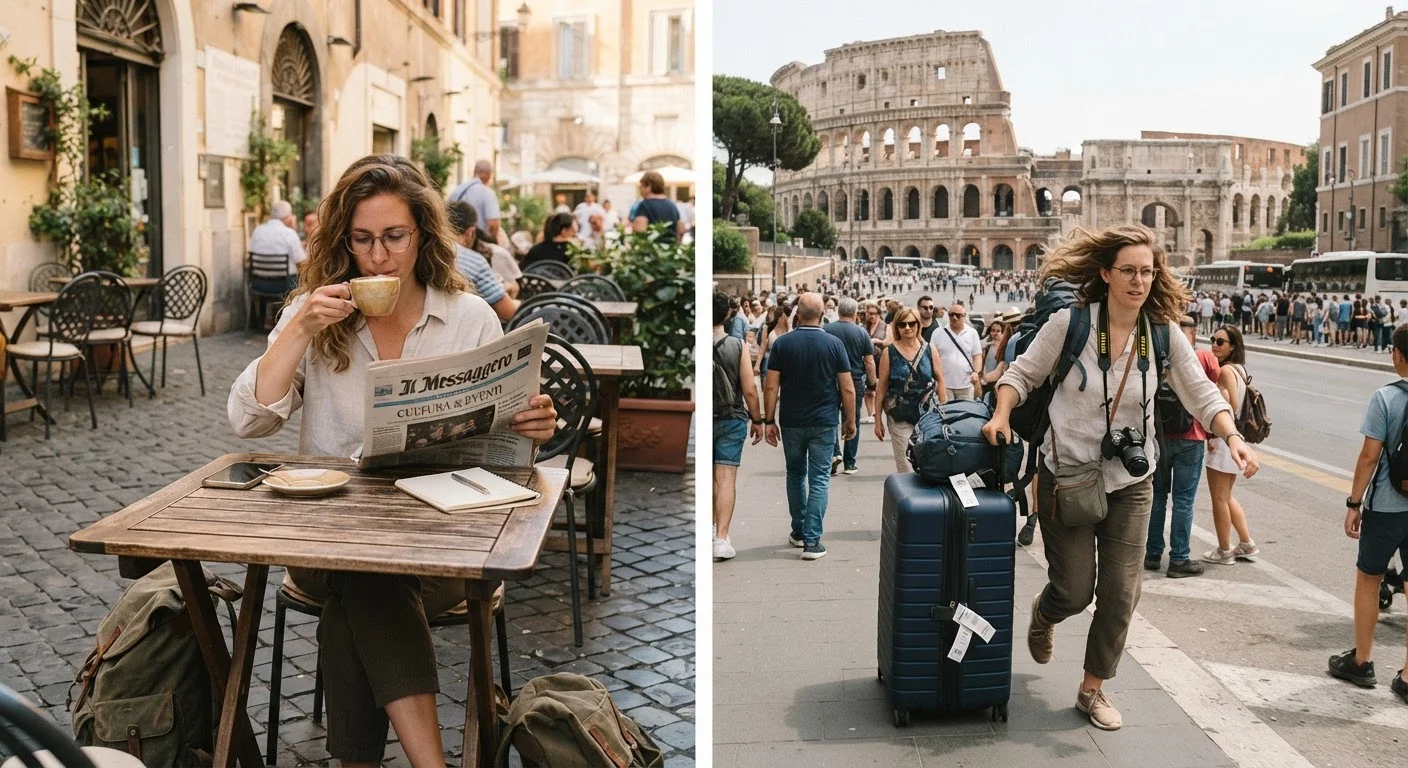
Slow travel means deliberately spending more time in fewer places - renting an apartment for a week rather than hotel-hopping across five cities, shopping at neighborhood markets, and letting unplanned moments fill the calendar. The goal is familiarity over coverage. Slow travel prioritizes depth over distance, and that shift in mindset changes nearly every logistical decision.
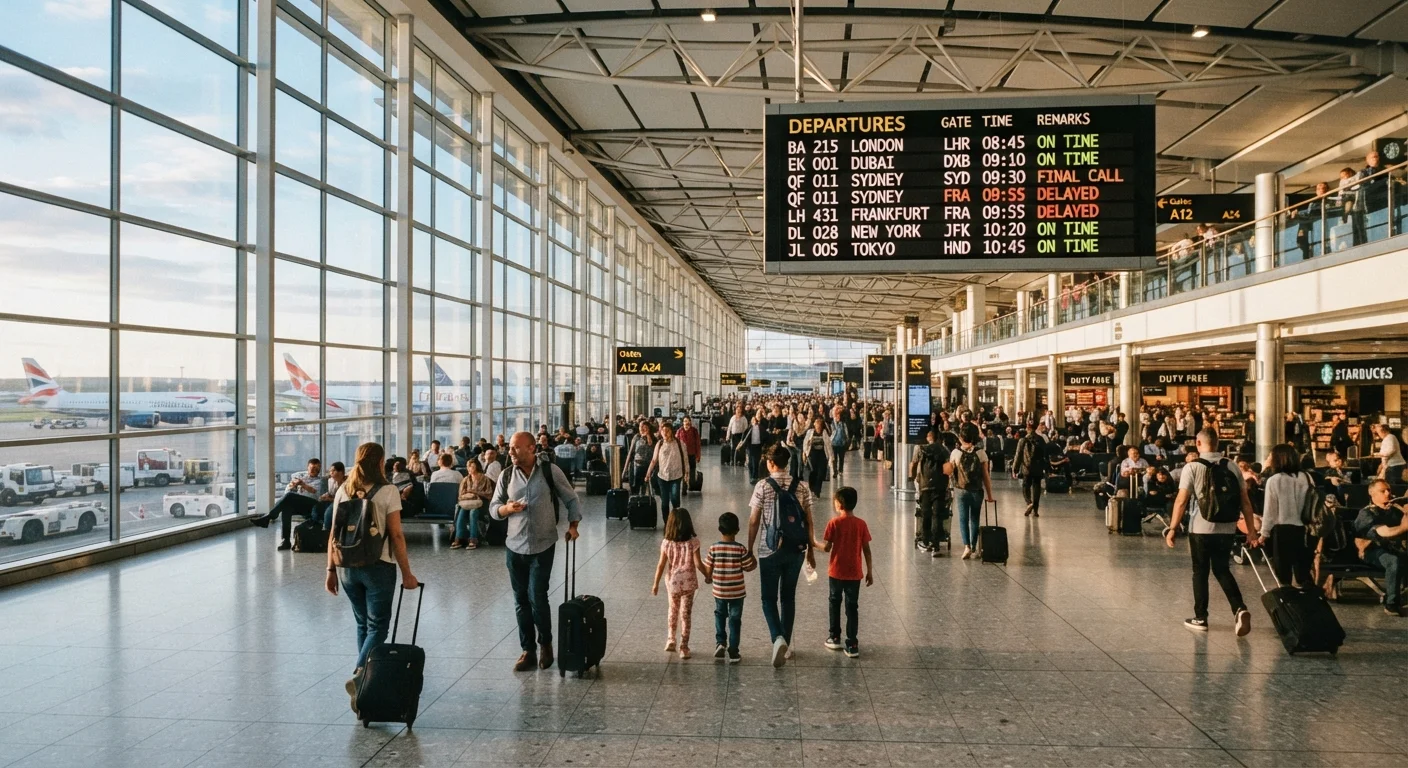
A packed itinerary, by contrast, is engineered for maximum output - a different city or landmark each day, transport booked back-to-back, and a structured schedule that leaves little room for detours. It's efficient in the sense that you see a lot. Whether you absorb a lot is a separate question, and one worth taking seriously before you plan. As explored in why standard group tours often disappoint, the density of a schedule can work against genuine experience.
Cost, Fatigue, and Flexibility Compared
| Slow Travel | Packed Itinerary | |
|---|---|---|
| Daily cost | Often lower (longer stays, self-catering) | Often higher (nightly rates, entry fees) |
| Destinations covered | Few - one to three places | Many - five or more possible |
| Typical fatigue level | Low to moderate | Moderate to high |
| Flexibility | High - easy to adapt plans | Low - schedule is fixed |
| Depth of local experience | High - neighborhood familiarity builds | Variable - depends on itinerary quality |
| Vacation days required | More - two weeks or longer ideal | Fewer - one week workable |
| Planning complexity | Lower - fewer bookings needed | Higher - logistics stack up fast |
Cost patterns differ significantly between the two styles. Slow travelers often spend less per day - weekly apartment rentals, cooking some meals, and skipping paid attractions in favor of walking neighborhoods tend to reduce daily expenditure. The catch: you'll need more days, which may mean more time off work.
Packed itineraries frequently involve higher nightly accommodation costs (shorter stays rarely qualify for weekly discounts), more paid entry fees, and transportation expenses that stack up fast. On a one-week trip, you may cover more ground but spend more doing it.
Fatigue is a real variable. Research on traveler satisfaction consistently identifies over-scheduling as a key driver of post-trip exhaustion. Slow travel builds in recovery time naturally. If you're considering a destination where timing shapes your experience significantly, it's also worth understanding what shoulder season actually means - slower periods often favor the unhurried traveler.
Build in at Least One Unscheduled Day
Regardless of which style you choose, leaving one full day per week with no confirmed plans dramatically improves how the rest of the trip feels. Use it to revisit a place you loved, rest, or follow a local recommendation you picked up along the way. Buffer days protect your schedule from the unexpected and give slow moments room to happen.
Depth of Experience: What You Actually Remember
This is where the two styles diverge most sharply. A packed itinerary gives you a panoramic view - you can say you've been to Rome, Florence, and Venice in ten days. But the impressions tend to be photographic rather than sensory. You remember the landmarks; you're less likely to remember a conversation, a flavor, or a feeling of ease in a foreign street.
Slow travel creates the conditions for those harder-to-plan moments. Staying somewhere for a week means you start recognizing faces at the corner café, picking up the rhythm of the neighborhood, and making the kind of judgment calls that only come with time. Cultural immersion and sightseeing are both valid, but they offer completely different returns.
That said, packed itineraries aren't shallow by design - they're shallow when poorly constructed. A tightly scheduled trip that includes locally led experiences, one full day in each city rather than a two-hour stop, and intentional choices about what to skip can still deliver genuine engagement. See how genuine immersion differs from well-marketed group excursions to build smarter into any schedule.
Don't Let FOMO Drive Your Itinerary
Planning a trip around everything you might regret missing is a reliable route to exhaustion and disappointment. Every stop added to an itinerary compresses the time and energy you have for everything else. Decide what you genuinely care most about, build around that, and treat cuts as upgrades rather than losses.
Choosing Based on Your Actual Situation
The honest framework is this: match your style to your constraints, not to a travel philosophy. If you have ten days and this is your only trip to Japan for the foreseeable future, a structured itinerary covering Tokyo and Osaka may genuinely serve you better than planting yourself in one neighborhood. Tokyo and Osaka deliver very different experiences, and understanding that before you go makes either approach more effective.
If you're traveling with children, older family members, or anyone who tires easily, the built-in pace of slow travel isn't just pleasant - it's practical. The same applies if work stress has left you genuinely depleted and you need the trip to actually restore you rather than just entertain you.
Hybrid approaches work well for longer trips. Spend the first four days in one city - get oriented, go deep - then use the remaining days for one or two additional stops with lighter schedules. For a broader map of how different travel formats stack up, travel styles explained from backpacking to luxury offers a useful reference across the full spectrum. You might also find inspiration in under-explored travel formats that don't fit neatly into either category.
57%
Travelers reporting post-trip exhaustion
A 2023 survey by the American Psychological Association found that more than half of vacationers returned home feeling no more rested than when they left, often citing over-scheduling.
30-40%
Potential savings on weekly vs. nightly rentals
Short-term rental platforms generally show that weekly rates for apartments can run 30-40% less per night than comparable nightly bookings in the same location.