Why Travel Style Matters Before You Book
Not all trips are built the same - and knowing your travel style before you start planning can save you time, money, and serious frustration. Travel style isn't just about budget; it shapes where you stay, how you move between destinations, who you meet, and what kind of memories you bring home. Understanding the major styles helps you match your expectations to reality.
This reference covers the most widely recognized ways people travel today, from scrappy budget adventures to fully curated luxury escapes. Use it as a starting point when building your next itinerary, and see our end-to-end trip planning guide for turning your chosen style into a concrete plan.
| Backpacking daily cost range (developing regions) | Roughly $25-$60/day (General traveler estimates; varies by destination and lifestyle) |
| Mid-range travel daily cost (Western Europe) | Roughly $150-$250/day (General traveler estimates; varies by city and season) |
| Flashpacking distinguishing feature | Long-trip flexibility + comfort budget |
| Slow travel minimum stay (typical) | 2-4 weeks per destination |
| Luxury travel defining factor | Personalized service and curated logistics |
| Adventure travel key consideration | Safety preparation and responsible practices |
The Major Travel Styles, Defined
Each travel style below represents a distinct set of priorities - not a rigid category. Many travelers blend two or more depending on the trip.
Backpacking
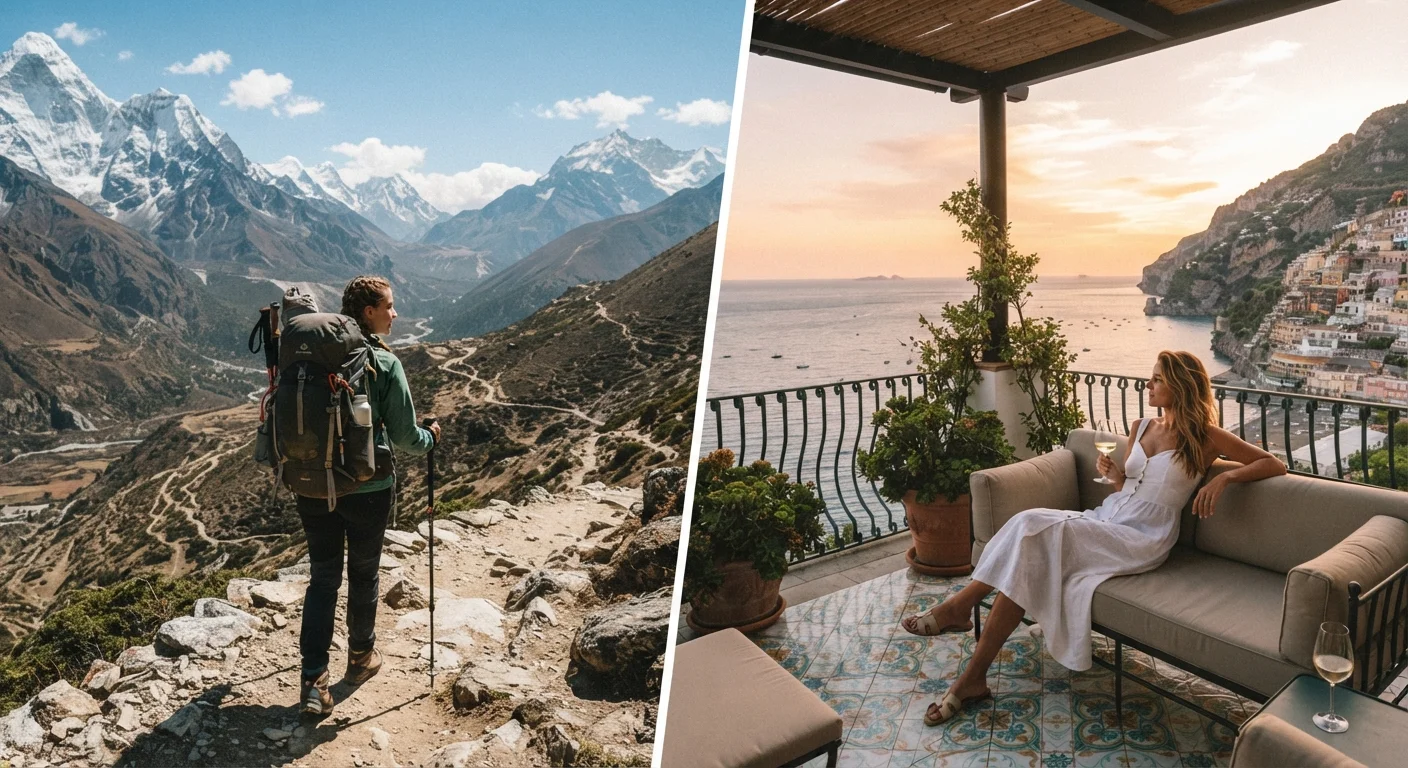
Backpacking centers on maximum flexibility and minimum spend. Travelers typically carry everything in one pack, stay in hostels or budget guesthouses, use local transport, and keep daily costs low. The appeal is spontaneity, authentic local interaction, and the ability to extend a trip almost indefinitely. It suits independent travelers comfortable with uncertainty and shared spaces.
Budget Travel
Budget travel prioritizes cost-consciousness without necessarily embracing the hostel-and-overnight-bus lifestyle. Travelers research affordable accommodations (private rooms at budget hotels or guesthouses), seek out local food markets, and avoid premium tourist experiences in favor of free or low-cost alternatives. It's a broader category than backpacking and includes families, couples, and solo travelers.
Mid-Range Travel
The middle ground - comfortable accommodations like three-star hotels or vacation rentals, a mix of local and sit-down dining, and selective splurges on standout experiences. Most US leisure travelers fall somewhere in this zone. Understanding where your travel money actually goes helps mid-range travelers stretch their dollars without sacrificing comfort.
Flashpacking
Flashpacking blends the backpacker spirit - long-term travel, open itineraries, off-the-beaten-path destinations - with a higher budget. Flashpackers often stay in boutique hotels or private rooms, travel with quality gear, and use ride-hailing apps rather than always taking the cheapest option. It's adventure travel with a comfort upgrade.
Luxury Travel
Luxury travel is defined less by price and more by intention: personalized service, curated experiences, premium accommodations, and seamless logistics. Think private guides, business-class flights, spa resorts, and bespoke itineraries. The goal is depth and comfort rather than breadth and adventure.
Slow Travel
Slow travelers spend extended time in fewer places - renting an apartment for a month instead of hitting six countries in two weeks. The style prioritizes immersion, routine-building, and meaningful connection with a destination. It's often more affordable than rushed itineraries, and pairs well with remote work arrangements.
Adventure Travel
Adventure travel centers on physical activity and nature-based experiences: trekking, rafting, climbing, cycling tours, or wildlife expeditions. Safety preparation and responsible practices matter here - especially for wildlife-focused travel. Budgets vary widely depending on destination and activity.
Cultural and Heritage Travel
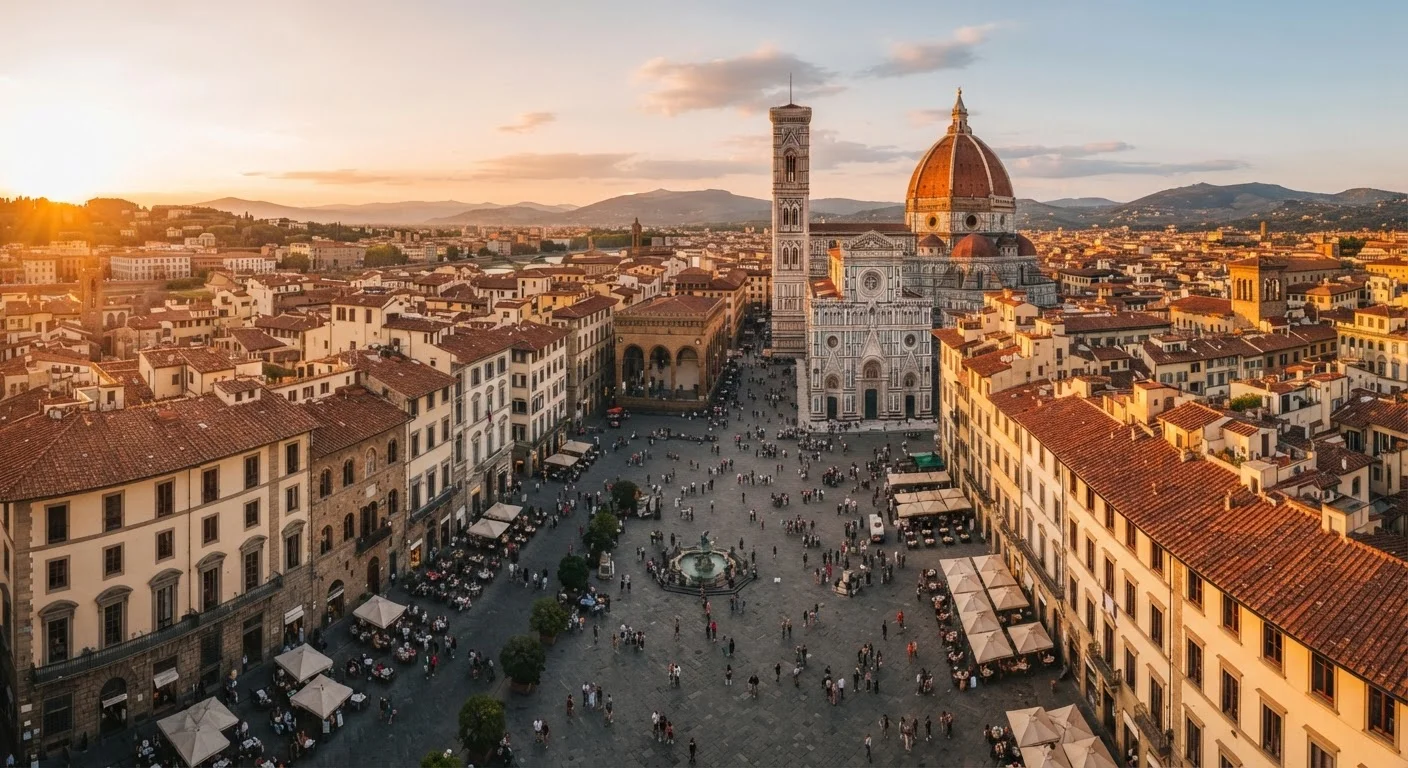
This style organizes a trip around historical sites, local traditions, arts, and food culture. Travelers seek context and meaning over novelty. It often overlaps with slow travel and can be pursued at almost any budget level. Under-explored formats like heritage trails and river journeys often appeal to this type of traveler.
Backpacking
A travel style emphasizing low cost, maximum flexibility, and carrying all belongings in a single pack. Typically involves hostels, local transport, and spontaneous planning.
Flashpacking
A hybrid style combining the open-ended, exploratory spirit of backpacking with a higher budget - often including private accommodations and quality gear.
Slow Travel
An approach that prioritizes spending extended time in fewer destinations to build genuine familiarity and connection rather than checking off a long list of stops.
Curated Itinerary
A pre-planned, personalized travel schedule - common in luxury travel - designed by a specialist or operator to match the traveler's specific interests and preferences.
Mid-Range Travel
Travel that targets comfortable but not extravagant accommodations and dining, with selective spending on standout activities. The most common style among US leisure travelers.
Choosing the Style That Fits Your Trip
Your ideal travel style on any given trip is shaped by three intersecting factors: available budget, time, and what you actually want to get out of the experience. A two-week family vacation calls for different choices than a three-month solo sabbatical. Neither is superior - they're just different tools for different goals.
It's also worth recognizing that travel styles aren't mutually exclusive. Many experienced travelers use a luxury style for one leg of a trip and a budget approach for another. Comparing the trade-offs between immersive and more tourist-friendly approaches is worth thinking through - see the real trade-offs between living like a local and doing the tourist circuit.
Once you've identified your style, the practical work of budgeting, packing, and logistics all follow more naturally. The Trip Planning Tips hub is a solid next stop for turning style into structure.
70%+
US travelers who identify as budget-conscious planners
Multiple consumer travel surveys consistently show the majority of US leisure travelers prioritize cost management when planning trips.
1 in 3
Travelers who have tried slow travel or extended stays
Interest in longer, more immersive trips grew noticeably following the expansion of remote-work arrangements in recent years.
Travel conditions, costs, and entry requirements change frequently. Always verify visa, health, and safety information with official government sources and your travel provider before booking.