Why the Word 'Immersive' Gets Slippery
Open almost any tour operator's website and you'll find the word immersive attached to everything from three-hour cooking demonstrations to bus tours with a folk dance finale. The term has become a catch-all - evocative, vaguely flattering, and almost entirely unregulated. That's not necessarily dishonest on the part of operators, but it does mean the word alone tells you very little about what you'll actually experience.
Packaged excursions, by contrast, are remarkably transparent about what they are. A packaged excursion promises a structured itinerary, professional logistics, a guide, and reliable access to predetermined sites. It does exactly what it says. The confusion arises only when operators label a packaged format as immersive - borrowing the emotional appeal of depth without delivering the substance.
Understanding what genuine immersion requires is the most useful skill a traveler can develop. It makes marketing language legible and helps you choose experiences that match what you're actually looking for. For a broader look at how these approaches play out at the destination level, cultural immersion compares to sightseeing in meaningful ways worth understanding before you book.
| Criterion | Immersive Experiences | Packaged Excursions |
|---|---|---|
| Core format | Participatory, relationship-based | Guided, itinerary-driven |
| Pacing | Slower, flexible | Structured, time-bound |
| Logistics burden | Higher - more self-directed | Low - handled by operator |
| Cultural contact | Direct, often unscripted | Limited, usually curated |
| Predictability | Lower - outcomes vary | High - standardized experience |
| Accessibility | Variable by format | Generally higher |
| Best trip length | Extended stays or return visits | Short trips or first-time visits |
What Genuine Immersion Actually Involves
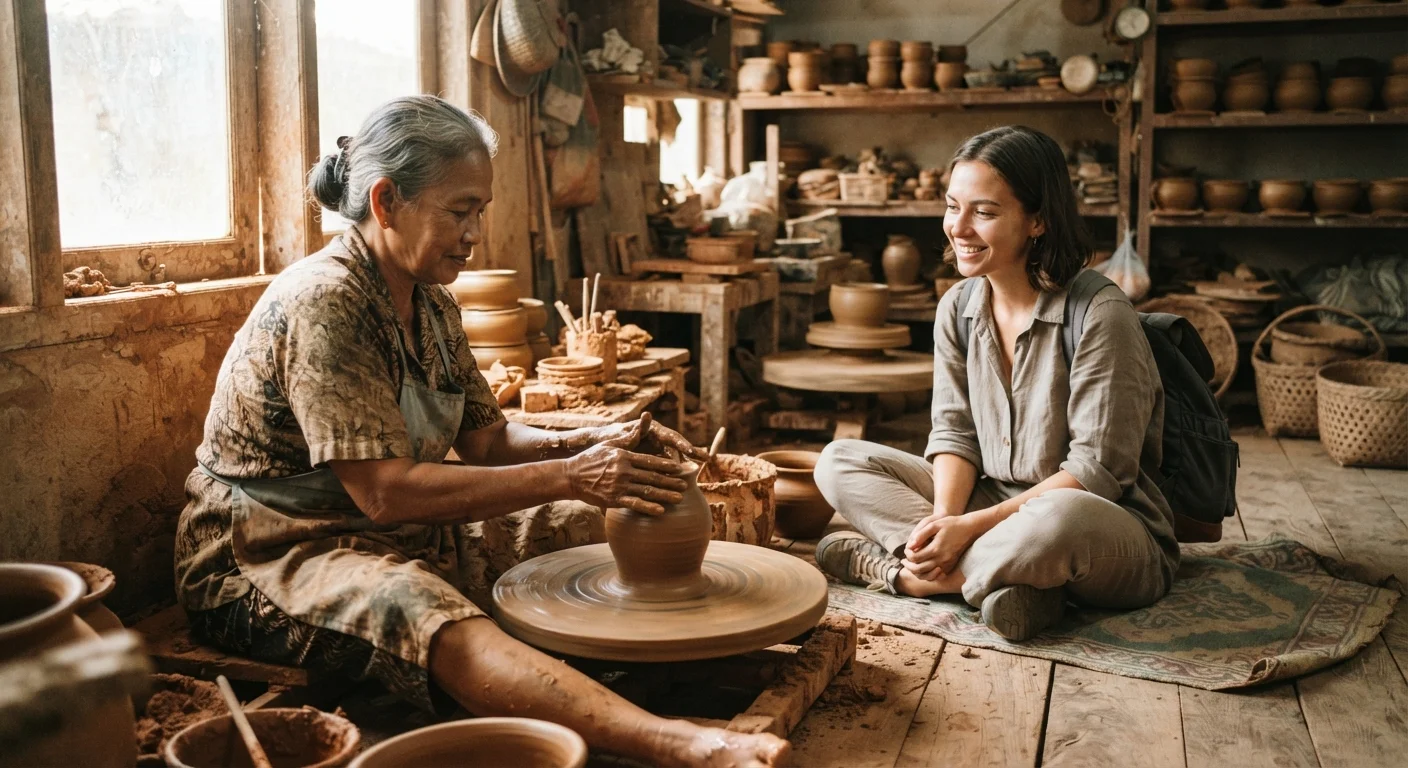
Authentic immersion has a few consistent hallmarks that distinguish it from a well-produced group experience. The most reliable signal is participation over observation. A cooking class where you watch a chef demonstrate a dish is entertaining and educational; one where you shop at a local market with a host family, negotiate prices, and cook together in their home is immersive. The difference is agency and genuine social contact.
A second marker is unscripted time and access. Immersive formats typically involve some element of uncertainty - not reckless, but real. You might stay with a host family, join a neighborhood activity, or spend time in a community that wasn't pre-optimized for tourist comfort. This friction is part of what makes the experience stick.
Third, immersive experiences usually involve a more specific guide or facilitator - someone who is a practitioner, resident, or community member rather than a licensed generalist. Their knowledge is personal and contextual rather than encyclopedic and rehearsed.
72%
Travelers seeking meaningful local connection
A 2023 Booking.com Sustainable Travel Report found nearly three-quarters of global travelers want experiences that feel genuinely connected to local culture and community.
2-4 hrs
Typical packaged excursion duration
Most commercially operated half-day excursions run between two and four hours, limiting the depth of local interaction by design.
If you've ever returned from a group tour feeling like you skimmed the surface, why group tours often feel shallow is worth reading - it explains the structural reasons behind that experience and how to approach things differently.
The Real Strengths of Packaged Excursions
None of this is an argument against packaged excursions - they solve real problems for real travelers. When you're navigating a new region with unfamiliar language, infrastructure, or safety considerations, a structured excursion removes friction that might otherwise prevent you from seeing anything at all. Logistical reliability has genuine value.
Packaged formats also tend to be more accessible. They accommodate a wider range of mobility needs, require less advance planning, and often provide the orientation that makes independent exploration later far more rewarding. Many experienced travelers use a packaged overview early in a trip to get their bearings before venturing out on their own terms.
The key is to use them intentionally. If your goal is efficiency, orientation, or a sampler of highlights, a packaged excursion is an honest and sensible tool. Problems arise only when travelers expect immersive depth from a format that was never designed to provide it. Slow travel and packed itineraries each deliver specific things - knowing which you're buying helps you evaluate honestly.
Travelers who want to move beyond standard formats altogether can explore under-explored travel formats that sit interestingly between these two poles.
A Note on Marketing Language
When evaluating any experience described as 'immersive,' look past the headline and read the itinerary details. Ask: Will I be doing, or watching? Will I interact with residents, or performers? Is there unstructured time built in? Operators who design genuinely immersive formats tend to describe the process, not just the outcome - and their descriptions usually include specific names, neighborhoods, or people rather than generic appeals to 'authentic culture.'