The Gap Between the Brochure and the Experience
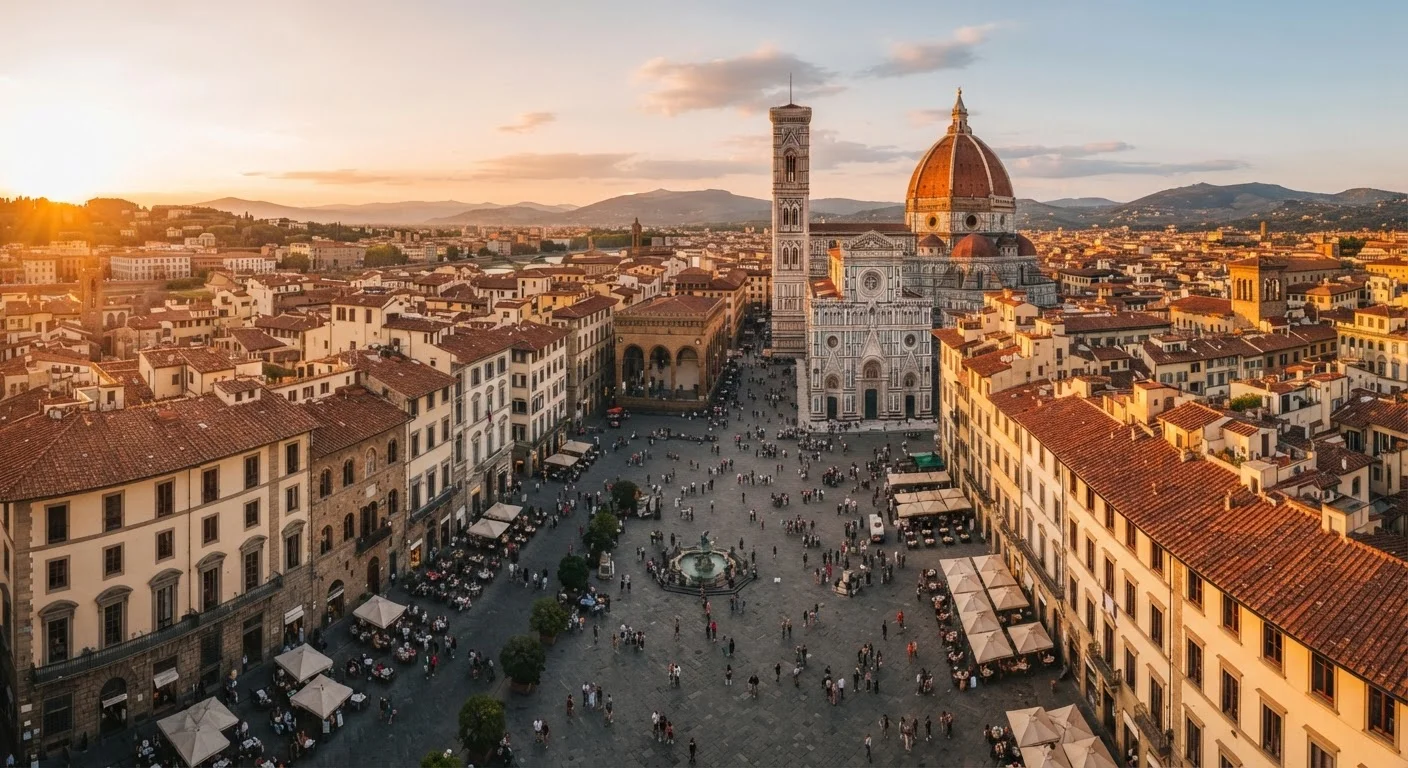
You signed up for a tour of a country you'd dreamed about visiting for years. The itinerary promised iconic landmarks, local cuisine, and cultural encounters. But somewhere between the third rushed museum and the fourth gift shop stop, something felt off. That lingering sense of having skimmed the surface rather than actually arriving somewhere - that's not unusual, and it's not entirely your fault.
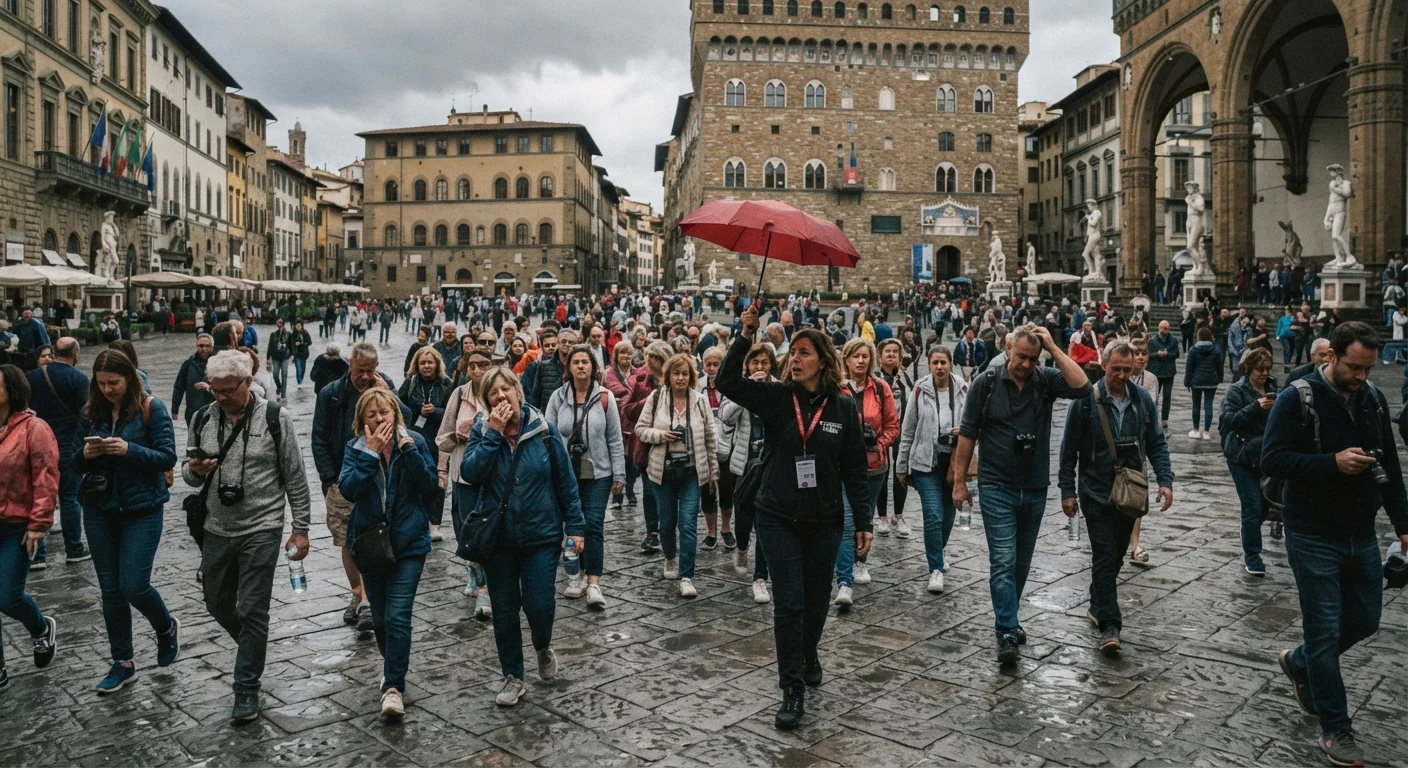
Standard group tours are engineered around operational constraints: moving dozens of people across multiple sites while keeping to a fixed schedule. Cultural depth is genuinely hard to package at scale. Understanding why tours often feel hollow is the first step toward either choosing a better-fit format or adjusting how you engage with the one you're on. Our guide to cultural immersion vs. sightseeing breaks down exactly what separates the two approaches.
Common Mistakes That Make Group Tours Feel Hollow
Most group tour disappointments trace back to a handful of predictable errors - in how travelers choose tours, prepare for them, and participate once they're on the road.
Choosing a tour based on the number of destinations rather than depth of experience at each one.
Why it happens: Multi-country or multi-city itineraries look impressive on paper, and more destinations can feel like better value for money.
Treating the group itinerary as the complete trip rather than its skeleton.
Why it happens: Many travelers assume that booking a tour means all meaningful planning is done. The tour handles everything, so independent exploration feels unnecessary.
Staying with the group during every free moment instead of stepping away to observe independently.
Why it happens: The social dynamics of group travel create a gravitational pull - it can feel awkward or even disloyal to wander off.
Skipping pre-trip research because the guide will explain everything.
Why it happens: Guides do provide context, but they're working within time constraints and tailoring information to a broad, mixed-knowledge group.
Accepting the itinerary's framing of what 'local' means without questioning it.
Why it happens: Tour operators use words like 'authentic' and 'local' freely, and travelers understandably take them at face value.
More Stops Doesn't Mean More Experience
A tour covering eight countries in twelve days may feel ambitious, but compressed itineraries often produce fatigue faster than they produce insight. If your goal is to actually understand a place - its people, rhythms, and character - density of destinations works against you. Consider whether a focused trip to two or three places might deliver more than a rapid-fire sweep across a region. The difference between immersion and sightseeing is often simply a matter of pace.
What to Do Instead: Practical Shifts That Change the Experience
74%
Travelers who want more local interaction
A survey by the World Tourism Organization found nearly three-quarters of travelers cite meaningful local engagement as a top priority, yet most standard tours don't structurally deliver it.
2-3 nights
Minimum stay for destination depth
Travel researchers and experienced guides broadly suggest that spending fewer than two nights in any location makes genuine cultural engagement statistically unlikely.
Reformatting your approach doesn't necessarily mean abandoning group travel - it means being more deliberate about how you layer it into a trip. One of the most effective strategies is treating any structured tour as a foundation, not the whole experience. Book your group days for logistics-heavy or access-restricted sites (certain archaeological zones, permit-required parks, guided-only monuments), then fill remaining days with self-directed time.
Before departure, identify one or two neighborhoods, markets, or local institutions that the tour doesn't touch - and schedule yourself to visit independently. Even a single unscripted afternoon in a city can recalibrate your relationship with a destination. Our piece on common itinerary oversights covers exactly how to build that breathing room in. You might also explore alternative travel formats that are structurally better aligned with immersive goals - from heritage trails to small-group journeys.
If you're committed to a group format, read operator materials critically. Look for itineraries that include meals at non-tourist establishments, interactions with local artisans or community members, or free time built into the schedule. These are signals of a tour designed with experience - not just efficiency - in mind. See how to read the difference between genuine immersion and a well-marketed excursion before you book.
Verify Entry, Safety, and Health Requirements Independently
No matter how reputable your tour operator, always verify visa requirements, travel advisories, vaccination recommendations, and local regulations through official government and health authority sources before your trip. Conditions change, and tour materials are not a substitute for up-to-date official guidance. Your country's foreign affairs or state department website is the authoritative starting point.