The Core Idea Behind Slow Travel
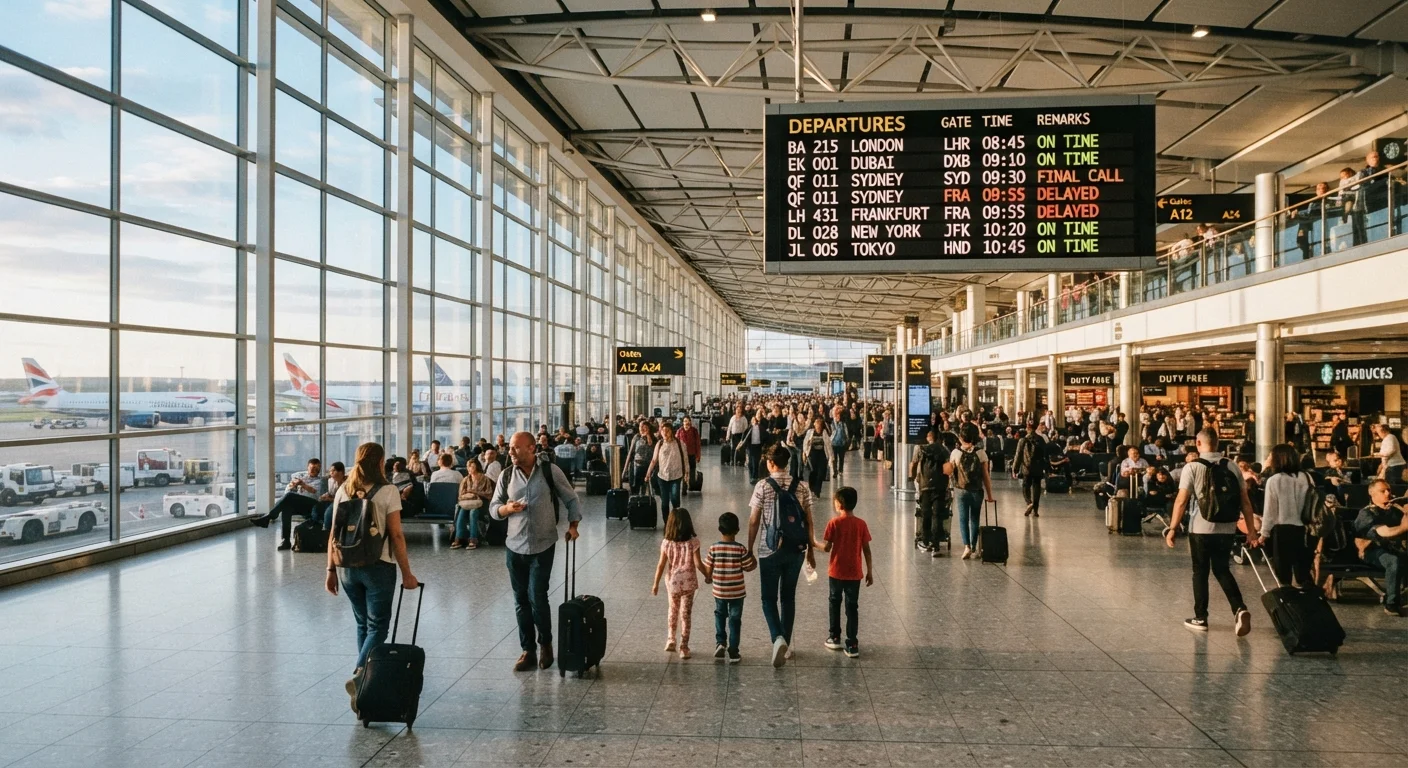
At its heart, slow travel is a deliberate pushback against the whirlwind itinerary - the kind that has you in Paris on Monday, Rome on Wednesday, and Barcelona by Friday. Instead of treating a trip like a checklist, slow travelers commit to staying in one place long enough to actually get comfortable there.
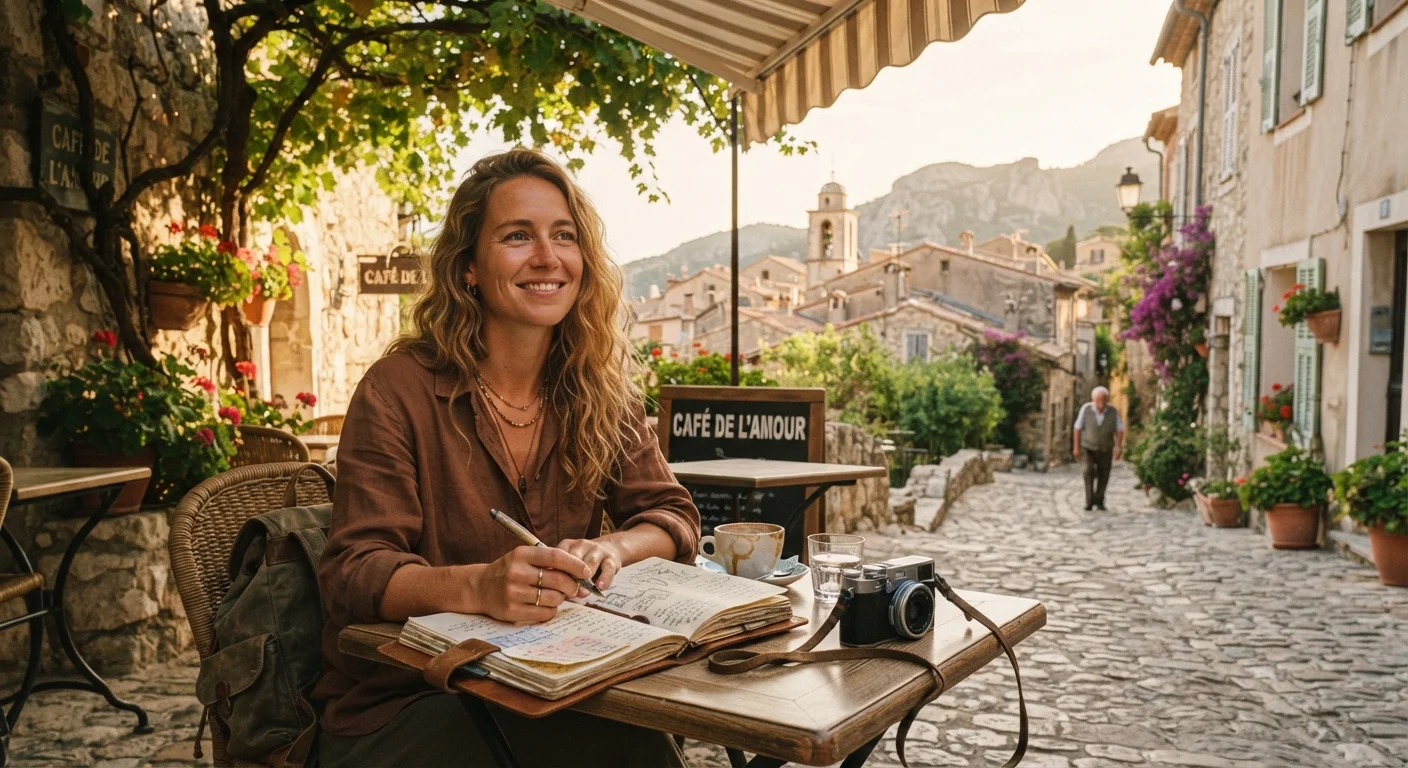
That might mean renting an apartment for two weeks in a single neighborhood, buying groceries at the corner market, discovering a favorite café, and learning which streets are worth wandering at dusk. It's the difference between seeing a place and knowing it a little.
Slow travel fits within a broader spectrum of how people approach trips - if you're curious about other travel philosophies, the travel styles guide offers a useful comparison across approaches. And for those weighing the honest trade-offs between slow and packed itineraries, this breakdown gets into the real-world differences.
Start Small if You're New to This
You don't have to commit to a month abroad to try slow travel. On your next trip, simply add two or three extra days in your first destination before moving on. Notice how the place starts to feel different by day three or four - that familiarity is the whole point.
How It Differs From Conventional Tourism
Conventional tourism often optimizes for coverage - more cities, more landmarks, more photos. Slow travel optimizes for experience. The practical differences show up quickly:
- Accommodation: Slow travelers more commonly rent apartments or stay in locally owned guesthouses rather than chain hotels, which builds a more residential feel.
- Food: Rather than eating at tourist-area restaurants, slow travelers tend to shop markets and cook occasionally, or find neighborhood spots where locals actually eat. This connects naturally to intentional culinary travel, where food becomes a lens for understanding culture.
- Pace: Days aren't packed with back-to-back tours. There's room for spontaneity - an unexpected festival, a conversation with a neighbor, a second visit to a museum that surprised you.
This slower pace also tends to reduce the exhaustion many travelers feel after a packed trip. You return home having rested inside your trip, not just from it.
“The slower you go, the more you see. Rushing through a place is like skimming a book - you finish it, but you haven't really read it.”
— Pico Iyer, Travel writer and author known for essays on place, identity, and the meaning of travel
Practical Ways to Travel Slowly
Slow travel isn't reserved for retirees or remote workers with flexible schedules. With a bit of planning, most travelers can apply its principles even within limited time off.
60%+
Travelers reporting post-trip exhaustion
Travel industry surveys have consistently found that a significant share of vacationers return home feeling they need another vacation to recover from their trip.
2-4 weeks
Typical slow travel stay in one location
Among self-identified slow travelers, staying two to four weeks in a single destination is commonly cited as the range where genuine familiarity with a place begins to develop.
A few approaches that tend to work well:
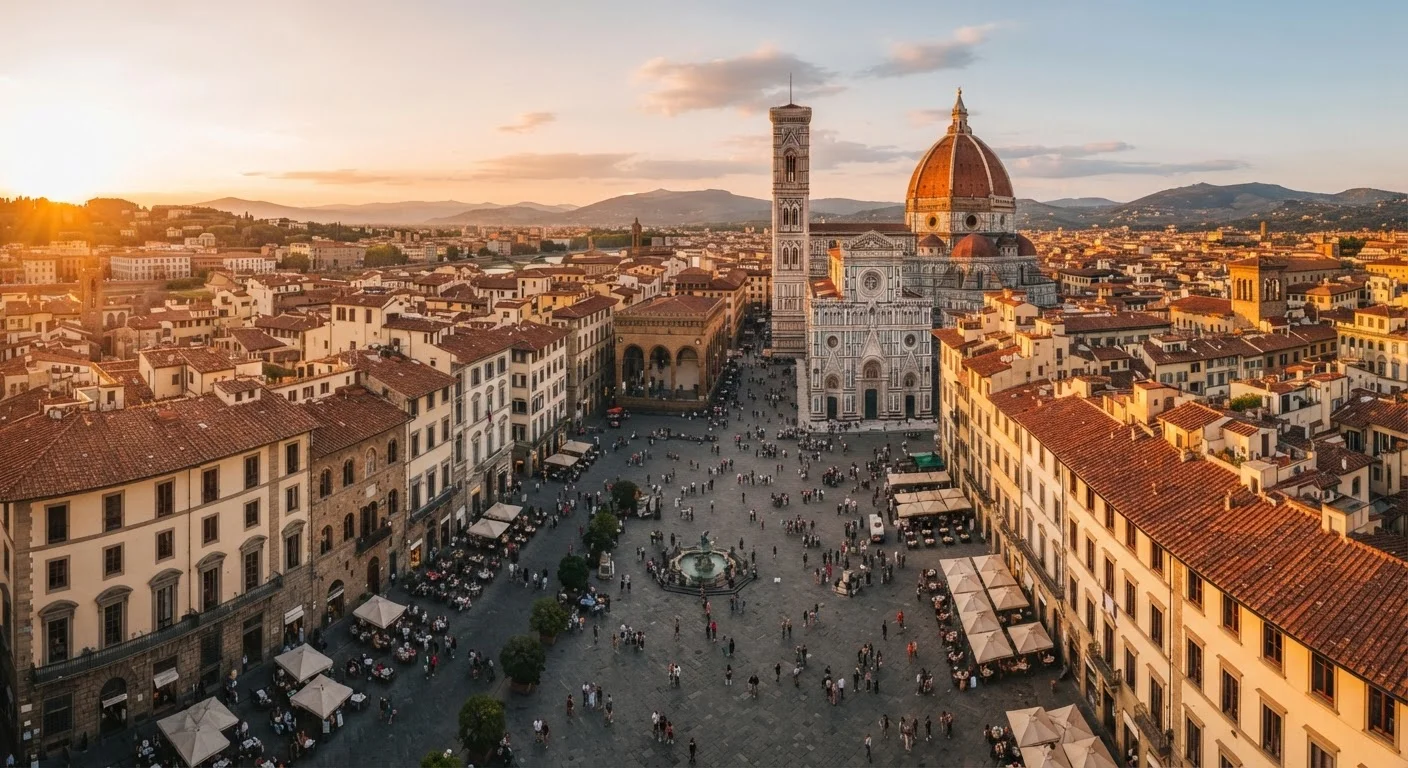
- Choose one region, not one country. Instead of covering all of Italy, spend your trip exploring just Puglia. You'll go deeper and stress less.
- Book accommodation with a kitchen. Even a simple kitchenette changes how you experience a place - suddenly you have a reason to visit the local market each morning.
- Travel during shoulder season. Fewer crowds and lower costs make lingering easier and more enjoyable. Understanding shoulder season can reshape how you think about timing your trips.
- Leave buffer days unplanned. Resist the urge to fill every day. The unplanned moments are often where the best memories form.
For broader trip-planning frameworks, the Trip Planning Tips hub covers budgeting, packing, and logistics in practical detail.
Why It's Gaining Traction
Slow travel isn't a new idea, but it's attracting more interest as travelers reflect on what they actually want from their trips. Post-trip burnout - arriving home more exhausted than when you left - is a common complaint with heavily scheduled itineraries. Slow travel offers a structural solution, not just a mindset shift.
There's also a growing awareness around sustainable tourism. Spending more money in fewer places tends to concentrate economic benefit locally, rather than spreading thin tourist dollars across multiple destinations without meaningful impact.
For those curious about going even further into local immersion, this honest look at living like a local versus doing the tourist circuit lays out the real trade-offs of each approach. And if you're considering less-trafficked travel windows, common myths about off-season travel are worth examining before you decide.
Slow travel won't suit every traveler or every trip. But for those willing to trade breadth for depth, it can transform a good vacation into a genuinely memorable experience.
Slow Travel Looks Different for Everyone
For a solo traveler, slow travel might mean renting a room in a residential neighborhood for a month. For a family, it could mean booking a beach house for ten days and actually using it as a base rather than a waypoint. The philosophy scales - what matters is the intention behind how you spend your time, not the length of your trip.