
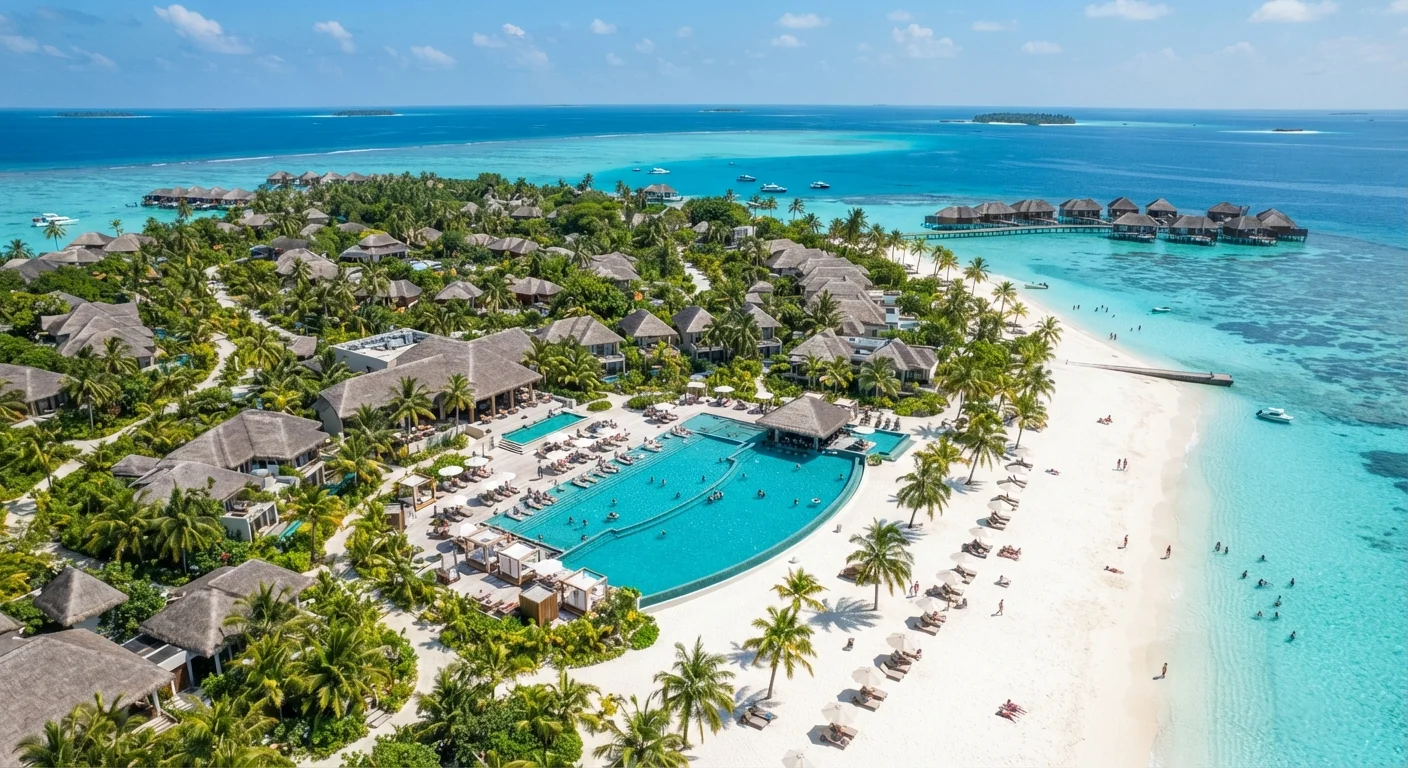
What an All-Inclusive Package Actually Includes
The term "all-inclusive" sounds comprehensive, but what's actually covered varies considerably by resort and destination. At its core, most all-inclusive packages bundle accommodations, meals, non-premium beverages, and a rotating roster of on-site activities into one upfront price. Many Caribbean and Mexican resorts - the most popular all-inclusive markets for US travelers - also include non-motorized water sports, entertainment, and gratuities for standard service.
What often isn't included: premium liquor brands, off-site excursions, spa treatments, à la carte dining upgrades, and airport transfers. Before assuming a package covers everything, read the fine print carefully. Our guide to hidden travel costs can help you identify charges that tend to sneak up on travelers even inside all-inclusive stays.
"All-Inclusive" Isn't a Standardized Term
There's no universal industry definition of what "all-inclusive" must cover - it varies by resort, chain, and destination country. One resort's all-inclusive might include premium spirits and airport transfers, while another's covers only buffet meals and domestic beer. Always request a full inclusions list in writing before booking, and check whether specialty restaurants, room service, or kids' clubs require additional fees.
The Real Advantages of Going All-Inclusive
For the right traveler, the all-inclusive model solves several genuine travel pain points simultaneously.
Predictable upfront cost eliminates budget anxiety
Paying one price for accommodations, food, and drinks removes day-to-day spending decisions, making it easier to relax without tallying a running total.
Convenient for families and large groups
A single package simplifies coordination for groups with different tastes and needs, reducing the negotiation around where to eat or what to do each day.
On-site activities are readily available
Most all-inclusives include organized entertainment, water sports, and fitness facilities, giving guests easy access to recreation without separate bookings or fees.
Tips and gratuities often pre-covered
Many resorts include standard gratuities in the package price, removing the awkwardness of tipping calculations throughout your stay.
Lower cognitive load during vacation
With meals, drinks, and activities handled, travelers can genuinely decompress rather than spending mental energy on logistics every day.
Budget predictability is arguably the strongest case for this format. Knowing your food, drinks, and activities are pre-paid removes a major source of vacation anxiety - especially helpful for families tracking spending across a week-long trip. It also sidesteps the currency conversion math that can trip up travelers in unfamiliar markets.
The Drawbacks Worth Taking Seriously
All-inclusive packages come with real limitations that don't always surface in the brochure language.
Limited opportunity for authentic local experiences
Resort environments are often designed to feel self-contained, making it easy to spend an entire trip without meaningfully engaging with local culture, food, or communities.
Food and drink quality can be inconsistent
Buffet-style and volume-focused dining is the norm at many all-inclusives, and while some resorts excel, others sacrifice quality for quantity.
Poor value if you don't use everything included
Travelers who eat lightly, don't drink alcohol, or prefer off-site activities may find they're paying for amenities they never use.
Hidden extras can still add up
Premium dining venues, spa services, motorized water sports, and off-resort excursions are frequently not covered, creating unexpected out-of-pocket costs.
Less flexibility to adapt your itinerary
Prepaid packages create a psychological pull to stay on-property, discouraging spontaneous decisions to explore the destination independently.
Perhaps the most overlooked downside is the opportunity cost of staying on-property. When you've prepaid for meals and entertainment, venturing out to a local restaurant or market feels financially counterintuitive - even when it would enrich your experience enormously. For a fuller picture of travel styles that prioritize local engagement, see the trade-offs between tourist circuits and local living.
How to Decide Whether It's Right for Your Trip
The honest answer: all-inclusive packages are a strong fit for some trips and a poor match for others. A beach week in Cancún with a large family group? The math and logistics often favor going all-inclusive. A cultural deep-dive through Southeast Asia or a food-focused city trip to Mexico City? You'd likely feel trapped by resort constraints.
35%+
Share of Caribbean resort travelers choosing all-inclusive
Industry travel surveys consistently show all-inclusive formats account for a substantial share of Caribbean leisure bookings, particularly among US travelers.
~$150-$400
Typical per-person daily cost range at all-inclusive resorts
Pricing varies widely by destination, resort tier, and season; always compare against itemized alternatives for your specific trip.
Think about your travel priorities in concrete terms. If you know you'll spend most of your time poolside or on the beach, an all-inclusive ensures you're not nickel-and-dimed. If exploring neighborhoods, trying regional cuisine, and booking independent excursions is central to your trip, a room-only or bed-and-breakfast arrangement may serve you better - and possibly cost less.
Booking strategy also matters. Sequencing your trip purchases wisely can help you evaluate whether locking in a package early or booking components separately gives you better value and flexibility. And if the standard resort format doesn't appeal at all, under-explored travel formats like river journeys or workations offer compelling alternatives worth considering.