What CPO Actually Means - and What It Doesn't
The term "certified pre-owned" is used by manufacturers, not government regulators, which means there's no universal standard that defines it. Each automaker designs its own CPO program with its own eligibility rules, inspection checklists, and warranty terms. What Toyota certifies isn't the same as what Honda or Ford certifies.
That said, most manufacturer CPO programs share a common framework. Vehicles typically must fall under a mileage ceiling (often 80,000 miles or fewer), be within a certain model-year range, and pass a multi-point inspection - commonly 100 to 200 checkpoints - before being sold under the CPO label. Vehicles that don't pass must be repaired or lose CPO eligibility entirely.
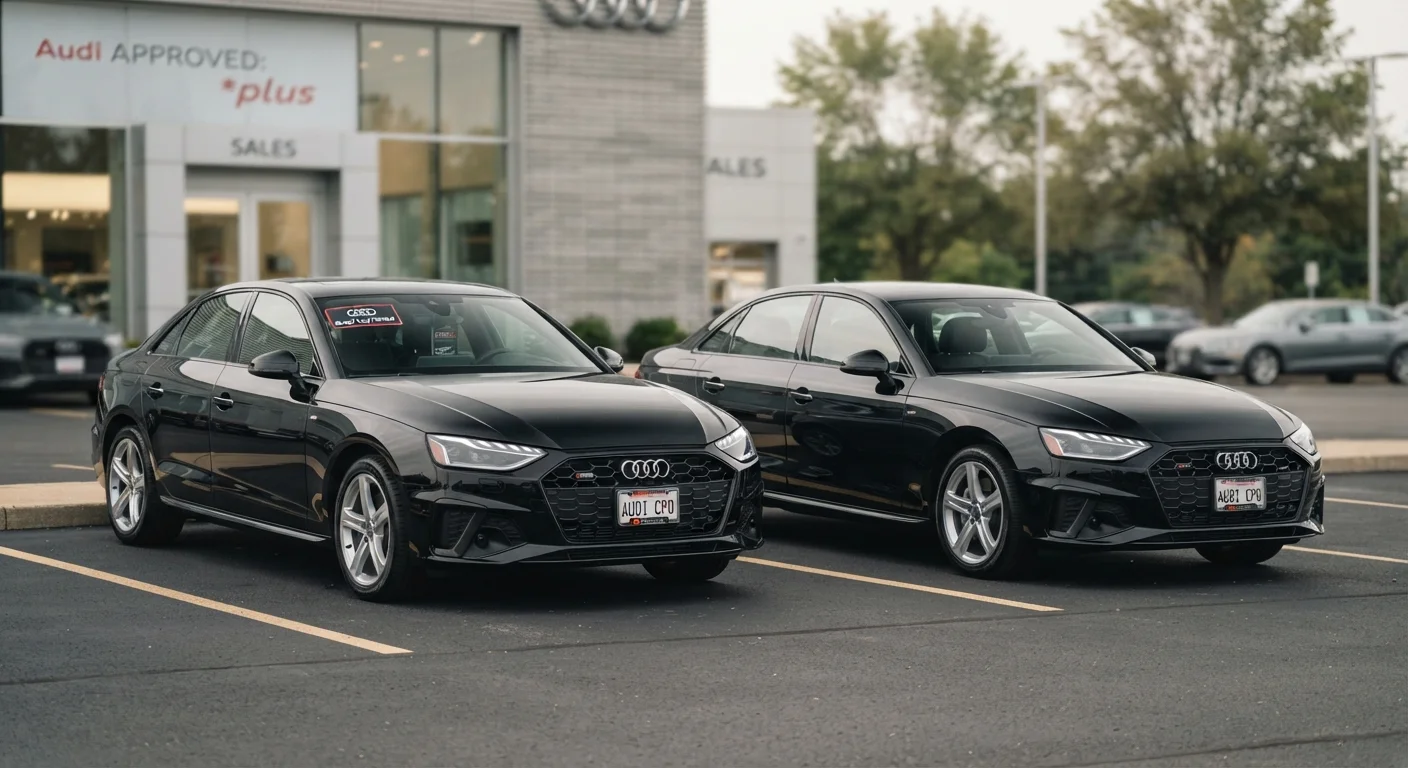
Importantly, CPO status is only available through franchised dealerships authorized by the manufacturer. A used-car superstore or independent lot may use the word "certified," but that reflects an in-house process - not a manufacturer-backed program. Those two things are meaningfully different, and it's worth asking specifically who is backing the certification.
For a broader look at how vehicle purchases unfold from test drive to title transfer, see what actually happens when you buy a car.
| Criterion | Certified Pre-Owned (CPO) | Standard Used |
|---|---|---|
| Inspection requirement | Multi-point inspection required | No standard requirement |
| Warranty included | Yes - manufacturer-backed | No (unless factory coverage remains) |
| Mileage/age eligibility | Capped by manufacturer rules | No restrictions |
| Where available | Franchised dealerships only | Dealerships, independents, private sellers |
| Typical price | Higher - premium for certification | Lower upfront cost |
| Roadside assistance | Often included | Not included by default |
| Program standardization | Varies by manufacturer | N/A |
The Real Cost Difference - and What You're Paying For
CPO vehicles generally carry a price premium over comparable standard used vehicles. Estimates vary by vehicle type and market conditions, but buyers often pay anywhere from a few hundred to several thousand dollars more for CPO status. That premium funds the inspection process, any repairs made to meet certification standards, and the extended warranty coverage included with the vehicle.
80,000
Typical CPO mileage ceiling
Most manufacturer CPO programs cap eligible vehicles at or below 80,000 miles, though specific limits vary by brand.
100-200
Inspection checkpoints in most CPO programs
Manufacturers commonly require vehicles to pass a multi-point inspection ranging from 100 to 200 items before CPO certification is granted.
Whether that premium is worth it depends on the specific program's warranty coverage and what the alternative would cost you. If a comparable standard used vehicle would require you to purchase a third-party extended warranty to get similar protection, the math may favor CPO - or it may not, depending on the fine print. Extended warranties and service contracts carry their own exclusions and claim processes that deserve close scrutiny before you decide.
Standard used vehicles without CPO status don't include any warranty by default (beyond any remaining factory coverage that may still be active). Their lower price reflects that added risk - but that risk can be managed with the right research steps.
How to Evaluate a Standard Used Vehicle Without CPO Backing
Buying a standard used vehicle doesn't mean buying blind. A few concrete steps can reduce much of the uncertainty that CPO status is designed to address.
- Request a vehicle history report. Services that aggregate title records, accident reports, and odometer readings give you a documented picture of the car's past. Look for clean titles, consistent ownership history, and no major collision flags.
- Commission an independent pre-purchase inspection (PPI). A licensed mechanic - ideally one not affiliated with the seller - can inspect the vehicle on a lift, check for hidden rust, assess fluid conditions, and flag any mechanical concerns. What a pre-purchase inspection covers is worth reading before you book one.
- Know where it's being sold. Dealerships and private sellers offer very different consumer protections. Private-party versus dealership purchases breaks down those differences clearly.
None of these steps fully replicates what a CPO program provides, but together they can get you much closer to an informed decision - often at a meaningfully lower total cost.
"Certified" Isn't Always Manufacturer-Backed
Independent dealerships and used-car lots sometimes market vehicles as "certified" based on their own internal processes. These in-house certifications are not the same as a manufacturer's CPO program and typically don't carry the same warranty protections or inspection standards. Always ask who is backing the certification - the manufacturer or the seller - before placing weight on that label.