How Each Buying Channel Works
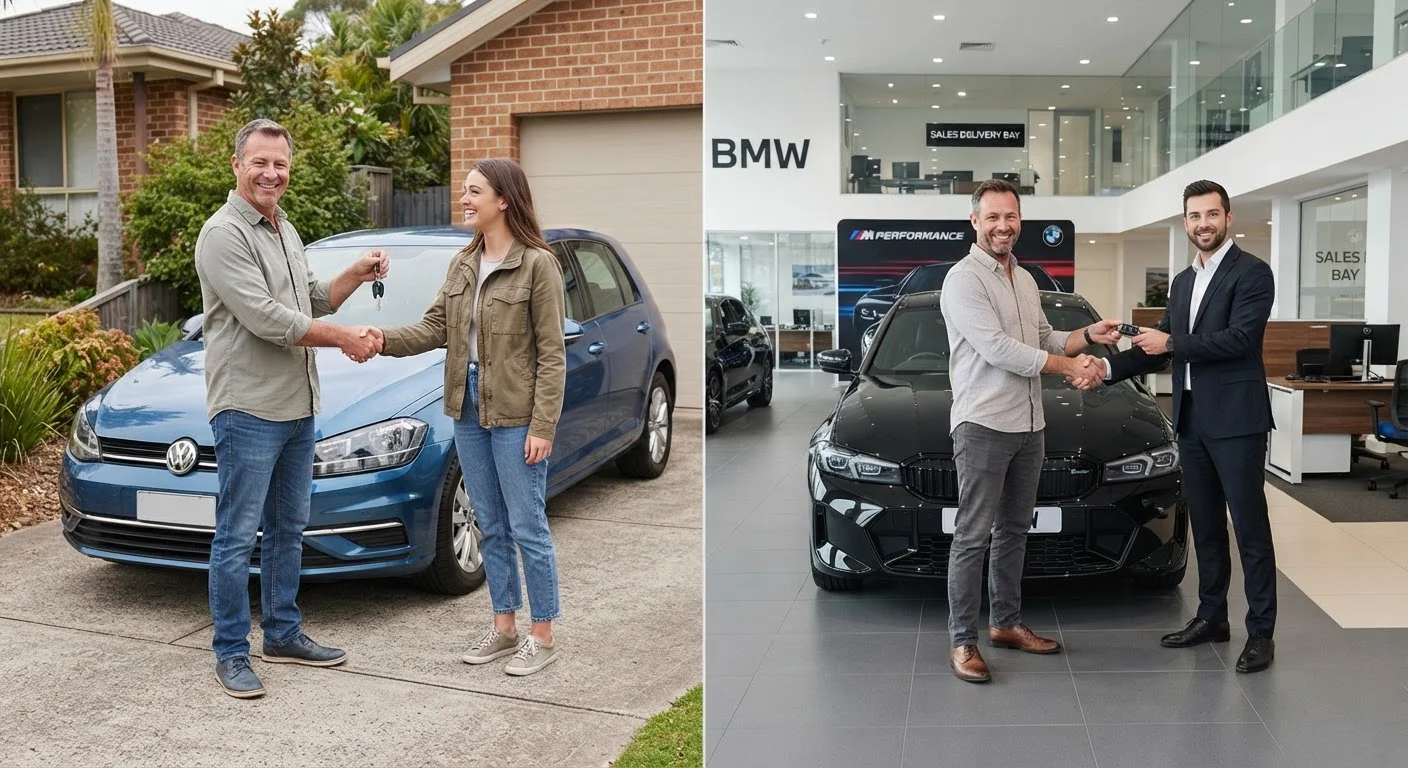
When you buy a vehicle from a private seller, you're transacting directly with the current owner - typically someone listing on a classifieds platform or through word of mouth. There's no intermediary, no showroom, and no sales staff. The negotiation, paperwork, and payment logistics are handled between two private individuals.
A dealership purchase involves a licensed business acting as the seller. That business is regulated by state and federal laws, carries inventory (new or used), and typically offers services bundled into the transaction: financing, trade-in valuation, documentation support, and in many cases, some form of limited warranty or return window. For a broader look at how the full car-buying process unfolds, see what actually happens when you buy a car.
| Criteria | Private Party Sale | Dealership Purchase | |
|---|---|---|---|
| Typical Price Point | Often lower than dealer equivalent | Higher; covers operational overhead | |
| Consumer Protections | Minimal; generally sold as-is | FTC Buyers Guide; state regulations apply | |
| Financing Availability | Must arrange independently; some restrictions | On-site financing options available | |
| Warranty | Rarely included | Limited warranties or CPO options possible | |
| Title & Paperwork | Buyer manages DMV process | Dealer typically handles submission | |
| Vehicle Inspection | Buyer's responsibility to arrange | Basic reconditioning often done; CPO is more thorough |
Pricing Dynamics and Negotiation
Private sellers generally list vehicles closer to or below what market-pricing tools like Kelley Blue Book identify as private-party value. Because they aren't covering overhead costs - staff salaries, lot fees, reconditioning - there's often more room for a lower final price. However, prices can also be arbitrary, based on what the seller paid or what they feel the car is worth emotionally.
Dealerships price vehicles to cover operational costs and profit margin, which typically places their asking prices above private-party equivalents. That said, dealers have more flexibility on the overall transaction - they can discount add-ons, improve trade-in offers, or adjust financing terms rather than drop the vehicle price directly. Understanding how these dynamics actually play out can help debunk car buying myths that cost shoppers real money.
Get the Market Value Before You Negotiate
Before approaching either a private seller or a dealership, look up the vehicle's market value using publicly available tools such as Kelley Blue Book or Edmunds. Knowing the private-party value, trade-in value, and dealer retail range for the same vehicle gives you a realistic baseline. This single step prevents overpaying in either channel and removes much of the guesswork from negotiation.
Consumer Protections and Risk
This is where the two channels diverge most sharply. Licensed dealers are governed by the Federal Trade Commission's Used Car Rule, which requires a Buyers Guide disclosing warranty terms on used vehicles. Many states layer additional protections on top of that - implied warranties of merchantability, mandatory disclosures, and sometimes short return windows. Dealers can also be held accountable through state licensing boards.
Private sellers operate under a general "as-is" framework in most states. Once money changes hands, the buyer typically assumes full responsibility for any mechanical issues discovered afterward. There's no licensing board to file a complaint with, and legal recourse is limited and costly. Buyers should always obtain a vehicle history report and, when possible, have an independent mechanic inspect the car before purchasing privately.
Never Skip a Pre-Purchase Inspection on a Private Sale
Paying a qualified mechanic $100-$200 for an independent inspection before buying privately is one of the most cost-effective steps a buyer can take. Sellers are not required to disclose every known issue in most states, and verbal assurances carry no legal weight. A clean vehicle history report is useful but does not reveal current mechanical condition - only a hands-on inspection can do that.
Financing, Paperwork, and Title Transfer
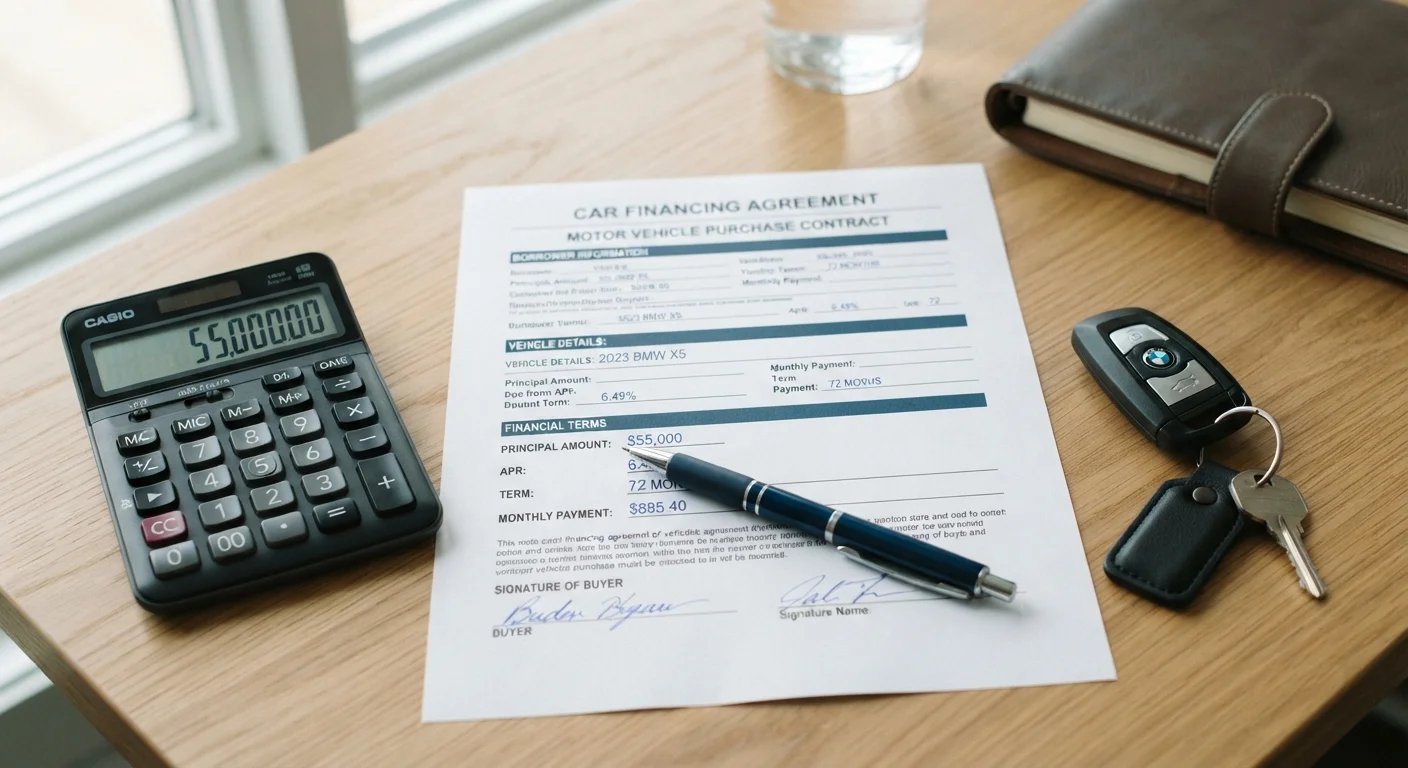
Dealerships can arrange financing directly through their own lending relationships or manufacturer captive lenders, which makes the transaction logistically simpler - though not necessarily cheaper. Understanding the structural differences between those options matters; see dealer financing vs. outside financing for a clear breakdown. Dealers also handle the title transfer, registration paperwork, and in most states, submit documents to the DMV on your behalf.
Private party transactions require the buyer to manage title transfer independently. That means visiting the DMV, paying applicable transfer fees and sales tax out of pocket, and verifying the title is clean (no liens, no salvage branding). Financing a private sale is possible through a bank or credit union, but many lenders won't finance vehicles older than a certain year or above a certain mileage threshold. Come prepared - a preparation checklist is equally useful whether you're heading to a lot or meeting a private seller.
~50%
Used vehicle sales through private channels
Industry estimates suggest roughly half of all used vehicle transactions in the US occur outside of licensed dealerships, though figures vary by source and year.
$1,000-$3,000
Typical private vs. dealer price gap
Market pricing tools generally show private-party vehicle values running meaningfully below dealer retail equivalents for comparable vehicles, though the actual gap varies by make, model, and condition.