The Depreciation Factor: Where New Cars Take the Biggest Hit
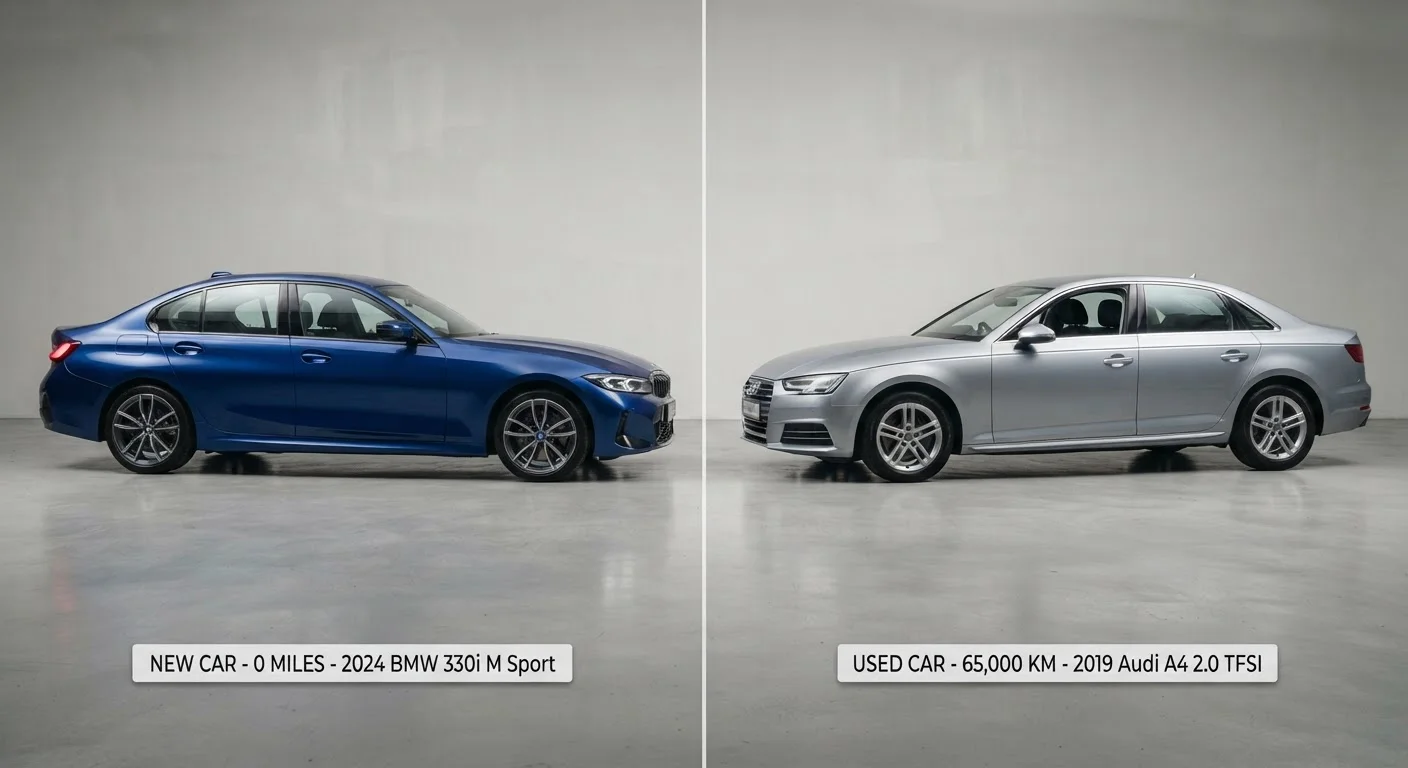
Depreciation is the most consequential financial difference between new and used vehicles. A new car typically loses a substantial portion of its market value within the first year of ownership - industry data consistently points to a range of 15% to 25% for that initial drop, with cumulative losses of roughly 50% or more over five years, though this varies considerably by make, model, and market conditions.
When you buy used, you let the previous owner absorb that steepest part of the depreciation curve. A two- or three-year-old vehicle has already experienced its largest value loss, which means the dollar-per-mile cost of ownership on the portion you're financing is generally lower. For buyers focused on overall cost efficiency, this dynamic is hard to ignore.
That said, depreciation works in reverse when it's time to sell. A used car that has already depreciated heavily has less room to fall further - which can translate to more predictable resale value during your ownership window. For a deeper look at how these cost dynamics play out over time, the full ownership cost comparison between older and newer vehicles is worth reviewing.
| Criterion | New Car | Used Car |
|---|---|---|
| Purchase Price | Higher; full MSRP | Lower; reflects prior depreciation |
| Depreciation Risk | High in first 1-3 years | Lower; steepest drop already absorbed |
| Financing Interest Rate | Typically lower | Typically higher |
| Manufacturer Warranty | Full coverage from day one | None, or remaining/transferred only |
| Vehicle History | None - completely unknown | Verifiable via report and inspection |
| Safety Technology | Latest systems standard or available | Varies by model year and trim |
| Customization Options | Full factory order possible | Limited to available inventory |
| Insurance Cost | Generally higher | Generally lower |
Financing, Warranties, and the Hidden Costs Buyers Often Miss
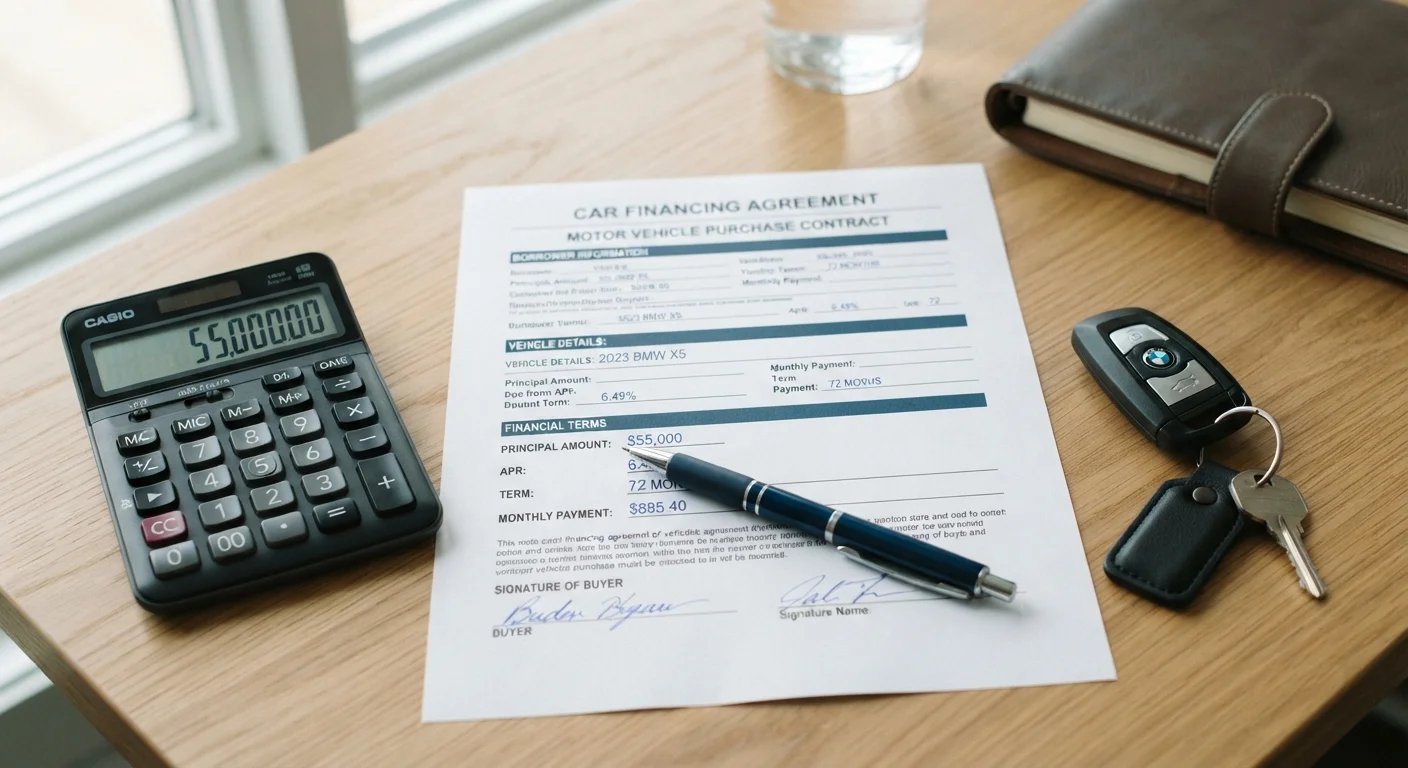
New car buyers typically qualify for lower interest rates on auto loans than used car buyers. Lenders view new vehicles as less risky collateral, and manufacturers frequently offer promotional financing rates - sometimes significantly below market - through their captive finance arms. These rates can meaningfully reduce the total interest paid over a loan term, partially offsetting the higher purchase price.
Used car loans, by contrast, tend to carry higher interest rates, and loan terms for high-mileage or older vehicles may be shorter, pushing monthly payments up. This is a nuance that often gets missed when buyers compare sticker prices alone.
On the warranty side, new cars ship with comprehensive bumper-to-bumper and powertrain coverage from the manufacturer - typically three to five years for bumper-to-bumper and five to ten years for powertrain, depending on the brand. Used vehicles sold privately carry no such protection unless remaining factory warranty transfers to the new owner. Third-party extended warranties exist but vary widely in coverage quality and claims reliability.
Certified Pre-Owned: A Middle Path Worth Knowing
Certified pre-owned (CPO) vehicles occupy a middle ground between new and standard used. They typically include a manufacturer-backed inspection process and extended limited warranty coverage. CPO programs differ significantly by brand - what's covered, for how long, and at what deductible varies. Our CPO vs. standard used breakdown explains what these programs typically include and when the premium is likely justified.
Common assumptions about financing, dealer negotiations, and trade-in values can also affect the real cost of either purchase. The car buying myths guide addresses several of the most costly misconceptions buyers bring into the process.
Reliability, Safety Tech, and Making the Right Call for Your Situation
Modern used vehicles - particularly those under five years old with reasonable mileage - can be highly reliable. Improvements in manufacturing quality over the past two decades mean many vehicles remain dependable well beyond 100,000 miles with proper maintenance. However, the reliability of any specific used car depends on its individual service history, prior ownership conditions, and whether a pre-purchase inspection has been completed by an independent mechanic.
New cars eliminate this uncertainty. You know the full history because there isn't one yet. You also get the most current iteration of safety systems. Features like automatic emergency braking, lane-keeping assist, and blind-spot monitoring have improved substantially in recent model years, and in some cases older used vehicles simply won't have them available at any trim level.
~20%
Average new car value lost in year one
Industry estimates consistently show new vehicles lose roughly 15%-25% of their value within the first 12 months, though this varies by make, model, and market demand.
~1.5-2%
Typical APR gap between new and used auto loans
Experian's State of the Automotive Finance Market reports have historically shown used vehicle loan rates averaging 1.5 to 2 or more percentage points above new vehicle rates.
The right choice ultimately depends on your financial situation, how long you plan to keep the vehicle, and how much variability you're comfortable accepting. If negotiation sequencing and trade-in timing are part of your decision, understanding how deal structure affects your outcome can prevent leaving money on the table regardless of which route you take. For a broader view of what vehicle ownership actually costs month to month, the auto ownership costs hub provides additional context.