The Depreciation Divide
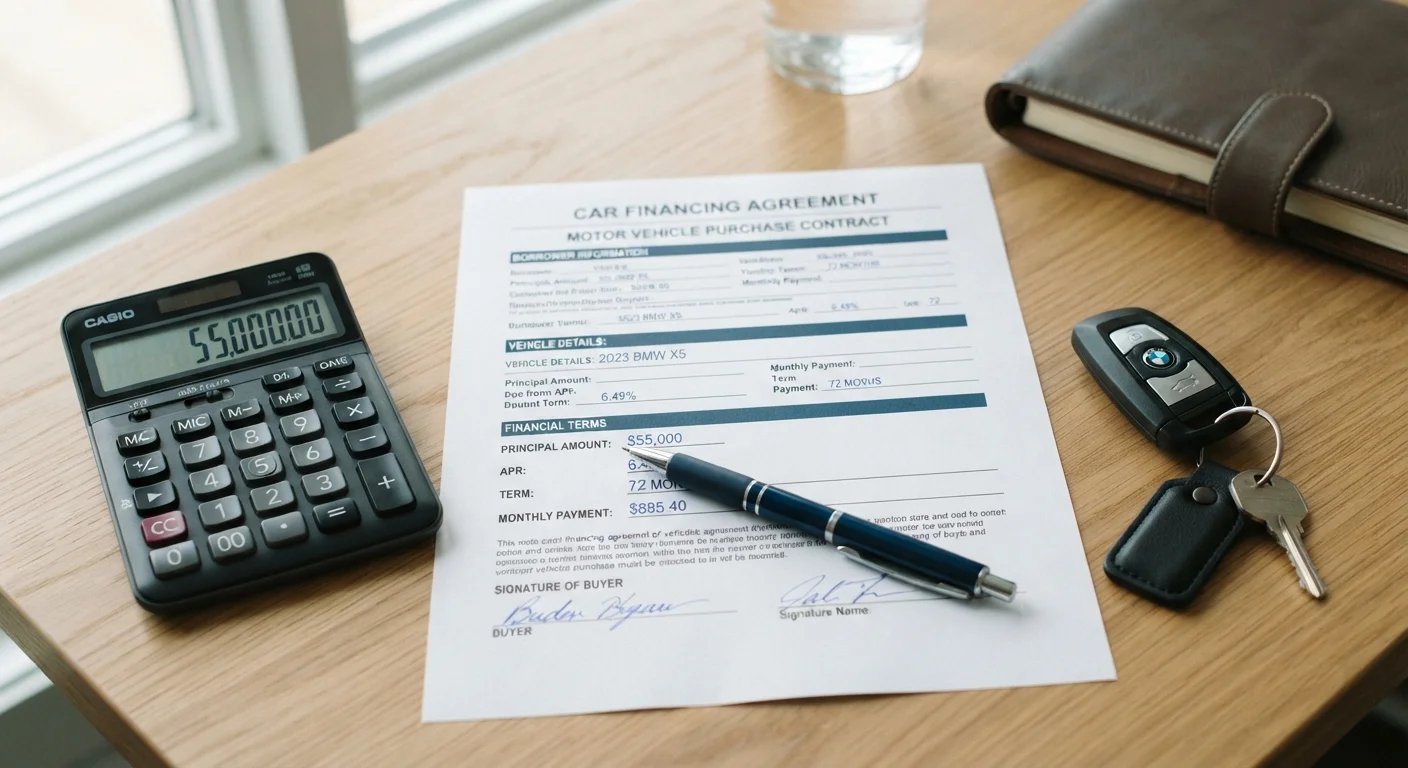
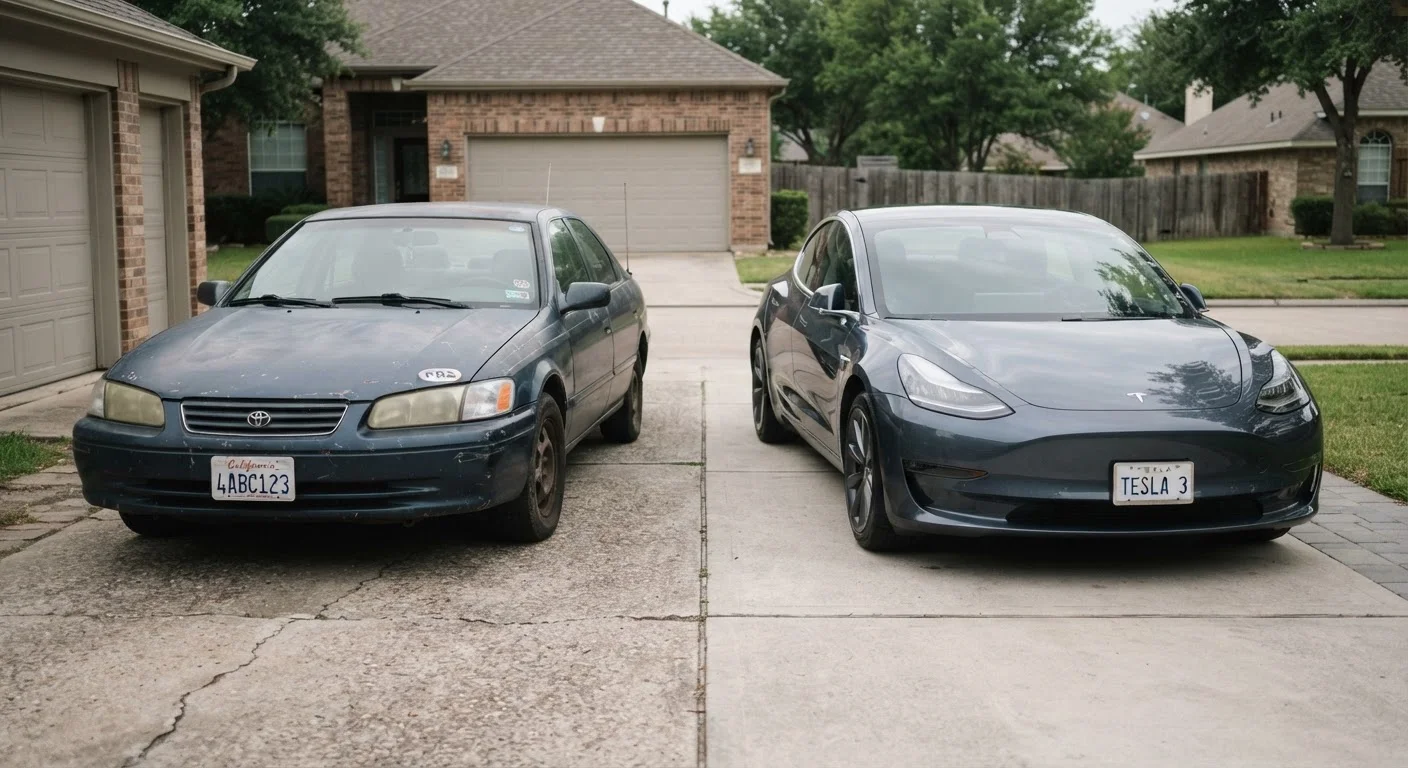
Depreciation is the single largest ownership cost for most drivers, and it hits hardest in the first few years of a new vehicle's life. A new car can lose a significant portion of its value within the first one to three years - meaning buyers absorb that loss when they sell or trade in. Older vehicles have already absorbed most of this value drop, so their owners face a much shallower depreciation curve going forward.
This dynamic is central to the new vs. used tradeoff - the used buyer essentially lets the first owner absorb steep early depreciation. However, an older car's lower market value also means less equity if you finance a purchase, and lenders may offer less favorable terms on high-mileage or older vehicles.
Insurance, Fuel, and Running Costs
Insurance premiums generally reflect a vehicle's replacement value, repair cost, and safety profile. Newer vehicles typically cost more to insure on a comprehensive basis because replacement parts are pricier and the vehicle itself is worth more. That said, older vehicles may lack modern safety features - such as automatic emergency braking or lane-keeping assist - that some insurers factor into rates. For a more detailed look at what drives your premium, see why car insurance costs vary so much.
Fuel economy is another running cost that often favors newer models. Engine technology, transmission efficiency, and aerodynamics have all improved considerably over the past decade. If you drive heavily, the fuel savings from a more efficient newer vehicle can meaningfully offset some of its higher ownership costs - particularly relevant when comparing options like gas versus electric vehicles.
~47%
Average new-car value lost in first 3 years
Industry data from vehicle valuation sources consistently shows new cars can lose roughly 40-50% of their original value within three years of purchase.
$1,200+
Estimated annual maintenance cost for older vehicles
According to AAA's annual 'Your Driving Costs' study, maintenance and repair costs increase steadily as vehicles age past five years.
25%
Typical fuel economy improvement over 10 years
EPA fleet data shows average fuel economy for new vehicles has improved notably over the past decade, benefiting buyers of more recent models.
Maintenance and Repair Reality
Older vehicles tend to require more frequent maintenance and are statistically more likely to experience unplanned repairs. Rubber seals, sensors, belts, and other wear components have a finite lifespan, and the probability of a costly failure increases with age and mileage. However, parts for common older vehicles are often widely available and affordable, and many independent mechanics charge less to work on them than on newer, tech-heavy models with proprietary systems.
Newer vehicles typically come with manufacturer warranty coverage that can absorb repair costs for a defined period. Once that warranty expires, repair bills can be substantial - especially for vehicles with complex electronic systems or turbocharged engines that are more expensive to service. Understanding the full picture of ownership expenses is covered in depth in our guide to the true cost of owning a car.
Making the Right Call for Your Situation
Neither older nor newer vehicles are universally cheaper to own. The right financial decision depends on the specific vehicle's condition and history, your driving patterns, local repair costs, and how long you intend to keep the car. A high-mileage vehicle with deferred maintenance can quickly become more expensive than a newer model with warranty coverage, while a well-maintained older car with straightforward mechanical systems may deliver years of low-cost service.
Before committing, consider a pre-purchase inspection from a licensed mechanic for any used vehicle - this can surface hidden repair needs that significantly change the ownership cost math. It's also worth checking common myths about car ownership costs to avoid assumptions that can skew your decision. Driving patterns also matter: city versus highway driving affects brake wear, fuel use, and long-term reliability differently depending on vehicle age and type.
A Pre-Purchase Inspection Is Worth the Cost
For any used or older vehicle, a pre-purchase inspection by an independent, licensed mechanic is one of the most cost-effective steps you can take. Inspections typically run $100-$200 and can identify issues that would cost thousands to repair. This applies whether you're buying from a private seller or a dealership. Never skip this step based on a vehicle looking clean or having a full service history on paper.