Why Biology Makes Life-Stage Care Necessary
Personal care is not one-size-fits-all - and that is not a marketing claim. It is biology. The skin is the body's largest organ, and alongside hair follicles, it operates under hormonal, environmental, and metabolic influences that shift substantially over a lifetime. A routine that served a 17-year-old well may actively work against the same person at 55.
Understanding why these changes happen makes it easier to adapt thoughtfully rather than reactively. This guide maps those biological shifts decade by decade, so you can approach your routine with informed confidence rather than guesswork. For a broader view of how self-care priorities evolve, see our wellness routines across the decades.
~1%
Annual collagen loss rate from early adulthood
Research indicates skin collagen content declines at roughly 1% per year starting in a person's mid-20s, with accelerated loss around menopause.
50%
Sebum reduction by age 70 vs. young adulthood
Dermatological studies suggest sebum production can fall by approximately half between young adulthood and older adulthood, driving increased skin dryness.
50-100
Normal daily hair strands shed
According to the American Academy of Dermatology, shedding 50 to 100 hairs per day is within the typical range for adults across most life stages.
Adolescence: Managing Surge and Sensitivity
Puberty triggers a significant rise in androgen hormones, which stimulate sebaceous glands to produce considerably more sebum - the skin's natural oil. This is why acne, enlarged pores, and oily scalps are common experiences during adolescence, not personal failures.
For skin, a straightforward approach works well: a gentle, pH-balanced cleanser used twice daily removes excess sebum without stripping the skin's protective barrier. Over-cleansing or using harsh astringents can paradoxically worsen oiliness by triggering compensatory sebum production. A lightweight, non-comedogenic moisturizer is still appropriate - even oily skin needs hydration.
For hair, increased scalp oil production often means more frequent washing is appropriate during these years. Choosing a clarifying shampoo one to two times weekly can help manage buildup without over-drying the scalp. Adolescents also face heightened UV exposure if they spend time outdoors, making this a sound time to establish sun protection habits that carry forward.
Start Sun Protection Early - and Keep It Simple
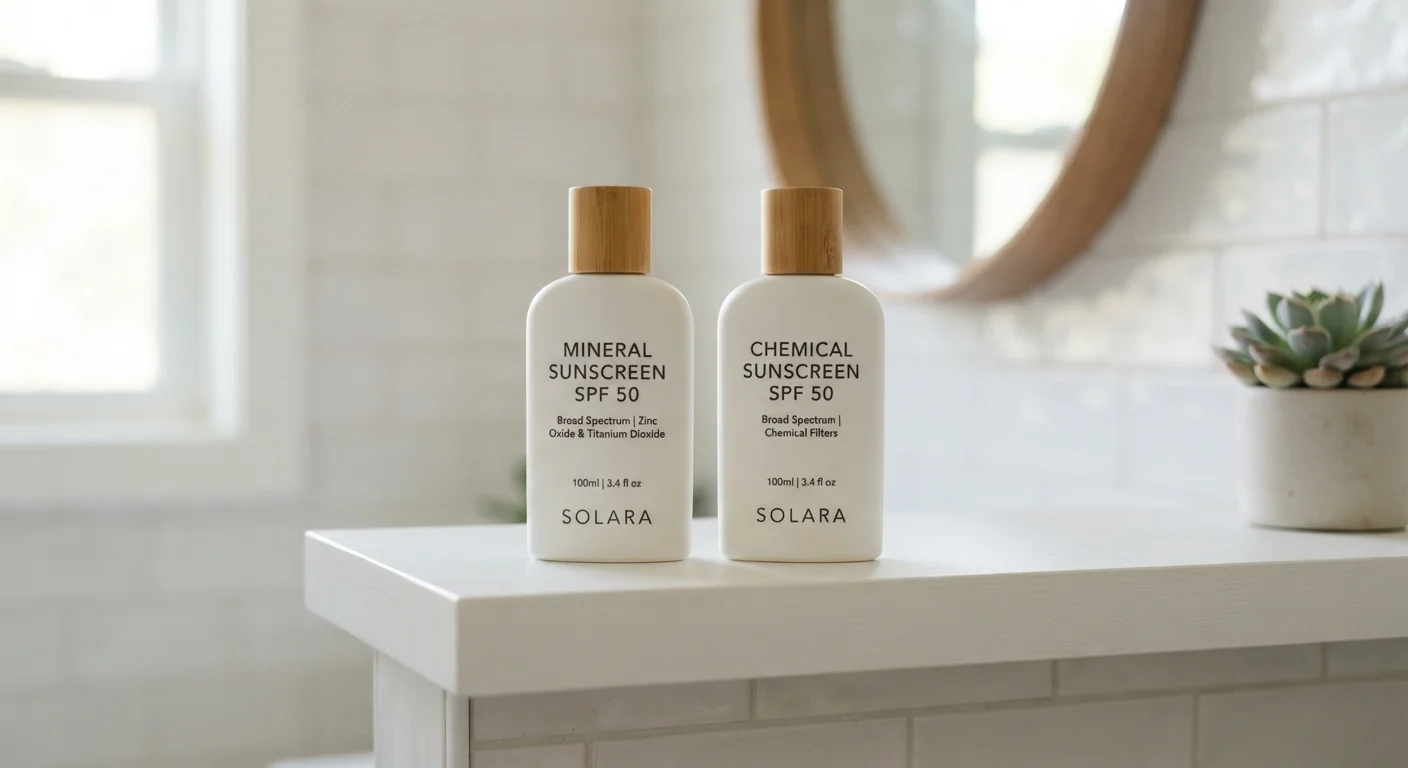
Adolescence is an excellent time to establish a daily sunscreen habit. Look for a lightweight, broad-spectrum SPF 30 or higher formula that sits comfortably under makeup or can be worn alone. Consistency matters far more than the specific product chosen.
Young Adulthood: Building Durable Habits
The 20s and early 30s tend to represent a relative period of skin stability for many people, though sebum production begins a gradual, long-term decline during this window. This is the phase where foundational habits have an outsized long-term impact.
Broad-spectrum sunscreen applied daily is supported by dermatological research as one of the most meaningful preventive steps for skin health over time. UV exposure contributes to collagen degradation, uneven pigmentation, and changes in skin texture - effects that accumulate slowly and become visible later.
Hair in young adulthood is generally at peak density and tensile strength. Thermal styling, chemical treatments, and physical stress (tight hairstyles) can cause cumulative damage to the hair shaft that worsens over time. For a deeper look at how scalp condition shapes long-term hair health, see why scalp health drives hair growth.
Apply sunscreen as the last step of your morning skin routine, not just on beach days. Habitual daily use in your 20s has a significantly greater long-term impact than intensive use that starts later.
UV-induced collagen degradation is cumulative and largely asymptomatic until visible damage appears years later - making early and consistent protection the most effective strategy.
When introducing a new active ingredient - such as a retinoid or exfoliating acid - start at the lowest available concentration and increase frequency gradually over several weeks.
Skin barrier disruption from overuse of actives is one of the most common causes of reactive, sensitized skin, and it is almost entirely preventable with a measured approach.
Midlife: Hormonal Shifts and Structural Changes
Perimenopause and menopause bring some of the most pronounced biological changes affecting skin and hair. Declining estrogen levels reduce skin's collagen content and water-retention capacity, resulting in increased dryness, decreased elasticity, and a thinner skin surface. Sebum production continues its long decline.
For skin, this phase calls for a shift toward richer, lipid-replenishing moisturizers and gentle cleansers that do not strip residual natural oils. Ingredients such as ceramides and glycerin support the skin's moisture barrier. Exfoliation remains beneficial but should be approached with less frequency and lower concentrations than in younger years, as skin cell turnover slows with age.
Hair changes are also significant. Many people notice increased hair shedding, changes in texture (coarser or finer in different areas), and shifts in scalp oiliness. These are primarily hormonally driven. If shedding is sudden, patchy, or distressing, a healthcare provider or dermatologist can assess for underlying causes rather than attributing all changes to age alone.
Not All Hair Shedding Is Age-Related
Significant or sudden hair shedding during midlife can have causes beyond hormonal change - including thyroid disorders, nutritional deficiencies, and medication effects. Do not assume all hair loss is cosmetic. A healthcare provider can order appropriate tests to identify or rule out underlying causes.
Older Adulthood: Gentle, Barrier-First Care
From the mid-60s onward, skin becomes progressively thinner, drier, and more vulnerable to irritation. Sebaceous and sweat gland activity declines further, reducing both natural lubrication and the skin's ability to regulate temperature and fight environmental stressors. Fragrance sensitivity and contact reactions become more common.
A barrier-first approach is the guiding principle here: use fragrance-free, gentle cleansers and apply emollient-rich moisturizers promptly after bathing while skin is still slightly damp to trap hydration. Body skin, often neglected in favor of facial care, deserves the same attention - particularly areas prone to dryness like shins, forearms, and hands.
Hair in older adulthood is typically finer, more porous, and more prone to breakage. Scalp skin may become drier as well. Washing frequency can often be reduced without hygiene concerns. Lightweight conditioners applied from mid-shaft to ends help maintain manageability without weighing hair down. For daily hygiene habits that adapt well across life stages, explore our personal hygiene routines that actually hold up.
Constants That Span Every Decade
Despite the considerable variation across life stages, several principles hold consistent value throughout adulthood.
- Gentle cleansing: Regardless of age, disrupting the skin barrier with harsh cleansers creates more problems than it solves.
- Sun protection: UV exposure contributes to cumulative skin changes at every age. Daily broad-spectrum protection is a broadly supported habit.
- Hydration: Skin needs adequate moisture at every stage - only the delivery format changes (lighter gels in younger oilier skin, richer creams later).
- Scalp attention: Scalp health underpins hair health at every stage of life.
- Seasonal adjustments: Temperature and humidity shifts affect both skin and hair throughout the year. Our seasonal skin and wellness adjustments covers this in detail.
Grooming routines can also serve wellbeing beyond the physical - intentional, unhurried self-care has been associated with stress reduction and a sense of grounding. Our piece on turning daily grooming into a mental reset explores this connection further.
This article is for general informational purposes only and does not constitute medical or dermatological advice. For persistent or concerning skin, hair, or scalp conditions, consult a qualified healthcare professional or board-certified dermatologist.