The Layers That Build a City's Identity
When travelers say a city has great "atmosphere," they're usually pointing at something they can't quite name - a combination of what buildings look like, how streets are laid out, how loud or quiet public spaces are, and how welcoming strangers feel. None of these qualities happen by accident. They're the accumulated result of centuries of decisions: where rulers built cathedrals, where bombs fell in wartime, where railway lines were laid, and which neighborhoods wealthy merchants chose to settle.
Understanding these layers before you book helps you choose a destination that matches what you're actually looking for - and sets you up to appreciate what you're experiencing when you arrive. If you're weighing how much time to spend on landmarks versus soaking up street life, our guide to cultural immersion versus sightseeing breaks down that trade-off in detail.
44
UNESCO-listed historic city centers in Europe
Europe holds more UNESCO World Heritage urban sites than any other continent, reflecting the density of historically intact city centers across the region.
~800 years
Age span between Europe's oldest and newest major city centers
European cities range from ancient Roman foundations to cities substantially rebuilt in the 20th century, producing a wide spectrum of urban environments within a compact geography.
38%
Share of Amsterdam commuters who primarily cycle
According to Amsterdam city data, cycling accounts for a substantial share of daily trips within the city, shaping its streets and pace in ways immediately visible to visitors.
How Historical Eras Shape the Physical City
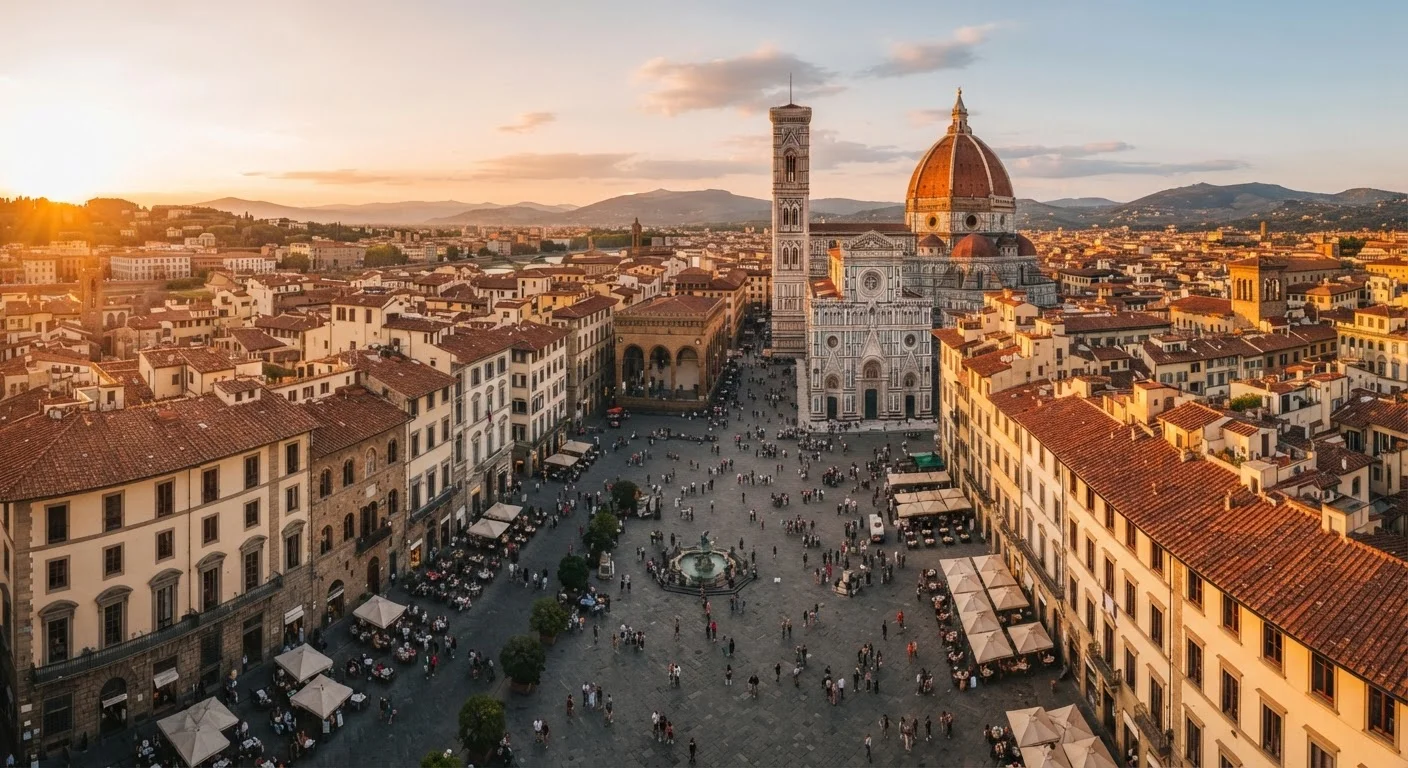
The most visible factor separating European cities is their built environment - and the key variable is which historical periods left the deepest marks. Cities that retained their medieval cores (think Tallinn, Siena, or Bruges) have narrow, winding streets designed for foot traffic, not vehicles. Buildings cluster tightly, heights are low, and the effect is intimate and sometimes labyrinthine.
Cities reshaped heavily in the 19th century - Paris being the most dramatic example - tend to have wide, regularized boulevards, uniform building heights, and a rational street grid overlaid on older foundations. Cities that suffered significant wartime destruction, like Rotterdam or Warsaw, were rebuilt in mid-20th-century styles that can look almost jarring next to intact historic neighbors. None of these histories is better or worse - they simply produce radically different textures underfoot.
Transit Culture and the Pace of Getting Around
How a city moves shapes how it feels just as powerfully as how it looks. Amsterdam is famously structured around cycling - not as a lifestyle choice, but as practical infrastructure built over decades. Trying to hail a cab or drive through its center is genuinely awkward; the city wasn't designed for it. By contrast, cities like Rome or Athens have transit systems that coexist uneasily with dense car traffic, giving those centers a louder, more chaotic energy.
Cities with excellent, frequent metro systems - Madrid, Berlin, Vienna - allow visitors to move between neighborhoods efficiently, making the city feel navigable and less intimidating. Cities where walking between attractions is genuinely pleasant - often because distances are short and streets are shaded or interesting - encourage a slower pace and more spontaneous discovery. This is one of the practical factors worth researching before you go, particularly if you're planning a short trip. Our piece on maximizing a short European city break covers how transit decisions affect what's actually possible in 3-5 days.
Research Transit Before You Pack Your Itinerary
Before finalizing how many neighborhoods or attractions you plan to visit, look up how locals actually get around the city you're visiting. A city with frequent, affordable metro service supports a very different itinerary than one where you'll be walking long distances or relying on taxis. Transit maps and journey-time estimates are available through most city transport authority websites and are worth checking before you build your day-by-day plan.
Geography, Social Rhythms, and the Invisible Differences
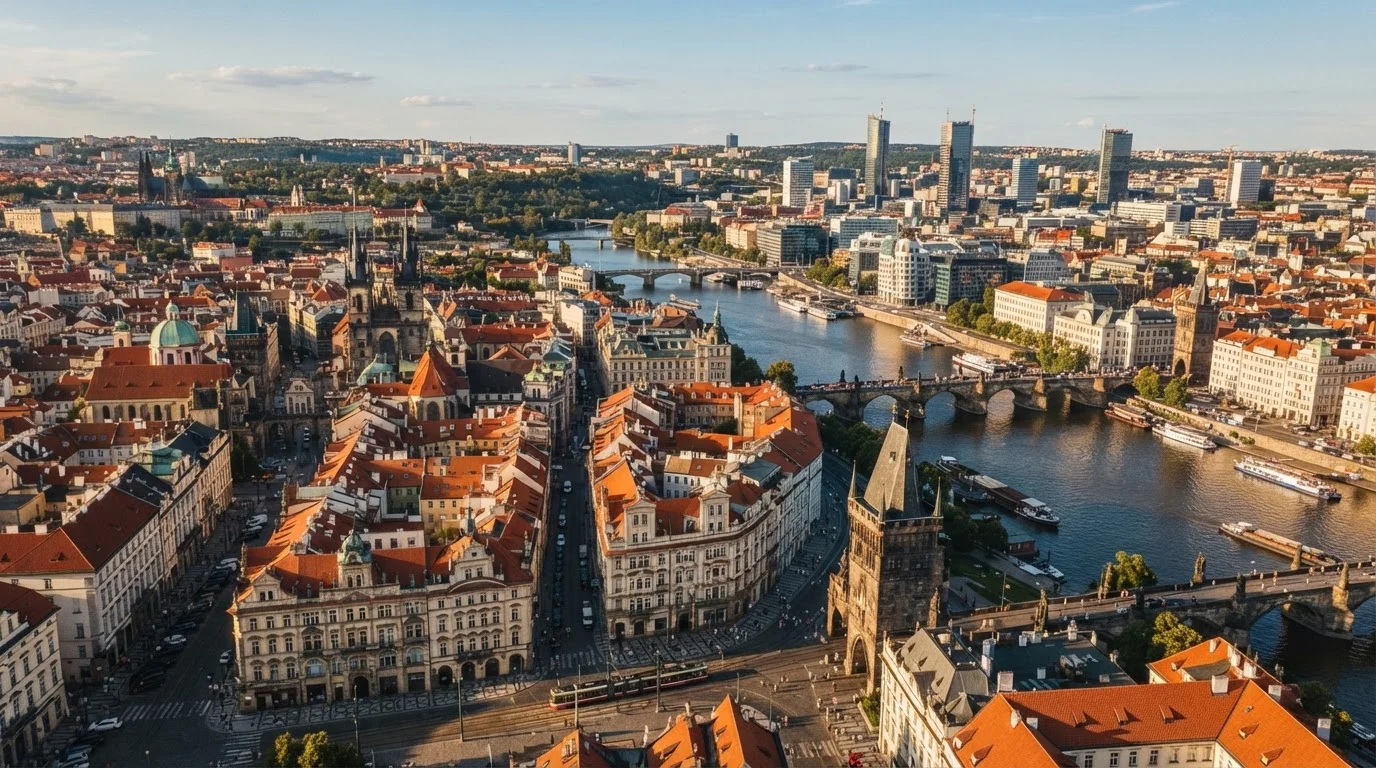
Geography constrains a city in ways that persist long after the original landscape has been built over. Lisbon's hills mean neighborhoods develop distinct identities partly because reaching them requires effort. Amsterdam's canal system made certain kinds of development logical and others impossible. Cities on rivers - Budapest, Prague, Vienna - often orient themselves around those waterways in ways that define their best views and their most valuable real estate.
Then there's the social layer, which visitors often feel but struggle to describe. When locals eat, how loud conversations get in cafés, whether strangers make eye contact on the street - these habits are shaped by culture and climate. Dinner at 10 p.m. is normal in Madrid; 6:30 p.m. is late in Copenhagen. Neither is right; they just produce a completely different experience of the same evening hours. For a deeper look at how these differences play out when you're actually on the ground, see our guide to living like a local versus doing the tourist circuit.
Cities also reward different kinds of attention. Some, like Paris beyond its famous monuments, reveal the most when you stop treating them as a checklist and start letting neighborhoods surprise you. That shift in approach is often what separates a forgettable trip from a genuinely memorable one.
Seasonal Conditions Change the Experience
A city's character can shift noticeably depending on when you visit. Outdoor café culture that defines summer in Barcelona or Rome largely retreats indoors in winter. Copenhagen in July feels lighter and more open than Copenhagen in December. Before traveling, check what seasonal factors - daylight hours, weather, local holidays, tourist volume - might shape your specific visit. Official tourism and transport websites are reliable starting points for current conditions.