
Why Most Airport Gift Shops Don't Cut It
There's a reason that miniature Eiffel Tower or generic 'I ♥ ' magnet ends up in a drawer within a week. Mass-produced souvenirs are designed to signal a destination, not represent it. They're manufactured at scale, often far from where they're sold, with no connection to local people, craft traditions, or landscape.
That disconnect is exactly what drains them of staying power. A souvenir earns its spot on your shelf - or in your memory - when it's tied to something real: a conversation with a maker, a market you stumbled into, a craft tradition with centuries of history behind it. This is why travelers who go beyond the standard tourist circuit tend to bring home objects with genuine stories attached.
$28B+
Annual US souvenir and gift market value
Industry estimates suggest the souvenir and novelty retail sector in the US represents tens of billions in annual consumer spending, much of it tied to tourism activity.
~70%
Travelers who report buying at least one souvenir per trip
Surveys by tourism researchers consistently find that the majority of leisure travelers purchase a keepsake item, though satisfaction with those purchases varies widely.
What Actually Makes a Keepsake Worth Keeping
Three qualities tend to define a souvenir worth the suitcase space: provenance, personal resonance, and ethical integrity.
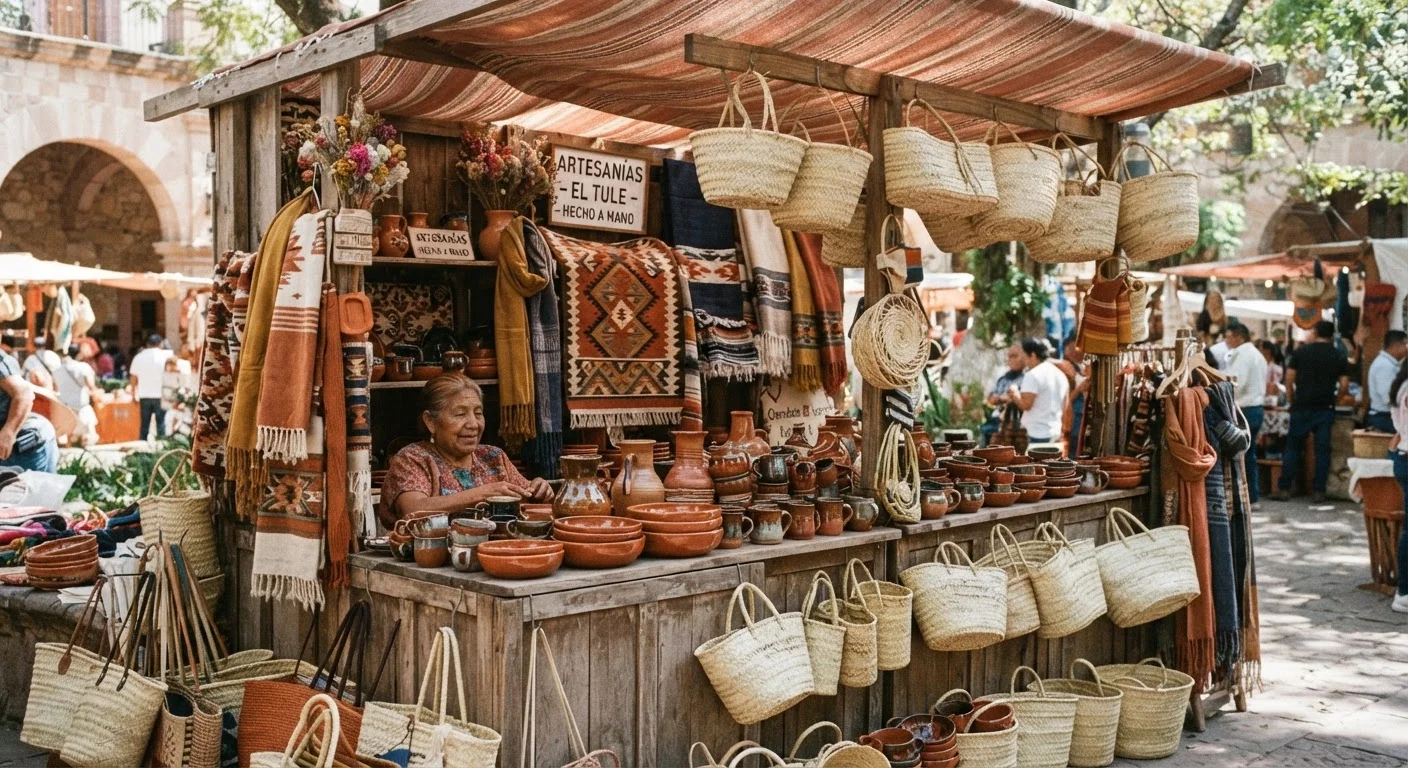
- Provenance means knowing where something came from - ideally, being able to point to the person or community who made it. A hand-thrown ceramic bowl from a potter's studio in Oaxaca carries weight in a way that a factory-stamped replica doesn't.
- Personal resonance is the memory it anchors. If an object transports you back to a specific moment - a meal, a hike, an unexpected conversation - it's doing its job. The trigger for that memory doesn't have to be expensive or elaborate.
- Ethical integrity means the item was acquired without harming people, animals, or cultural heritage. This matters more than many travelers initially realize - and it's something we'll dig into further below.
The Ethics of Bringing Things Home
Souvenir shopping can become ethically complicated quickly. Some items that appear charming or culturally rich are actually problematic to purchase or transport. Wildlife products - shells, feathers, ivory, coral - may be illegal to import under US law and international trade treaties like CITES. Antiques and religious artifacts may be subject to export restrictions in their country of origin. Travelers who care about responsible engagement with local environments and cultures should apply the same thoughtfulness to what they buy.
Check Before You Buy: US Customs Rules Apply
US Customs and Border Protection enforces strict rules on what travelers may bring back. Items made from protected species, certain agricultural products, and cultural antiquities may be seized at the border - regardless of where they were purchased. The CBP website and your destination country's official export regulations are the authoritative sources to consult before travel.
Beyond legality, consider economic ethics: who profits from the sale? Buying directly from artisans, women's cooperatives, or community-run markets keeps money closer to the source. Large tourist shops often work through intermediaries that reduce what makers actually earn.
If you're drawn to locally made food products - spices, preserves, specialty ingredients - food-focused travel thinking can help frame what's authentic versus what's packaged for tourist appeal.
Intangible Souvenirs: What You Can't Put in a Bag
Some of the most durable keepsakes from a trip can't be checked in or carried on. A recipe handwritten by a guesthouse host, a skill learned in a weaving workshop, a playlist built around sounds heard in local cafés - these are souvenirs of a different kind, and they often outlast any object.
Photographs, journals, and field sketches fall into this category too. The act of documenting what you observe - not just what you stand in front of - creates a record of genuine attention. Travelers who seek purposeful, engaged travel experiences frequently report that the non-physical takeaways shape them most.
Document the Story, Not Just the Object
When you buy a handmade item, ask the seller if you can photograph them with it, or jot down a few notes about its origin in a travel journal. Attaching that story to the object - even just a sticky note tucked inside - dramatically increases its meaning years later. The story is often the souvenir.
None of this means physical souvenirs are shallow - a well-chosen object can carry extraordinary meaning. The point is simply that the category of "souvenir" is broader than a shelf of trinkets, and expanding how you think about it makes the whole experience richer.