What Voluntourism Actually Is
Voluntourism - a blend of "volunteer" and "tourism" - describes travel experiences where participants contribute time and effort to community projects, conservation work, or social programs at their destination. It's one of a growing number of alternative travel formats that go beyond standard sightseeing.
Programs range from building schools in rural communities and supporting wildlife conservation to teaching English or assisting at health clinics. The appeal is obvious: travelers get a richer, more purposeful experience, and communities receive support. But the reality is considerably more nuanced than that framing suggests, and anyone considering a voluntourism trip deserves an honest picture of both sides.
Voluntourism Is Not One Thing
The term covers an enormous spectrum - from rigorous, multi-month professional placements coordinated by established NGOs to weekend "voluntourism lite" packages sold as travel add-ons. The ethical weight of these experiences differs dramatically. When evaluating any program, look past the marketing language and examine the organizational structure, community relationships, and measurable outcomes. A program's intentions and its actual impact are not always the same thing.
The Genuine Benefits Worth Recognizing
When a voluntourism program is thoughtfully designed and community-driven, the benefits can be real - for travelers and host communities alike.
Deeper cultural connection than typical tourism
Working alongside community members creates relationships and context that sightseeing rarely provides. This kind of immersion often results in a more honest understanding of a place and its people.
Tangible contribution when skills are matched
Professionals contributing relevant expertise - doctors at pop-up clinics, engineers on infrastructure projects - can deliver genuinely lasting value that complements local capacity.
Supports conservation and environmental work
Wildlife monitoring, reforestation, and marine research programs often rely on volunteer labor to expand their reach, bringing both hands and funding to under-resourced projects.
Personal growth through meaningful challenge
Navigating unfamiliar environments, language barriers, and complex social issues builds adaptability and empathy that standard vacations rarely prompt.
Raises global awareness about local issues
Volunteers who return home often become advocates, donors, or informed voices on the issues they engaged with - extending a program's impact beyond the trip itself.
Programs built around transferable professional skills - medical outreach, engineering, software training - tend to deliver more durable value than unskilled labor. Similarly, conservation projects led by local scientists often benefit from the additional hands, funding, and global awareness that international volunteers bring. For travelers, the depth of engagement stands in sharp contrast to what cultural immersion versus pure sightseeing typically offers.
The Pitfalls That Deserve Equal Attention
Critics of voluntourism - including development researchers and community advocates - have raised serious, evidence-backed concerns that travelers should understand before booking.
Unskilled volunteers can displace local workers
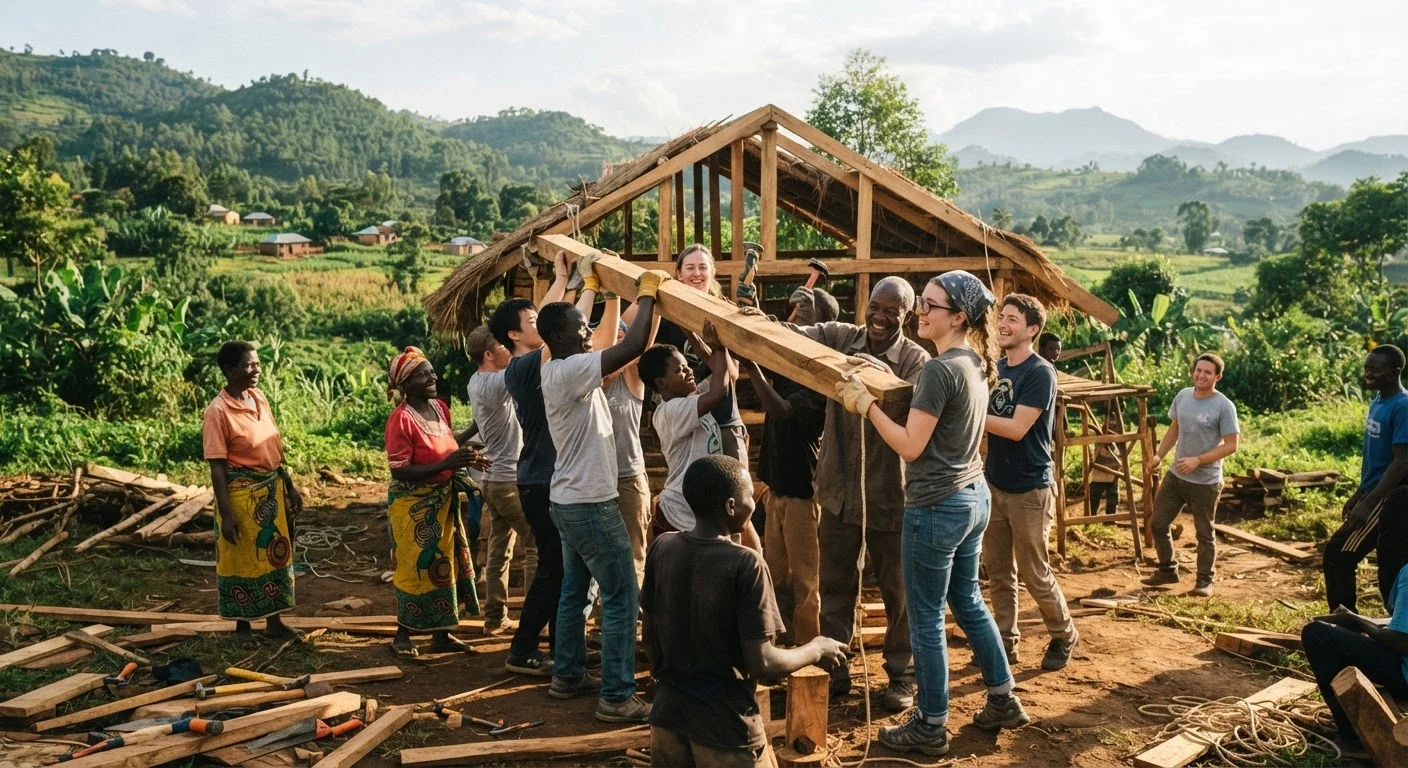
When travelers perform tasks that local professionals could do better and faster, they reduce employment opportunities in the host community. This is particularly common in construction and education programs.
Short trips rarely produce sustainable outcomes
Projects requiring continuity - school curriculum development, health outreach - are poorly served by a rotating cast of short-term volunteers with no handoff plan or institutional memory.
Some programs prioritize volunteer experience over community need
Commercially driven voluntourism operators sometimes design programs around what sells to Western travelers rather than what host communities actually need or requested.
Risk of unintended dependency or harm
Repeated cycles of external volunteer support can undermine a community's self-sufficiency or signal to local institutions that outside charity will fill gaps, reducing pressure for systemic solutions.
Ethical red flags in child-focused programs
Orphanage voluntourism in particular has been linked to exploitation, with some organizations placing children in facilities specifically to attract foreign volunteers and donations. Several international child welfare bodies have raised formal concerns.
High costs don't always reach the community
Many programs charge travelers significant fees, but a large portion can go to the organizing company's overhead rather than directly funding local projects or salaries.
Perhaps the most cited problem is the "unskilled volunteer" dynamic: when travelers without relevant expertise take on tasks like construction or childcare, they can produce lower-quality results than local professionals would, while simultaneously taking paid work away from community members. This is sometimes called "voluntourist displacement." Some research has also linked orphanage-style volunteer programs to exploitation of children, a concern that has prompted several governments and NGOs to issue formal warnings. None of this means voluntourism is inherently harmful - but it does mean that scrutiny is non-negotiable. Travelers who want genuine depth of experience might also consider rethinking how they engage with destinations more broadly.
$173B
Estimated global voluntourism market value
Industry analysts have estimated the voluntourism sector at over $170 billion annually, reflecting the enormous commercial scale behind what is often framed as charitable travel.
1-2 weeks
Typical volunteer trip duration
Most voluntourism programs run one to two weeks - a timeframe that development researchers frequently note is too short to produce meaningful, measurable community outcomes.
How to Evaluate a Program Before You Commit
The difference between a voluntourism program that helps and one that harms often comes down to organizational structure and community input. Use these questions as your filter:
- Who identified the need? Programs designed around what communities actually asked for outperform those built around what volunteers want to do.
- Is there local leadership? The program director and decision-makers should include people from the host community, not just the sending organization.
- Are skills matched to tasks? If you're not a licensed electrician, you probably shouldn't be wiring a building abroad.
- What's the accountability structure? Reputable organizations publish impact reports and are transparent about how funds are spent.
- How long is the commitment? Programs expecting only one to two weeks from each volunteer - with no continuity plan - often produce minimal lasting impact.
Good trip planning practices apply here just as much as they do to any other travel format. Do the homework before you arrive.
Approaching the Experience With the Right Mindset
Even within a well-run program, the mindset you bring shapes everything. Voluntourism done well requires cultural humility - the recognition that you are a guest, not a rescuer. Communities are not defined by their challenges, and travelers who arrive expecting to "save" something tend to miss the far richer experience of genuine mutual exchange.
This connects to a broader truth about traveling like a local versus doing the tourist circuit: the most rewarding experiences usually require slowing down and listening. Bring curiosity. Ask questions. Respect local expertise. And when you leave, consider how you'll continue supporting the community - whether through advocacy, ongoing donations to the organization, or simply sharing an accurate, nuanced account of what you witnessed.
This article is for general informational purposes only. Travelers should verify visa requirements, safety conditions, and organizational credentials through official government sources and independent research before committing to any voluntourism program.