What the Skin Barrier Actually Does
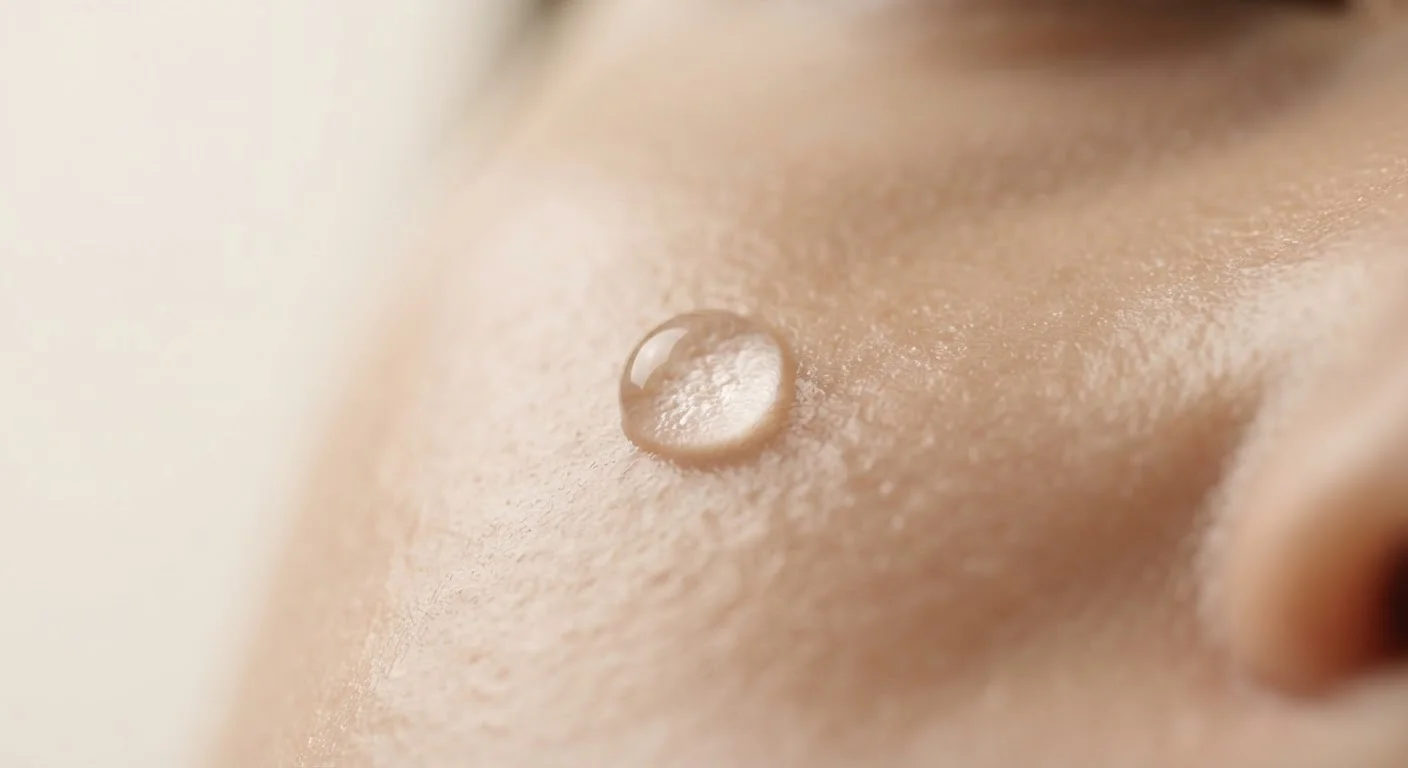
Think of your skin barrier as your body's first line of defense against the outside world. Its two primary jobs are straightforward but critical: keep moisture in and keep harmful substances out. Without a functioning barrier, the skin loses water rapidly - a process known as transepidermal water loss (TEWL) - and becomes vulnerable to irritants, microbes, and environmental stressors.
The structure responsible for this is the stratum corneum, a thin but remarkably complex layer made up of dead skin cells surrounded by a mortar of lipids, including ceramides, cholesterol, and fatty acids. These lipids aren't just filler - they form the waterproofing system that determines how well your skin retains hydration and resists external triggers.
Understanding this foundation matters because it shifts how you think about body care. Rather than chasing a feeling of squeaky-clean skin, the goal becomes supporting the barrier's natural integrity. That distinction shapes every product choice and habit in your routine.
The Barrier Extends to Your Whole Body
Most conversations about the skin barrier focus on facial skin, but the body's surface is covered by the same fundamental structure. The backs of the arms, shins, and torso are common sites for barrier disruption - especially during dry seasons. Applying the same gentle-care principles to your body routine is just as important as your face routine.
Common Habits That Weaken the Barrier
Many everyday habits - often done with good intentions - can quietly erode the skin barrier over time. Recognizing them is the first step toward making more protective choices.
- Hot showers: High water temperatures strip the lipid layer from the skin's surface, leaving it more vulnerable to moisture loss. Lukewarm water is generally gentler.
- Harsh or fragranced soaps: Cleansers with high pH levels or synthetic fragrances can disrupt the skin's naturally slightly acidic environment (its "acid mantle"), weakening its defenses.
- Over-exfoliating: Physical scrubs and chemical exfoliants both remove dead skin cells, which is useful in moderation - but done too frequently, they strip away the very cells and lipids the barrier depends on.
- Skipping moisturizer: After washing, the skin is temporarily more permeable. Leaving it unmoisturized prolongs that vulnerable window. See our guide on post-shower moisturizing timing for more detail.
- Environmental exposure: Cold, dry air and wind pull moisture from the skin's surface, especially in winter months or low-humidity climates.
A Simple Rule for Gentler Cleansing
If your skin feels tight or 'squeaky clean' immediately after washing, your cleanser may be stripping the barrier. Healthy post-cleanse skin should feel comfortable and relatively neutral - not dry or pulled. Switching to a mild, fragrance-free formula is often the easiest first adjustment to make.
Ingredients That Support Barrier Function
When choosing body care products with the barrier in mind, certain ingredient categories are worth understanding. This isn't an exhaustive list, and individual responses vary - but these are among the most commonly referenced in skin-barrier research.
~15%
Water content of a healthy stratum corneum
Research in dermatology literature indicates that maintaining roughly 10-15% water content in the stratum corneum is associated with normal skin flexibility and function.
3 lipids
Core lipids forming the barrier's mortar layer
Ceramides, cholesterol, and free fatty acids work together in an approximate 1:1:1 molar ratio and are foundational to barrier integrity, according to established skin biology research.
~5.5
Healthy skin surface pH
The skin's acid mantle maintains a slightly acidic pH around 4.5-5.5; cleansers with significantly higher pH have been shown in studies to temporarily disrupt this environment.
- Ceramides
- These lipids naturally occur in the stratum corneum and help hold skin cells together. Topical ceramides can help replenish what washing and environmental exposure deplete.
- Humectants (e.g., glycerin, hyaluronic acid)
- These ingredients attract water molecules to the skin's surface, helping to maintain hydration. They work best when layered under an occlusive to prevent that moisture from evaporating.
- Occlusives (e.g., petrolatum, shea butter)
- These form a physical barrier over the skin to slow water loss. They're particularly useful for very dry or compromised skin, especially in colder climates.
- Fatty acids and cholesterol
- Alongside ceramides, these are core components of the barrier's lipid matrix. Products that include all three in balanced ratios are often considered most supportive of barrier repair.
A thoughtful body care routine that incorporates these principles connects directly to broader skincare basics - not just what you apply to your face. For a beginner-friendly overview of what a daily routine actually requires, see Your First Skincare Routine.
Building a Barrier-Protective Body Care Routine
Protecting the skin barrier doesn't require an elaborate routine - it requires a consistent, gentle one. The principles are simple and apply equally to face and body.
- Cleanse gently: Choose pH-balanced, fragrance-free body washes and avoid scrubbing aggressively. Washing is about removing surface debris, not stripping the skin.
- Use lukewarm water: Save hot showers for very occasional use, especially if your skin already tends toward dryness or sensitivity.
- Moisturize while skin is still damp: Applying lotion or cream within a few minutes of toweling off helps trap residual moisture in the skin.
- Exfoliate strategically: Once or twice a week is a reasonable upper limit for most people. Rest days give the barrier time to recover.
- Adjust for season and environment: Dry winters or air-conditioned environments may require richer moisturizers or more frequent application.
These habits also fit naturally into a broader self-care framework. If you're thinking about how skin care fits into your overall wellness, the connection is explored in Skin Care as Self-Care. And for a more complete hygiene framework, Personal Hygiene Routines That Actually Hold Up offers practical morning, evening, and weekly guidance.
This article is for general informational purposes only and is not a substitute for professional medical or dermatological advice. If you have persistent skin concerns, consult a qualified healthcare provider or dermatologist.