Why Less Is More When You're Starting Out
Walk through the skincare aisle - or scroll through social media - and it's easy to feel like healthy skin requires a ten-step arsenal. It doesn't. For beginners, a stripped-back approach isn't a shortcut; it's actually the smarter strategy.
Starting simple gives your skin time to adjust without being overwhelmed by multiple new ingredients at once. It also makes troubleshooting straightforward: if a new product causes irritation, you'll know exactly what to look at. Complexity can come later, once you understand how your skin behaves.
Start With What You'll Actually Use
The best skincare routine is one you'll stick to. If an elaborate multi-step process feels like a chore, you'll skip it. Two consistent steps every day outperform five steps done sporadically. Choose formats - gel, cream, stick - that fit into your existing morning and evening habits.
This same logic applies any time you're building a new habit-based system. Just as experts advise starting with a small set of automations when setting up a smart home (see our guide to building simple home routines), skincare works best when you establish a reliable foundation before layering on complexity.
The Three Steps Every Beginner Needs
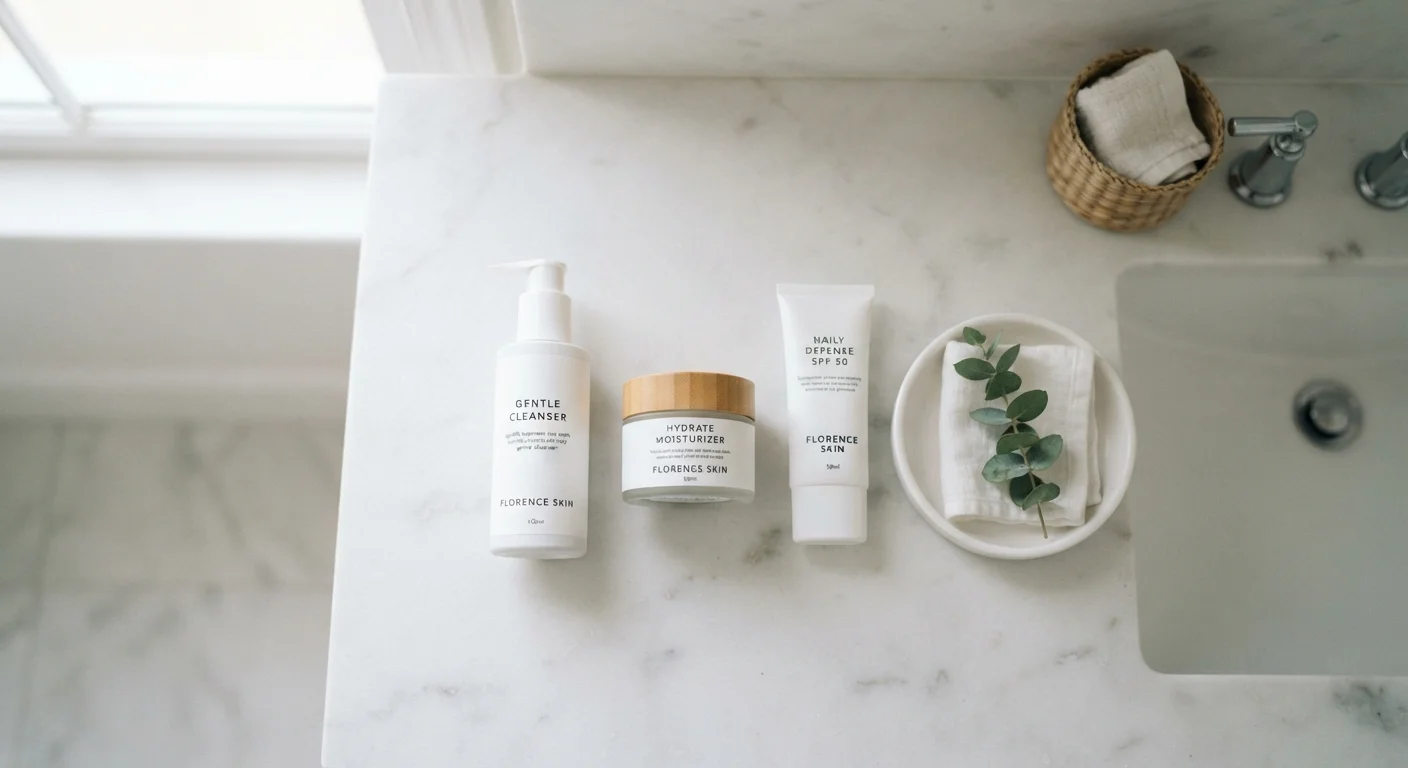
Regardless of skin type, budget, or concern, every beginner routine rests on three pillars:
- Cleanser - Removes dirt, oil, and environmental residue without stripping the skin's natural moisture barrier. Look for terms like "gentle," "sulfate-free," or "pH-balanced" on the label.
- Moisturizer - Replenishes and seals in hydration. This step supports your skin barrier, which is your body's first line of defense against irritants and water loss.
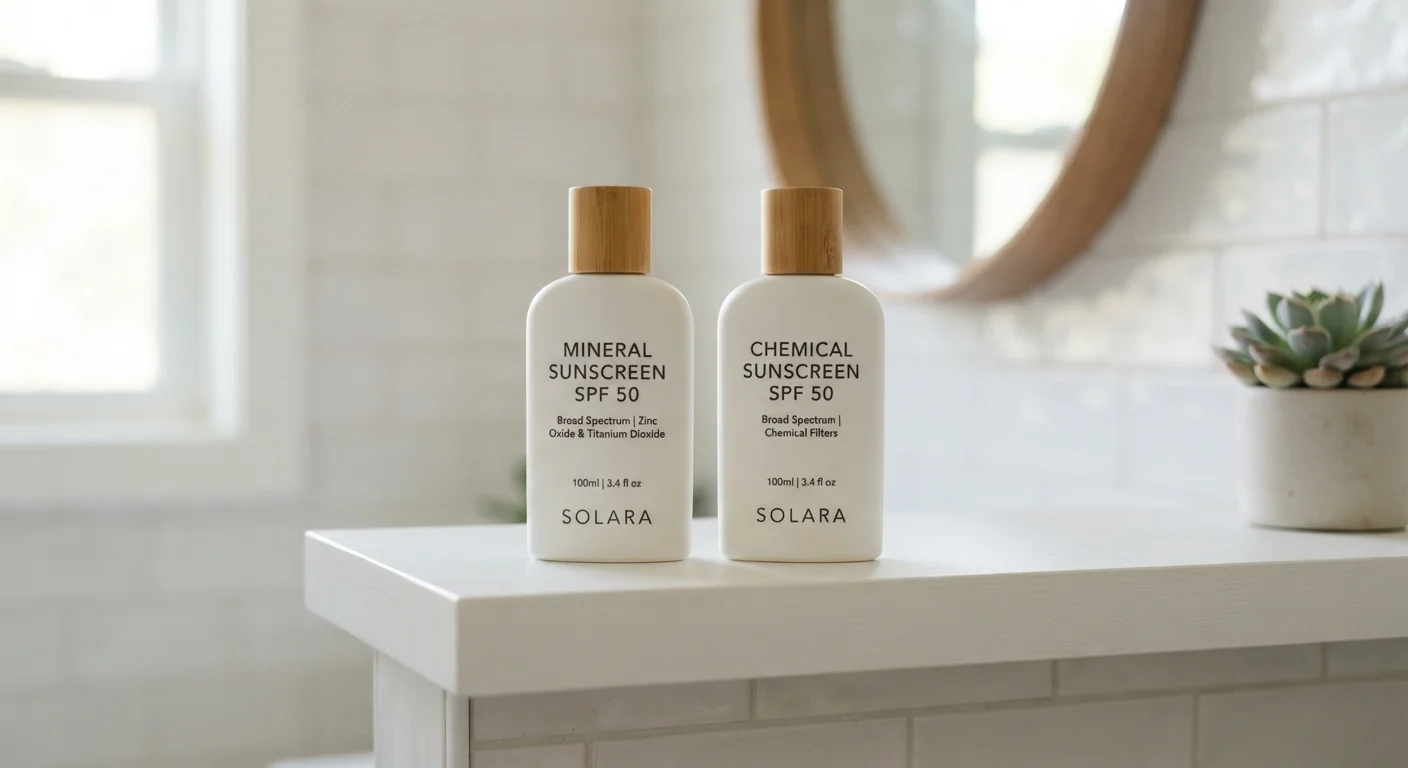
- Sunscreen (AM only) - Broad-spectrum SPF is the most evidence-supported step in any skincare routine. UV exposure is a leading cause of premature skin aging and skin damage, and protection is non-negotiable during daylight hours.
That's it. Before adding serums, exfoliants, or treatments, get consistent with these three. To understand more about what's inside the products you're choosing, our guide on reading a skincare label explains how ingredient lists are organized and what to look for.
Skin barrier
The outermost layer of skin that retains moisture and keeps irritants out. Supporting it is the primary goal of basic skincare.
Broad-spectrum SPF
A sunscreen that protects against both UVA (aging) and UVB (burning) rays. 'Broad-spectrum' means it covers both types.
Non-comedogenic
A term used on product labels to indicate the formula is designed not to clog pores - a useful flag for oily or acne-prone skin.
Humectant
An ingredient that draws moisture into the skin from the environment or deeper skin layers. Common examples include hyaluronic acid and glycerin.
Emollient
An ingredient that softens and smooths the skin by filling in gaps in the skin barrier. Found in most moisturizers and creams.
pH-balanced
Refers to a product formulated at a pH close to healthy skin (around 4.5-5.5), which helps preserve the skin barrier and avoid irritation.
Understanding Your Skin Type
Knowing your skin type helps you select formulations that work with your skin rather than against it. The main categories are:
- Normal - Balanced oil and moisture levels; few sensitivities or blemishes.
- Dry - Feels tight, may flake or appear dull; benefits from richer, cream-based moisturizers.
- Oily - Prone to shine, especially in the T-zone (forehead, nose, chin); benefits from lightweight, gel-based or oil-free formulas.
- Combination - Oily in the T-zone, drier on cheeks; may need a balanced, moderate-weight moisturizer.
- Sensitive - Reacts easily to fragrances, alcohol, or harsh actives; prioritize fragrance-free, minimal-ingredient products.
A simple at-home test: wash your face with a gentle cleanser, pat dry, wait 30 minutes without applying anything, then observe how your skin feels. Tightness suggests dry; visible shine suggests oily; a mix of both points to combination.
Don't Self-Diagnose Skin Conditions
Skin type is not the same as a skin condition. Acne, rosacea, eczema, and psoriasis require professional evaluation and are not addressed by general over-the-counter routines alone. If you notice persistent redness, unusual lesions, or pain, consult a licensed dermatologist rather than adjusting your product lineup.
How to Layer Products Correctly
Product order directly affects how well each step performs. The general rule: apply thinnest to thickest consistency, allowing each layer to absorb before the next.
A beginner's morning sequence looks like this:
- Cleanser (rinse off)
- Moisturizer (let absorb for a minute)
- Sunscreen (last step, on top of everything)
At night, the sequence is the same minus SPF - and you may want a slightly richer moisturizer since skin goes into repair mode during sleep. For a deeper look at why this sequence matters, see our article on why the order you apply products matters. And for a fully structured AM walkthrough, our morning skincare routine guide covers each step in sequence.
This article is for general informational purposes only and is not a substitute for advice from a qualified dermatologist or healthcare professional. If you have a skin condition or experience persistent irritation, please consult a licensed professional.
When to Add More to Your Routine
Once your three-step routine feels consistent and your skin has stabilized - typically after four to six weeks - you may consider adding a targeted treatment. Common next steps include:
- Exfoliating acids (such as AHAs or BHAs) to address texture or congestion. Our plain-English guide to exfoliating acids explains the differences before you commit to one.
- Vitamin C serum for antioxidant support and brightening, applied in the morning before moisturizer.
- A dedicated night treatment, such as a retinol or peptide formula, to support cell renewal during sleep. Our guide to nighttime skincare routines explains why PM products work differently.
Add only one new product at a time and wait at least two weeks before introducing another. This makes it possible to identify what's helping - and what might be causing a reaction. If your routine starts to feel unmanageable, it may be growing beyond what your skin can benefit from; our article on signs you're overcomplicating your routine can help you course-correct.