How Each Temperature Affects the Body
Shower temperature is not just a comfort preference - it triggers measurable physiological responses. Understanding what each temperature actually does helps you make intentional choices rather than defaulting to habit.
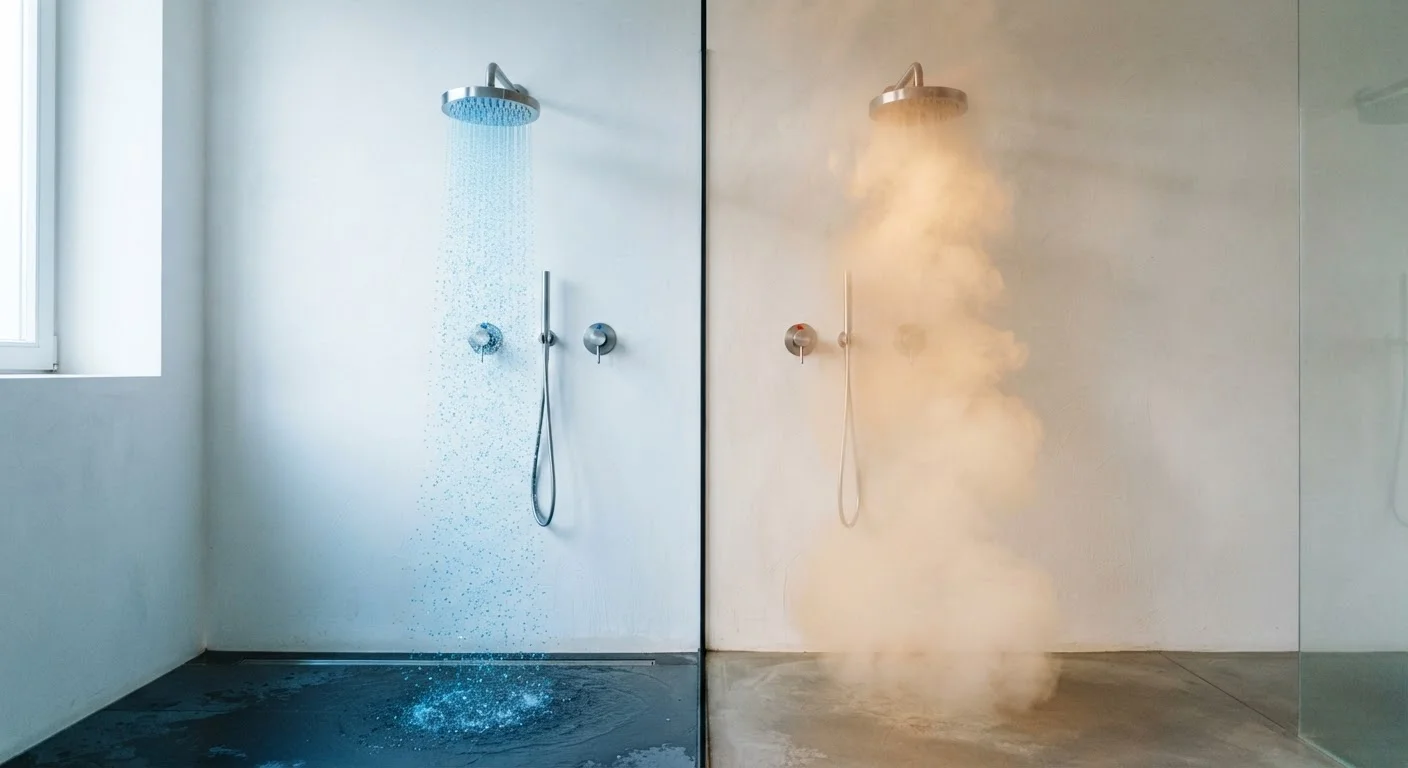
Cold showers (generally below 60°F / 15°C) activate the sympathetic nervous system - the body's alertness system. Within seconds, heart rate rises, breathing quickens, and the body releases noradrenaline, a neurotransmitter associated with focus and mood regulation. Cold water also causes peripheral vasoconstriction (blood vessels near the skin narrow), which may contribute to the temporary reduction in tissue swelling that makes cold exposure appealing in recovery contexts.
Warm showers (typically 98-105°F / 37-40°C) have the opposite effect on the nervous system. They activate the parasympathetic branch - the rest-and-digest mode - which lowers heart rate and reduces muscular tension. Importantly, a warm shower raises skin surface temperature temporarily, after which the body compensates by releasing core heat. This cooling rebound is associated with the relaxed, drowsy feeling many people notice after a warm bath or shower.
| Criterion | Cold Showers | Warm Showers |
|---|---|---|
| Nervous system effect | Activates sympathetic (alertness) | Activates parasympathetic (calm) |
| Mood impact | Short-term energy and focus boost | Relaxation and stress reduction |
| Sleep support | Not well-supported | May improve sleep onset (1-2 hrs before bed) |
| Muscle soreness | May reduce perceived soreness | Eases tension and stiffness |
| Skin tolerance | Can cause redness in sensitive skin | Gentler; hot water strips natural oils |
| Post-workout use | Commonly used; evidence mixed | Supports relaxation and joint ease |
| Ease of habit formation | Requires acclimatisation for most people | Comfortable from the start for most |
For a broader look at how temperature, light, and seasonal shifts interact with your skin and energy levels, see our guide on seasonal skin and wellness adjustments.
Recovery and Mood: What the Research Suggests
Both shower temperatures have attracted genuine scientific interest, though neither body of evidence is as settled as popular wellness content often implies.
Cold Showers and Mood
A frequently cited 2018 Dutch clinical trial (Buijze et al.) found that participants who ended showers with cold water reported fewer sick days and higher self-rated energy levels over a 90-day period compared to a control group. However, mood improvement was self-reported and confounded by expectation effects - a limitation the researchers acknowledged. Separately, cold water exposure has been shown to raise plasma noradrenaline levels, which is relevant to mood but does not confirm clinical antidepressant effects for the general population.
29%
Reduction in self-reported sick days
A 2018 Dutch trial (Buijze et al.) found participants using cold shower finishes reported roughly 29% fewer sick days than the control group over 90 days.
10 min
Optimal pre-sleep warm bath/shower duration
The 2019 Sleep Medicine Reviews meta-analysis identified approximately 10 minutes as the duration associated with the clearest sleep-onset benefits from warm bathing.
1-2 hrs
Ideal window before bedtime
Research consistently points to bathing 1-2 hours before sleep as the window most likely to support the core temperature drop that aids sleep onset.
Warm Showers and Sleep
Sleep researchers have studied the relationship between pre-sleep bathing and sleep quality more thoroughly. A 2019 meta-analysis published in Sleep Medicine Reviews found that bathing in warm water (40-42.5°C) taken 1-2 hours before bedtime was associated with improved sleep onset and quality. The proposed mechanism is the core body temperature drop that follows, which mirrors the natural evening temperature decline that signals the brain to initiate sleep. This is one of the more robust connections in the shower temperature literature. For more on evidence-supported sleep practices, our article on sleep hygiene myths separates fact from popular misconception.
Post-Exercise Recovery
Cold water immersion has been used in athletic settings for decades, but full immersion differs meaningfully from a cold shower. Some studies suggest cold exposure reduces delayed onset muscle soreness (DOMS) perception, while others indicate it may blunt long-term strength adaptations when used consistently after resistance training. Warm showers, by contrast, support muscle relaxation and may reduce joint stiffness. The complementary article on active recovery vs. rest days explores how shower temperature fits into a broader post-exercise strategy.
Practical Considerations: Skin, Habit, and Individual Fit
The best shower temperature for any individual depends on personal physiology, skin type, time of day, and wellness goal - not a universal rule.
Skin Health
Very hot showers can strip the skin's natural lipid barrier, worsening dryness and potentially aggravating conditions like eczema. Very cold showers can provoke capillary dilation responses and redness in people with rosacea-prone skin. Lukewarm to moderately warm water is generally considered dermatologist-friendly for most skin types. After any shower, timing your moisturiser application correctly makes a meaningful difference in how well your skin retains hydration.
Contrast Showering
Some wellness practitioners recommend alternating between cold and warm water within a single shower session. The idea is to combine the vasoconstrictive effects of cold with the vasodilatory effects of warm, potentially improving circulation. The evidence base for contrast showering is modest compared to cold immersion research, and it is worth approaching with reasonable expectations rather than treating it as a proven recovery tool.
A Note on Cardiovascular Considerations
Sudden cold water exposure causes a brief spike in heart rate and blood pressure. For most healthy adults, this is temporary and not harmful. However, people with cardiovascular conditions, Raynaud's phenomenon, or any condition affecting blood pressure should consult their healthcare provider before incorporating cold shower practices. This content is general education, not personalised medical guidance.
Listening to Your Body
Individual responses to temperature vary considerably. Some people find cold showers activating to the point of anxiety; others find warm showers so relaxing they feel sluggish afterward. Starting with brief cold finishes at the end of a warm shower - rather than full cold immersion from the start - is a common approach for those exploring cold exposure gradually.
This article is for general informational and educational purposes only and is not medical advice. If you have a cardiovascular condition, skin condition, or any health concern, consult a qualified healthcare professional before changing your shower habits.