What Makes Something a Focal Point
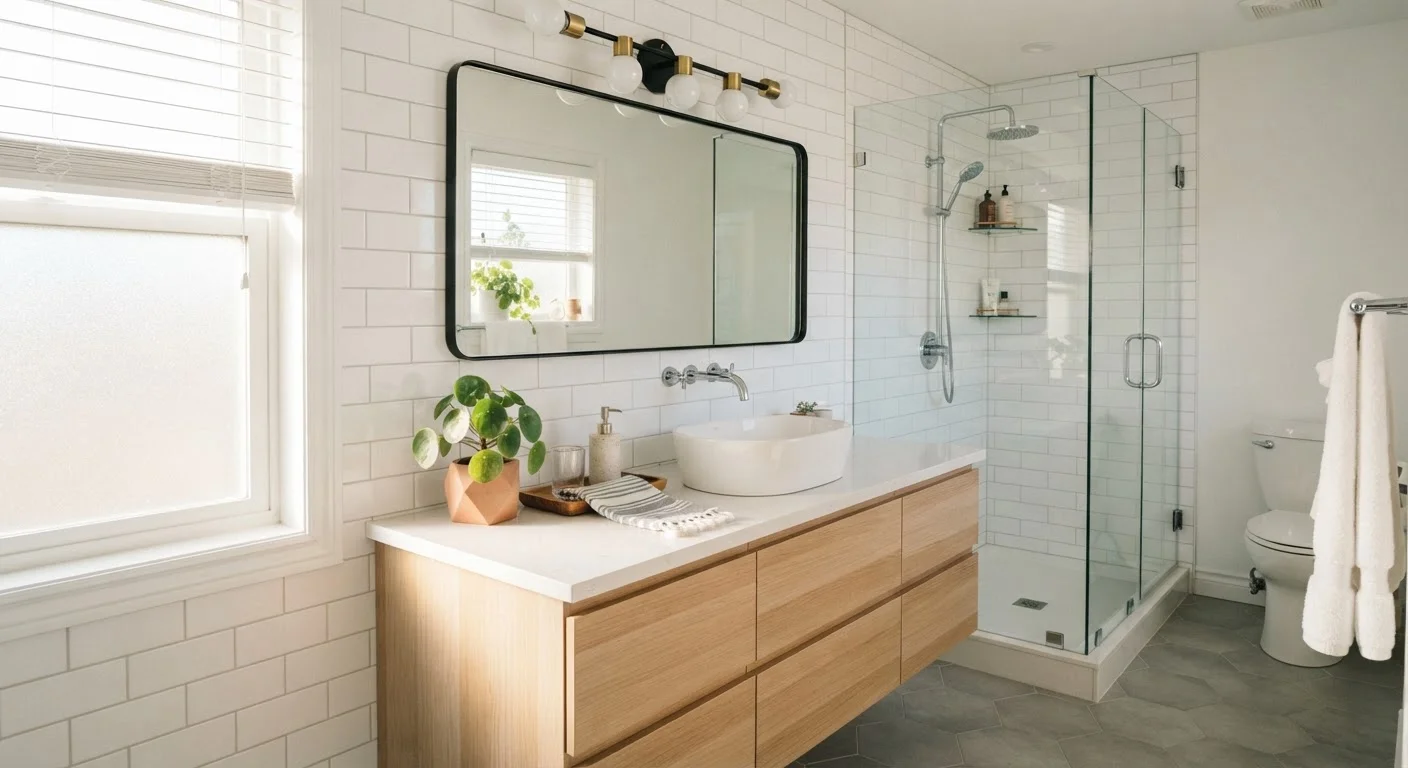
A focal point is simply the feature a room organizes itself around. It's the first thing your eye finds and the element everything else supports. Focal points work because of contrast - they stand out from surrounding surfaces in size, color, texture, or detail.
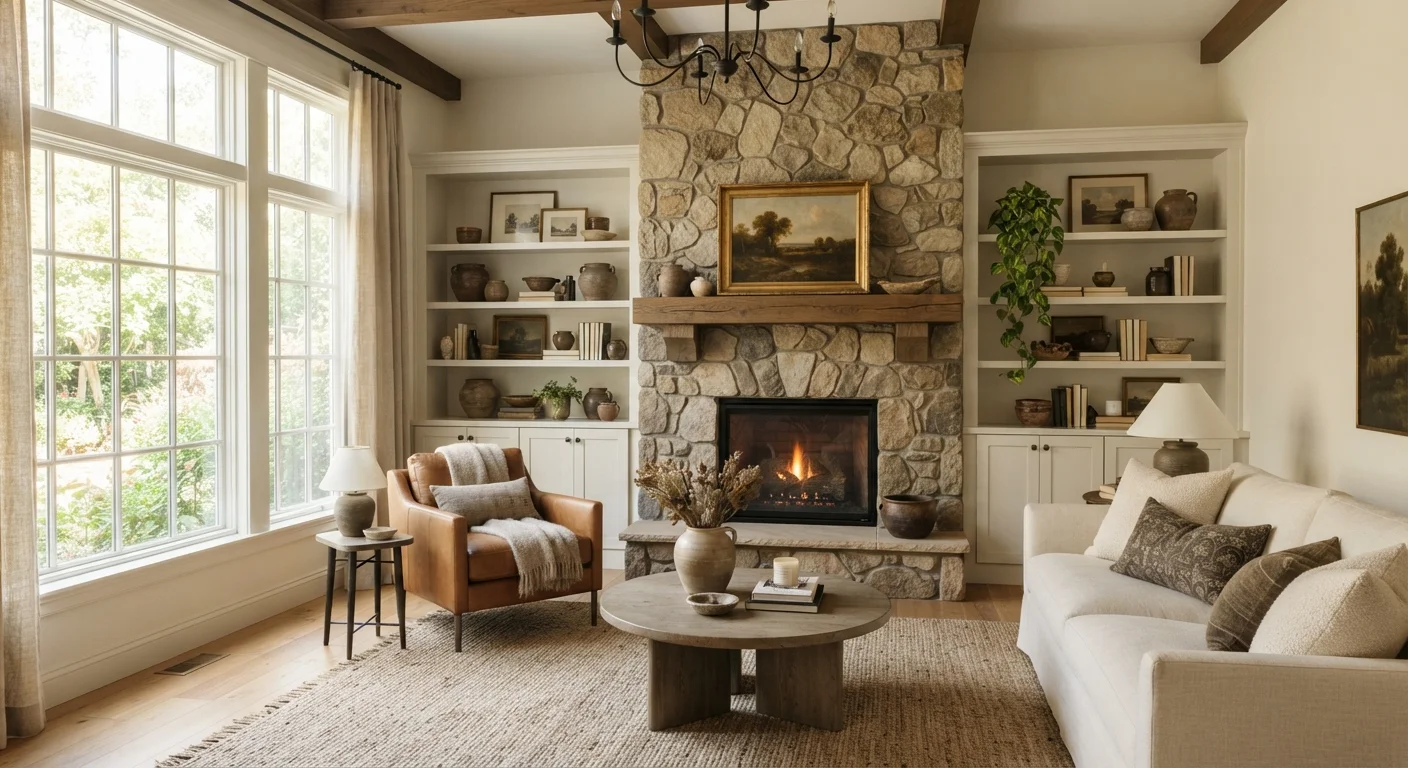
Natural focal points are architectural: fireplaces, large windows with a view, an exposed brick wall, or a vaulted ceiling with a dramatic beam. These features exist before a single piece of furniture is placed, and smart decorating works with them rather than ignoring them.
Understanding this concept is foundational. Our room-by-room decorating checklist uses focal points as the starting point for each space - because once you know the anchor, everything else falls into a logical order.
Focal Points and Room Size
In smaller rooms, a focal point actually helps the space feel larger and more intentional by giving the eye a clear destination rather than bouncing from surface to surface. The key is keeping the surrounding area uncluttered so the featured element has room to breathe. Overcrowding around a focal point diminishes its impact regardless of room size.
How to Identify the Focal Point You Already Have
Before rearranging anything, stand at the main entrance to the room and let your eyes land naturally. Whatever they settle on first is your existing focal point - or the strongest candidate for one.
Ask yourself these questions:
- Is there a fireplace, large window, or built-in shelving unit?
- Does one wall have a stronger architectural presence than the others?
- Is there a piece of furniture - a bed headboard, a dining table - that dominates the room by size alone?
If you identified something, your job is to frame it: clear the clutter around it, direct furniture toward it, and make sure lighting draws attention to it rather than away from it. Rooms that feel 'off' often have a buried focal point competing with too many visual distractions.
1
Dominant focal point recommended per room
Interior design educators and professional decorators consistently advise limiting each room to a single dominant focal point to avoid visual competition.
~60%
Of rooms use furniture placement as focal reinforcement
Surveys of interior design practice suggest the majority of professional room layouts are oriented around an existing architectural feature or a deliberate focal element.
Creating a Focal Point When Nothing Obvious Exists
Rental apartments, boxy rooms, and newer construction often lack strong architectural features. That's a design challenge, not a dead end.
Common solutions include:
- A large-scale art piece or gallery arrangement hung at eye level on the longest or most visible wall. A single oversized work tends to read more powerfully than many small pieces. If you do want multiple frames, our guide on gallery walls done right explains how to keep arrangements from looking chaotic.
- An accent wall in a contrasting color or textured material - wallpaper, shiplap, or even a deep paint color can give one wall the visual weight it needs to lead the room.
- A statement furniture piece - a boldly upholstered sofa, a dramatic bed frame, or a distinctive dining table can anchor a room when walls offer nothing to work with.
Whatever you choose, resist adding a second competing feature. Visual weight is a finite resource - give it to one element and let the rest recede.
Test Before You Commit
Before painting an accent wall or hanging large art, use painter's tape to outline the proposed area and live with it for a day or two. This low-effort test lets you evaluate scale and placement in real light conditions before making permanent decisions. It's especially helpful in rooms where natural light shifts significantly throughout the day.
Arranging Everything Else Around It
Once your focal point is established, furniture and décor should acknowledge it. In a living room, seating typically faces or angles toward the focal feature. In a bedroom, the bed headboard usually serves as the focal point, so nightstands, lighting, and art are arranged symmetrically outward from it.
A few practical principles to keep in mind:
- Keep the area immediately around the focal point relatively clear - clutter competes with it.
- Use lighting intentionally: a picture light, sconce, or directed floor lamp draws the eye to the feature after dark.
- Scale matters - undersized furniture or art near a large architectural feature looks timid. Match the visual weight of surrounding pieces to the anchor.
If you're starting a room from scratch and finding the whole process overwhelming, our article on decorating your first home walks through what to prioritize and in what order - focal point first is always sound advice.