Start With a Clear Vision and Budget Framework
Decorating a kitchen from scratch can feel overwhelming, but the process becomes manageable when you break it into deliberate, ordered decisions. Before buying a single item, define two things: your visual style and a realistic spending range for each category of the room.
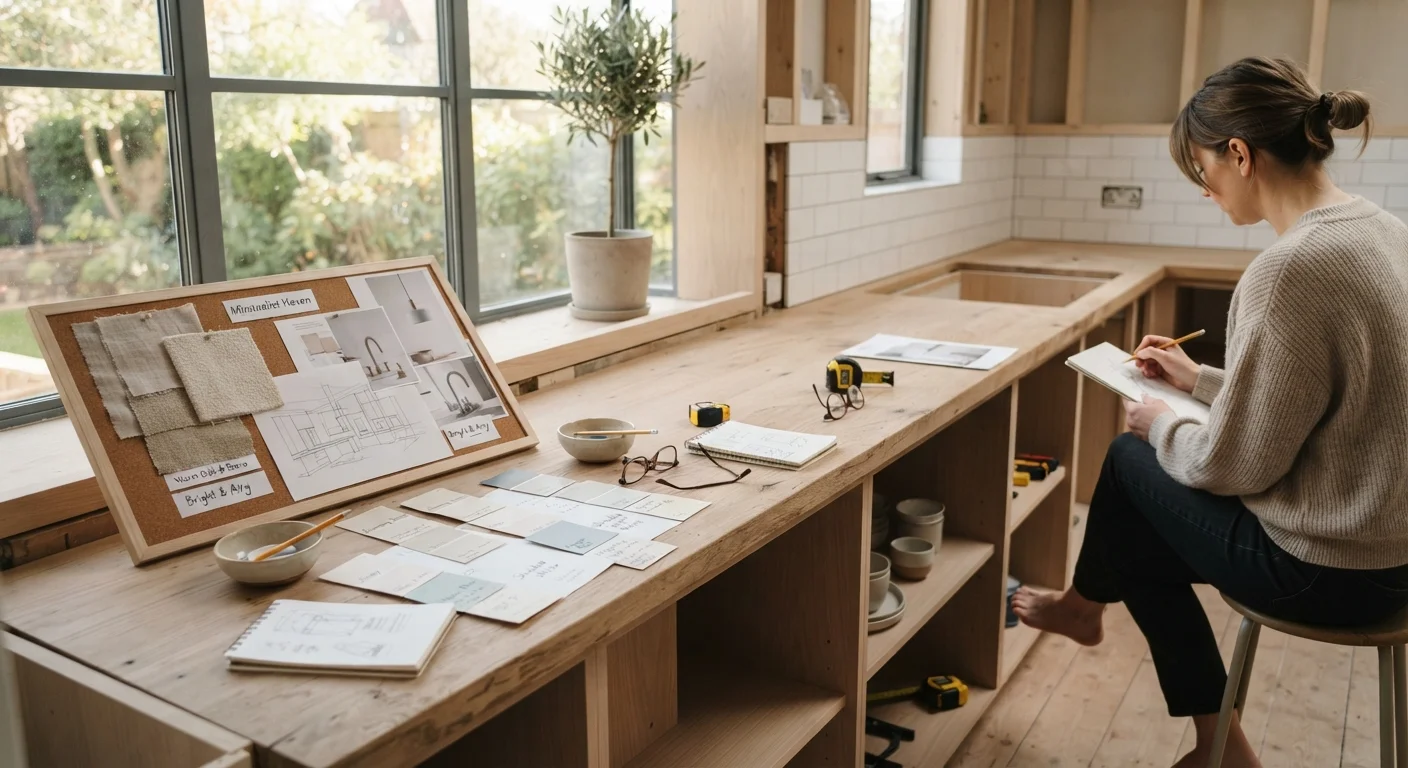
Common kitchen styles include modern minimalist, farmhouse, transitional, and industrial. Each style implies different material choices, color palettes, and hardware profiles. Pinning reference images to a physical or digital mood board helps you spot the common threads across photos you love - those threads become your design rules.
On budget, divide your overall figure into rough allocations: surfaces and cabinetry tend to consume the largest share, while textiles and accessories are the most flexible. This prevents overspending early on items that lock you in before you've considered the full picture. If you're new to setting up your first kitchen, our guide for first-time homeowners covers foundational decisions in helpful detail.
Build Your Mood Board Before You Shop
Collect at least 10-15 reference images before making any purchases. Look for the materials, finishes, and color tones that repeat across the images you're drawn to - these patterns define your actual style preference. This step saves money by reducing impulse buys that don't fit the overall vision.
Walls, Paint, and Backsplash: Setting the Tone
Wall color and backsplash materials are the backdrop against which every other element is judged - which is why they belong early in your planning sequence. Changing them after cabinets and appliances are in place is far more disruptive than the reverse.
For paint, semi-gloss or satin finishes are widely recommended for kitchens because they resist moisture and can be wiped clean. Lighter neutrals - warm whites, soft grays, and pale greiges - make smaller kitchens feel more open. If you want color, consider limiting it to a single accent wall or the island, which keeps the space balanced.
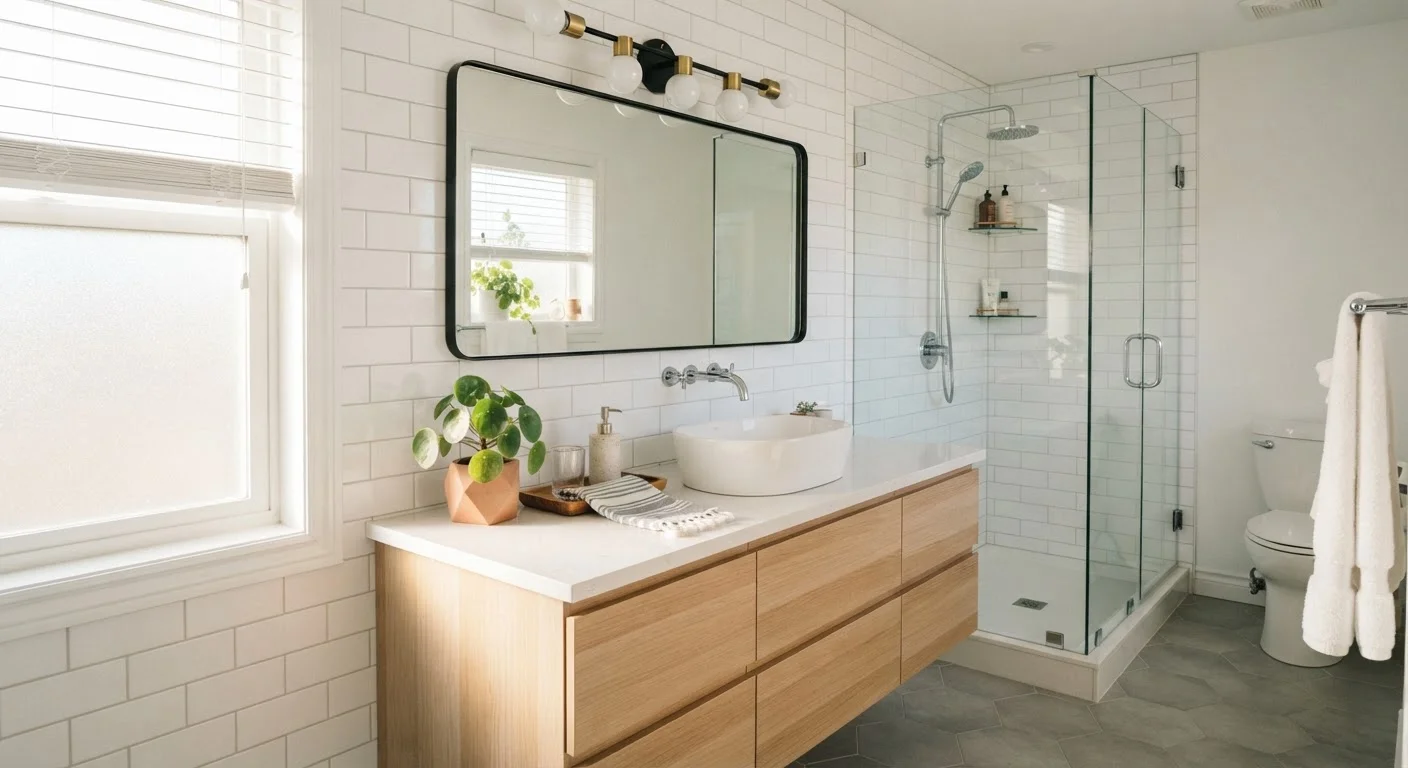
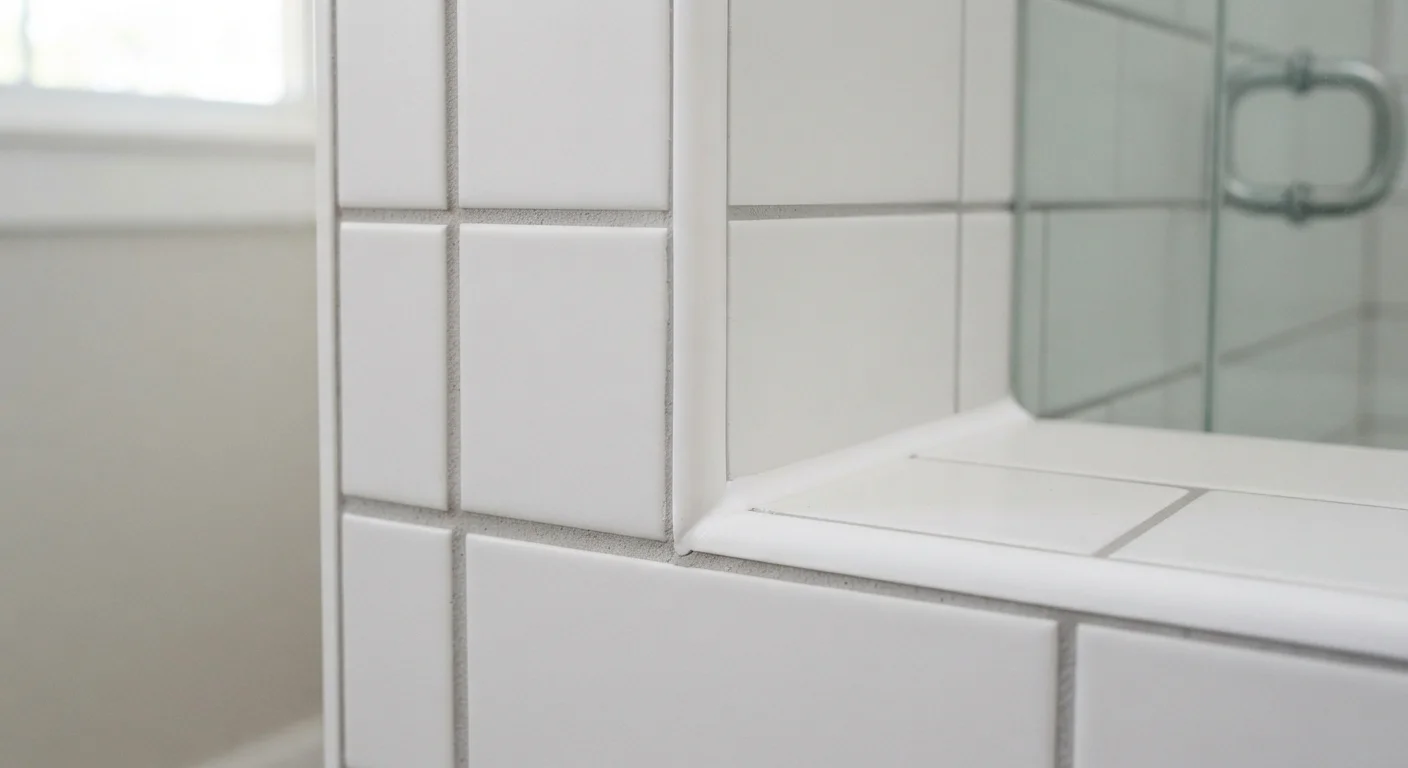
Backsplash serves both a functional and decorative role. Subway tile remains a durable, versatile choice that works across many styles. Larger-format tiles reduce grout lines and are generally easier to clean. Peel-and-stick tile options have improved significantly and can be a practical solution if you're renting - compare options in our rental kitchen decorating guide.
Test Paint Colors in Your Actual Kitchen Light
Kitchen lighting - whether warm incandescent, cool LED, or natural daylight - changes how paint colors appear on the wall. Always test sample swatches on the actual wall and observe them at different times of day before committing to a full coat. What looks perfect on a chip in a store can read very differently once applied.
Cabinetry, Hardware, and Storage Solutions
Cabinets dominate the visual weight of most kitchens. If you're working with existing cabinetry, painting them a fresh color and replacing hardware is one of the highest-impact, lower-cost updates available. Standard cabinet paint adheres well when surfaces are properly cleaned, lightly sanded, and primed first.
Hardware - pulls, knobs, and hinges - functions like jewelry for your cabinets. Brushed brass, matte black, and satin nickel are all durable finishes that suit a wide range of styles. Consistency matters: choose one finish and carry it through the entire kitchen, including faucets and light fixtures, for a cohesive result.
Interior organization products such as drawer dividers, pull-out shelves, and lazy Susans improve daily function dramatically. When storage works well, countertops stay clearer - which itself is a significant decorating outcome. For broader home organization ideas, visit our home improvement tips hub.
When replacing cabinet hardware, bring one existing door hinge or pull to the hardware store to confirm hole spacing before purchasing a full set.
Standard hole spacing varies between manufacturers, and mismatched spacing requires drilling new holes - adding unnecessary time and risk of damage to cabinet faces.
Paint upper and lower cabinets different colors - a darker shade on lowers and lighter on uppers - to add visual depth without a full renovation.
This two-tone approach is a well-established design technique that grounds the space and makes ceilings feel taller, particularly effective in smaller kitchens.
Countertops and Sink Area Planning
Countertops are a high-touch surface that must balance aesthetics with practicality. Laminate surfaces have evolved considerably and now convincingly mimic stone at a lower price point. Natural stone such as granite and quartzite is durable but requires periodic sealing. Engineered quartz is non-porous and low-maintenance, making it a popular all-around choice.
The sink and faucet anchor the counter zone visually. A farmhouse apron-front sink reads as a decorative statement piece; an undermount sink creates a seamless, easy-to-clean surface line. Whatever style you choose, match the faucet finish to your cabinet hardware to maintain visual unity.
Countertop Installation Often Requires a Professional
Natural stone and engineered quartz countertops typically require professional templating, cutting, and installation due to their weight and the precision needed around sinks and appliances. Attempting DIY installation without experience can result in cracked slabs or improper sealing. Verify local permit requirements for any plumbing changes connected to a new sink installation.
Once your countertop material and color are set, they become a reference point for every other finish decision. Keep a physical sample or clear photo on hand when shopping for complementary items.
~80%
Kitchen remodel cost recovered at resale
Remodeling Magazine's Cost vs. Value reports consistently show minor kitchen remodels recoup a significant portion of their cost, though outcomes vary by market and scope.
3 layers
Recommended lighting types per kitchen
Interior design professionals broadly recommend ambient, task, and accent lighting in combination for functional and visually balanced kitchen spaces.
Lighting, Textiles, and Finishing Touches
Effective kitchen lighting uses three layers: ambient (general overhead light), task (under-cabinet lighting over work surfaces), and accent (above-cabinet or inside-cabinet lighting that adds warmth). Relying on a single overhead fixture alone leaves most work surfaces shadowy and makes the space feel flat.
Under-cabinet LED strip lighting is an accessible upgrade that dramatically improves both function and atmosphere. Many plug-in options require no electrical work, making them practical for most homeowners. Pendant lights over an island or peninsula add a decorative focal point while delivering directed task light.
Textiles - window treatments, dish towels, and a kitchen runner rug - are the most affordable and reversible layer of kitchen decoration. A runner in a washable material adds comfort underfoot and introduces pattern or color without commitment. Window treatments should filter light without darkening the space; sheer or woven shades are well suited to kitchens.
Finishing accessories such as open shelving displays, a curated collection of ceramics, or a small indoor herb planter on the windowsill bring personality to the completed room. For a structured approach to decorating every room consistently, see our room-by-room decorating checklist. You can also explore broader styling ideas at our home décor tips hub.