Why Smart Home Privacy Myths Spread So Easily
Smart home technology has outpaced most consumers' understanding of how it actually works - and that gap is where myths take root. Stories about devices "spying" on families circulate because they contain a kernel of plausible truth: these devices do have microphones, cameras, and internet connections. But the jump from "capable of recording" to "constantly recording everything" is not supported by how these devices are engineered or regulated.
Part of the confusion also stems from genuine incidents. Platform companies have, at times, acknowledged that human contractors briefly reviewed voice recordings to improve accuracy - a practice that prompted widespread concern and policy changes. Those incidents were real, but they were narrower in scope than headlines suggested. Understanding what actually happened is more useful than assuming the worst-case scenario is the default.
For a broader look at the pitfalls new users encounter, see common surprises for first-time smart home owners.
The Most Common Misconceptions, Corrected
The myths below represent the questions and fears that come up most often among consumers evaluating or already using smart home devices. Each one reflects a real concern - but the accurate picture is more nuanced than the fear suggests.
Myth
My smart speaker is always listening and recording everything I say.
Fact
Smart speakers are designed to listen locally for a wake word only, not to continuously record and transmit audio.
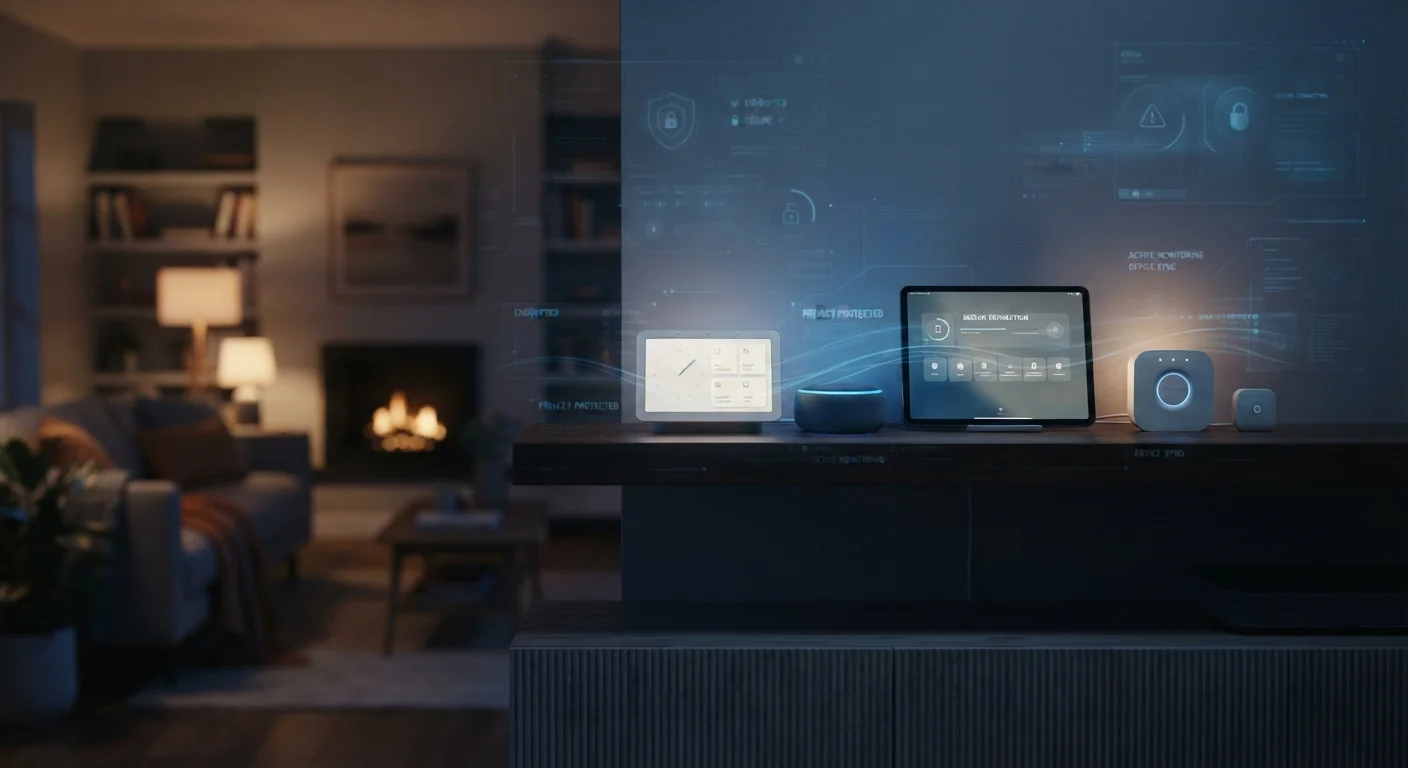
The microphone in a smart speaker does remain on in a passive, local-listening state - but the device is not streaming or recording audio to a server. It waits for a specific wake word (such as "Hey Google" or "Alexa"), and only after detecting that trigger does it send audio to the cloud for processing. Occasional false activations do happen, which can feel alarming, but these are engineering errors rather than intentional surveillance. Most devices include a hardware mute button that physically disconnects the microphone if you want additional assurance.
Myth
Smart home companies sell your personal conversations and data to advertisers.
Fact
Major platform operators generally use behavioral and usage data for product improvement and targeted advertising within their own ecosystems - direct sale of audio conversations to third parties is not a documented, common practice.
Privacy concerns about smart home platforms are legitimate, but the specifics matter. Companies typically collect usage patterns - which commands are used, when, and how often - to improve voice recognition and suggest services. This data can inform advertising within the same company's ecosystem. However, the idea that your private conversations are packaged and sold to outside advertisers as recordings is not supported by documented evidence. Reviewing a device's privacy policy gives you a clearer, accurate picture of what is actually collected and shared.
Myth
If a device is connected to Wi-Fi, hackers can easily access it.
Fact
Connected devices carry real but manageable risks; basic security practices significantly reduce your exposure.
A connected device on a secured network, running current firmware, with a strong unique password is meaningfully harder to compromise than the "easy target" narrative suggests. Real vulnerabilities tend to arise from outdated software, reused passwords, or an insecure router - not simply from being online. Auditing your connected home for common vulnerabilities is a practical step that addresses the actual risk surface, rather than treating all connected devices as equally exposed.
Myth
All smart home data goes to the cloud, so you have no privacy control.
Fact
Many modern smart devices process data locally on the device, never sending it to a remote server at all.
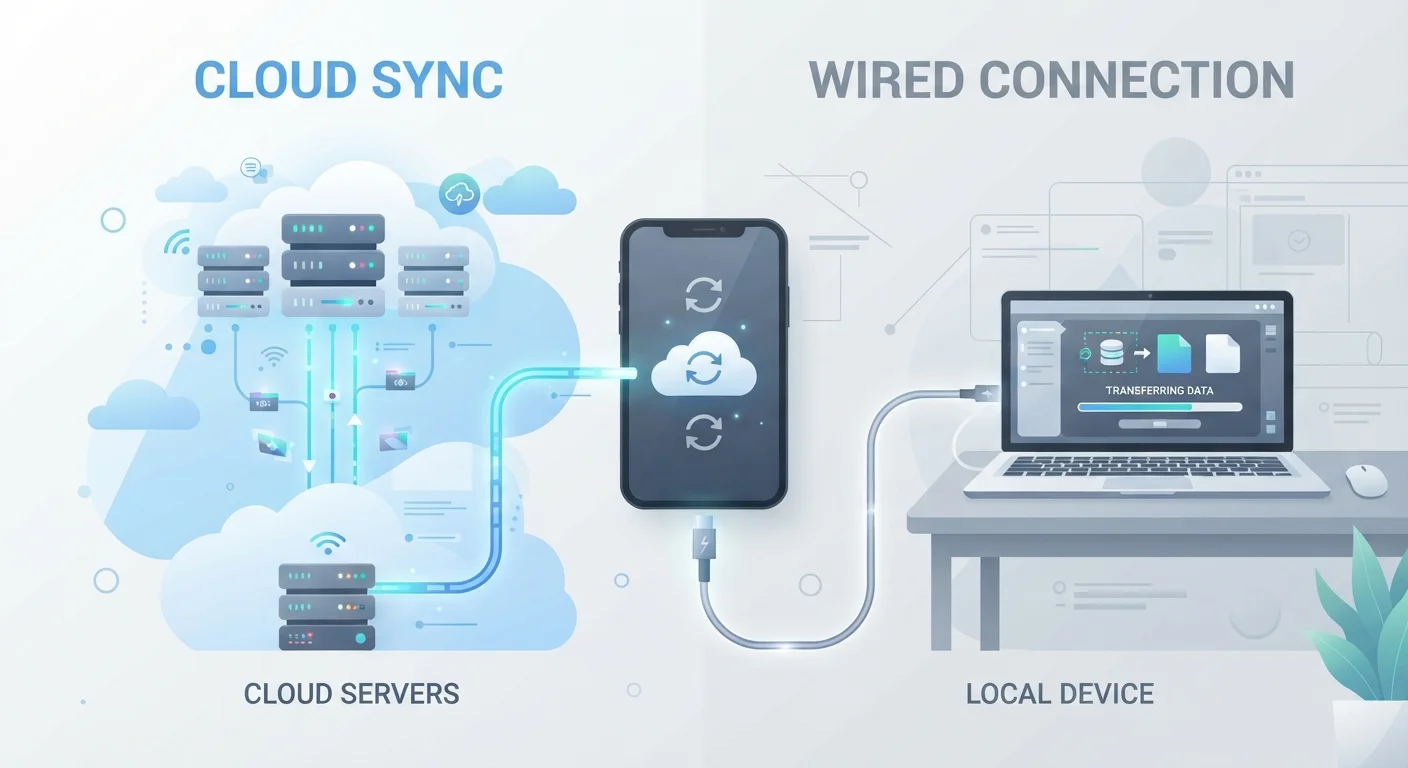
The distinction between local processing and cloud-dependent devices is significant and often overlooked. Some devices - particularly newer ones designed around privacy - handle voice recognition, automation logic, and sensor data entirely on-device. Others do rely on cloud servers, which introduces different privacy and reliability trade-offs. Understanding local versus cloud processing helps you make more informed choices about which devices belong in your home.
Myth
Using a smart home means you have no privacy - it's all or nothing.
Fact
Privacy in a smart home exists on a spectrum, and users have meaningful control over many of the variables.
Smart home adoption doesn't require surrendering privacy wholesale. You can choose which rooms have connected devices, restrict microphone or camera access at the hardware level, segment smart devices onto a separate guest network, and selectively opt out of data-sharing features. The real trade-offs of a smarter home involve genuine compromises, but they are navigable ones - not a binary choice between full connectivity and full privacy.
Default Settings Aren't Always Privacy-Friendly
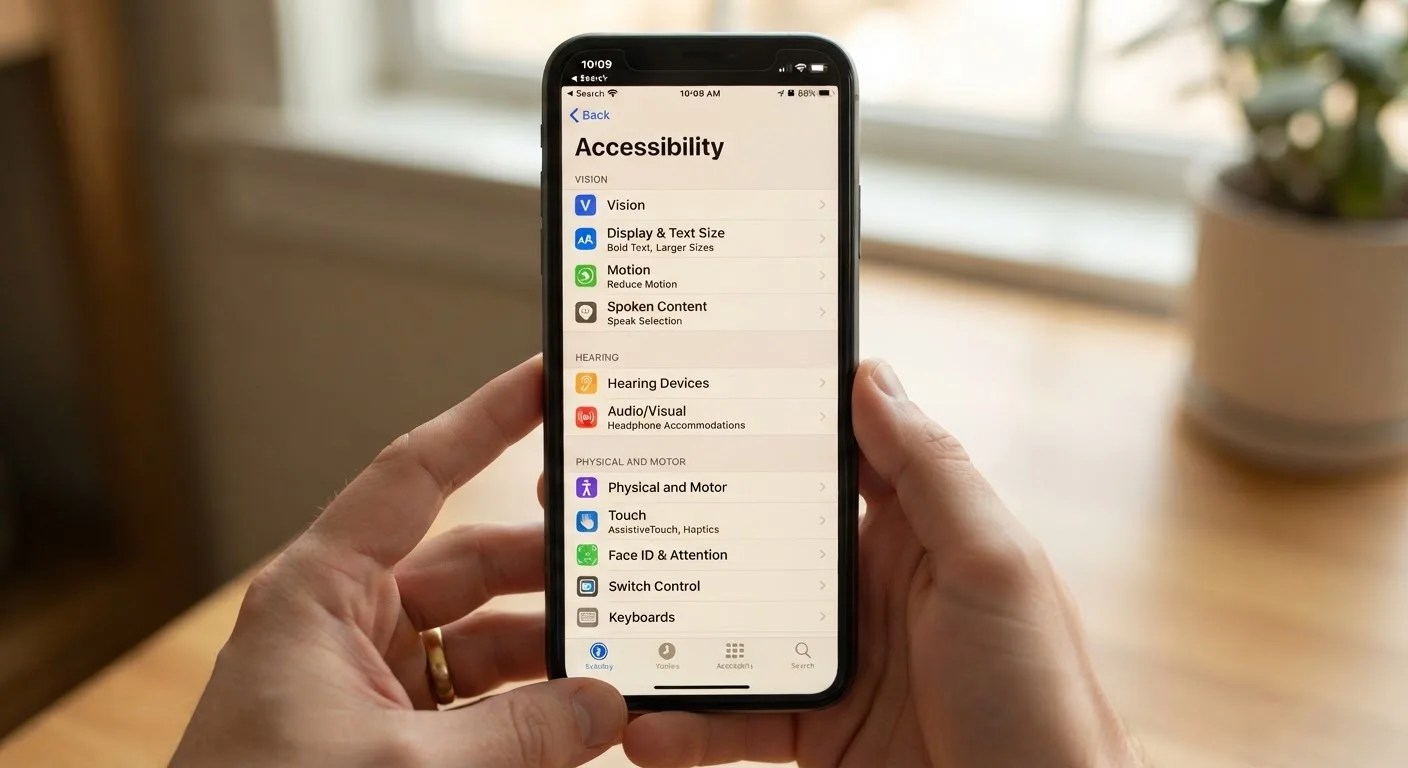
Many smart devices ship with data-sharing options enabled by default. Taking a few minutes to review your device's privacy settings in its companion app can meaningfully reduce what gets collected and retained. Don't assume factory settings reflect the most private configuration available to you.
What You Can Actually Do to Protect Your Privacy
Practical privacy protection in a smart home is less about avoiding connected devices entirely and more about making deliberate choices about which ones you use and how you configure them.
Your Network Is Your First Line of Defense
Many smart home privacy risks stem from poorly secured home Wi-Fi rather than from the devices themselves. A weak or shared network password creates a far larger vulnerability than most device-level concerns. Keeping your router firmware updated and using a strong, unique network password is among the most impactful steps you can take.
- Segment your network: Place smart devices on a separate guest network so that a compromised device cannot easily access your computers or phones.
- Update firmware promptly: Manufacturers release security patches regularly. Devices running outdated software carry higher risk.
- Review privacy settings: Most companion apps allow you to delete voice history, restrict data sharing, and disable certain features. The defaults are not always the most private options.
- Use hardware mute: When you want certainty, the physical mute button on most smart speakers disconnects the microphone at the hardware level - no software workaround can override it.
For a structured approach, the smart home security checklist covers the most common vulnerabilities in plain, actionable terms. And if you're evaluating which platform to build around, understanding how the major smart home ecosystems differ on privacy architecture is a useful starting point.
25%
Smart speaker false activation rate
Research published by Northeastern University found that smart speakers activated without a wake word in roughly 1 in 4 tested sessions under certain conditions - underscoring why occasional false triggers occur.
69%
US adults concerned about smart device privacy
A Pew Research Center survey found that a majority of US adults express concern about how connected devices collect and use their personal data.