Why Your Ecosystem Choice Matters More Than Any Single Device
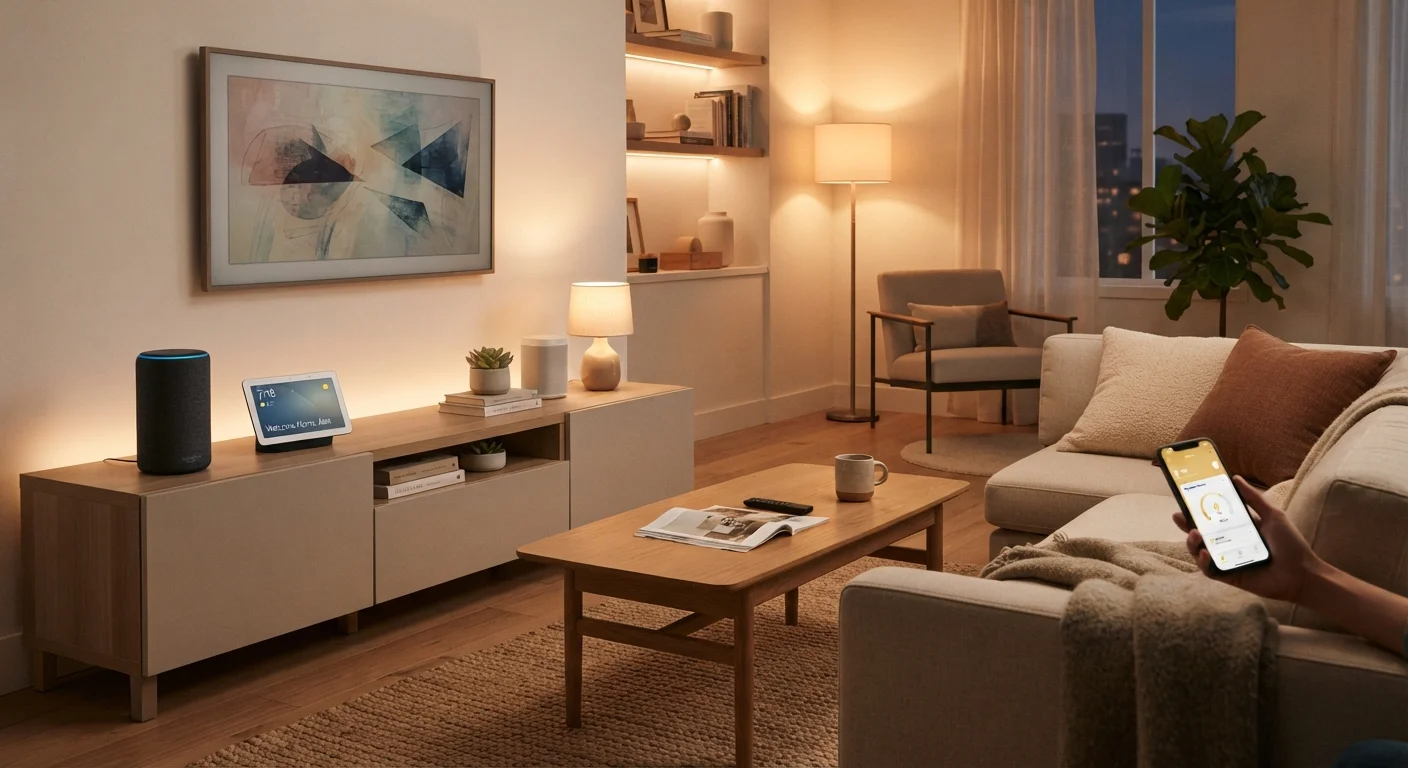
When you bring a smart bulb, lock, or thermostat home, it doesn't just connect to your Wi-Fi - it connects to a platform. That platform determines which voice assistant controls it, which app manages it, and which other devices it can communicate with. Choosing an ecosystem is, in effect, a long-term infrastructure decision.
The three dominant platforms in the US market are Google Home, Amazon Alexa, and Apple HomeKit. Each has a different philosophy, a different device library, and different tradeoffs. If you're new to all of this, the Smart Home 101 guide is a useful starting point before diving into platform comparisons.
Understanding these differences before you buy your first device can save you from a common and expensive mistake: building a home full of gadgets that don't work together smoothly.
Google Home: Search Smarts and Android Fluency
Google Home is built around the Google Assistant voice engine and integrates tightly with Google's broader service ecosystem - Calendar, Maps, YouTube, and Gmail among them. If your household runs on Android phones and Google accounts, the setup experience feels naturally connected.
Google Home's automation logic has improved significantly, and the platform supports a wide range of third-party devices. Its voice recognition is generally regarded as strong for natural-language queries - asking complex or follow-up questions tends to work more reliably than on competing platforms.
The main limitations are consistency and hardware. Google has reorganized its smart home hardware lineup several times, and support for older devices has occasionally been discontinued. Users who invested in early Google Home products have sometimes found their devices losing features over time - a risk worth understanding. For a practical look at the surprises that await new smart home owners, see common smart home pitfalls.
Amazon Alexa: The Compatibility Powerhouse
Amazon Alexa runs on the largest library of compatible third-party devices of any major platform. If you want to mix and match smart plugs, sensors, locks, and lights from different manufacturers, Alexa is typically the most accommodating ecosystem. This breadth makes it especially practical for budget-conscious shoppers who don't want to limit themselves to premium brands.
Alexa's "Skills" system allows third-party integrations far beyond standard smart home devices - connecting to fitness trackers, home security services, and entertainment platforms. Routines (automated sequences of actions) are flexible and easy to configure through the Alexa app.
| Google Home | Amazon Alexa | Apple HomeKit | |
|---|---|---|---|
| Voice Assistant | Google Assistant | Alexa | Siri |
| Device Compatibility | Wide | Widest | Narrower, certified-only |
| Privacy Approach | Cloud-based, Google data practices | Cloud-based, Amazon data practices | Primarily local processing |
| Best Smartphone Pairing | Android | Android or iPhone | iPhone / Apple devices |
| Matter Support | Yes | Yes | Yes |
| Home Hub Required | Google Nest device | Echo device | Apple TV or HomePod |
| Automation Flexibility | Strong | Very strong (Skills + Routines) | Solid with Apple hub |
The tradeoffs involve privacy and cloud dependency. Alexa processing happens primarily in Amazon's cloud, which means a reliable internet connection is essential for most functions. Privacy considerations are worth understanding before committing - the smart home privacy explainer separates common myths from verified facts.
Apple HomeKit: Privacy-First and Apple-Centric
Apple HomeKit takes a noticeably different approach: much of its processing happens locally on Apple devices rather than in the cloud, and Apple applies strict certification requirements to devices before they can carry HomeKit support. This results in a smaller but carefully vetted device library, and a privacy posture that Apple consistently highlights as a differentiator.
HomeKit is managed through the Apple Home app and integrates directly with Siri. For households using iPhones, iPads, and Apple TVs (which act as home hubs), the experience is polished and cohesive. Automations tied to location, time, and sensor states work reliably when an Apple TV or HomePod is present as a home hub.
The significant limitation is platform dependency: without Apple hardware, HomeKit's functionality is severely reduced. Android users have no native access to the Home app, making this ecosystem a poor fit for mixed-device households.
Start With Your Smartphone
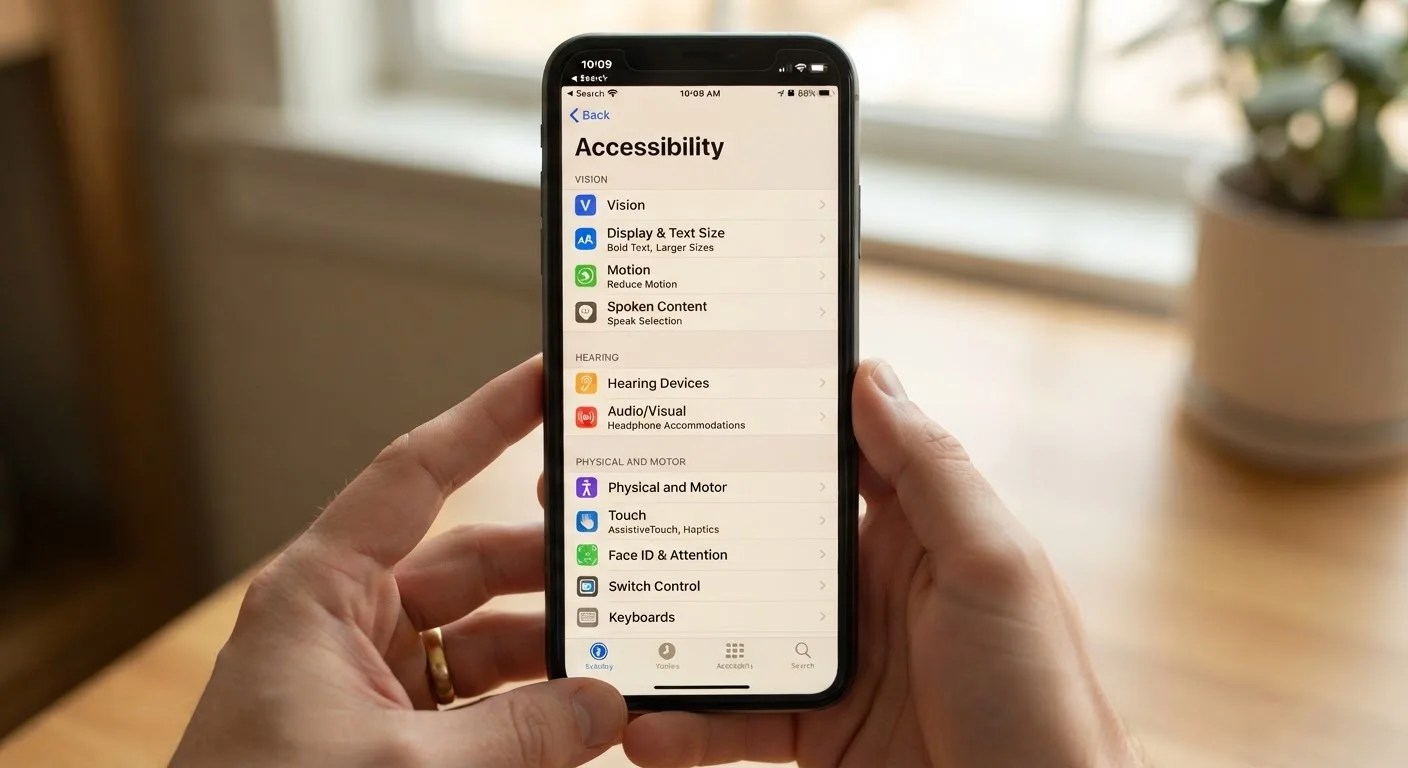
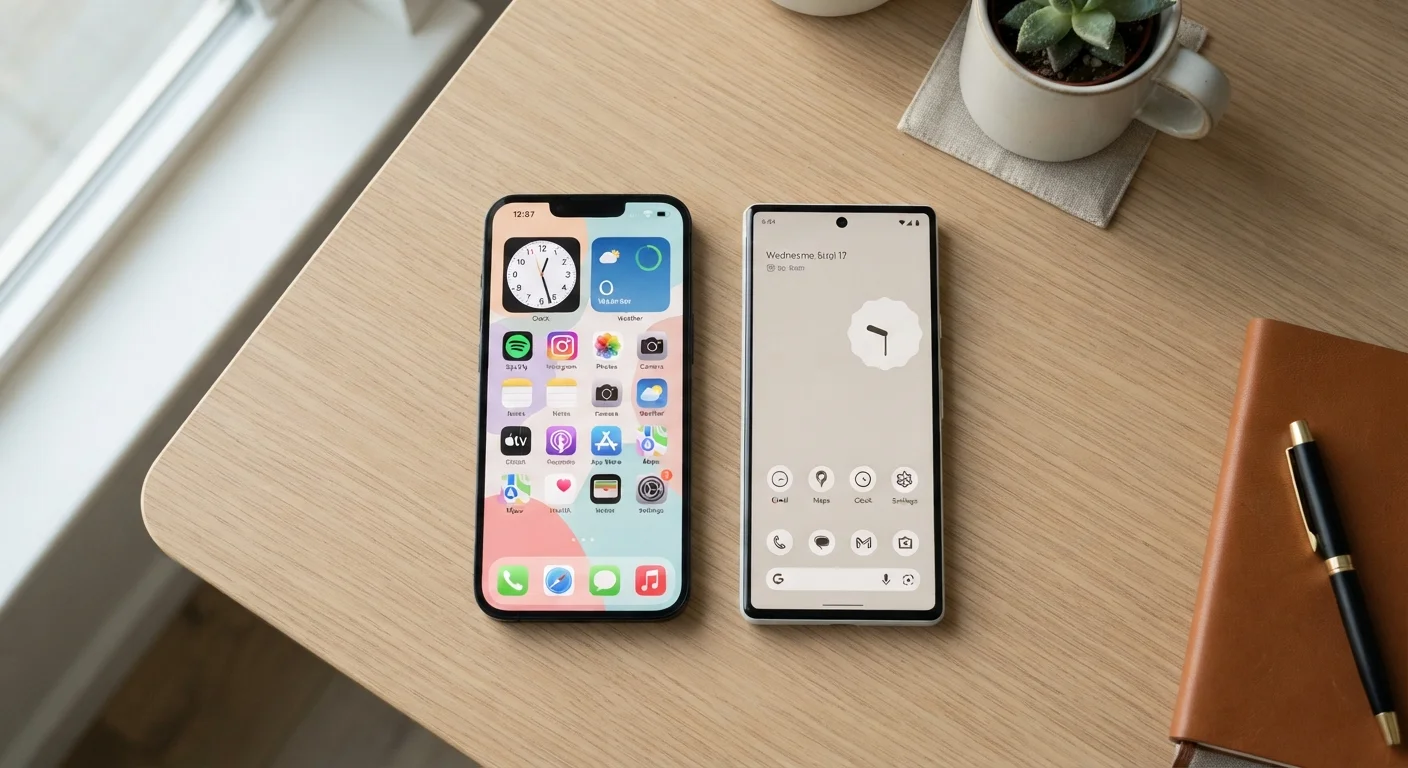
The single fastest way to narrow your platform choice is to look at what phones your household already uses. An all-iPhone family will find HomeKit setup significantly smoother, while Android-primary households will get more out of Google Home or Alexa. Choosing a platform that fights your existing devices adds unnecessary friction from day one.
Matter: The Cross-Platform Standard Changing the Landscape
A newer development worth understanding is Matter, an open connectivity standard backed by all three major platforms along with dozens of device manufacturers. Matter-certified devices are designed to work across Google Home, Alexa, and HomeKit simultaneously, reducing the lock-in that has historically made ecosystem switching so disruptive.
Matter adoption is still growing, and not every device category is yet supported, but the direction is meaningful. If you're building or expanding a smart home now, prioritizing Matter-compatible devices where available gives you more flexibility as the technology matures.
Planning a coherent smart home setup - including how to organize rooms, build reliable routines, and avoid weak points - is covered in detail in the Rooms, Routines, and Reliability guide.
300+
Matter-certified device types available
The Connectivity Standards Alliance reported over 300 Matter-certified product types as the standard gained traction among major manufacturers.
~140M
Alexa-enabled devices sold globally
Amazon has cited more than 100 million Alexa-enabled devices sold as of prior public disclosures, with the installed base continuing to grow.